
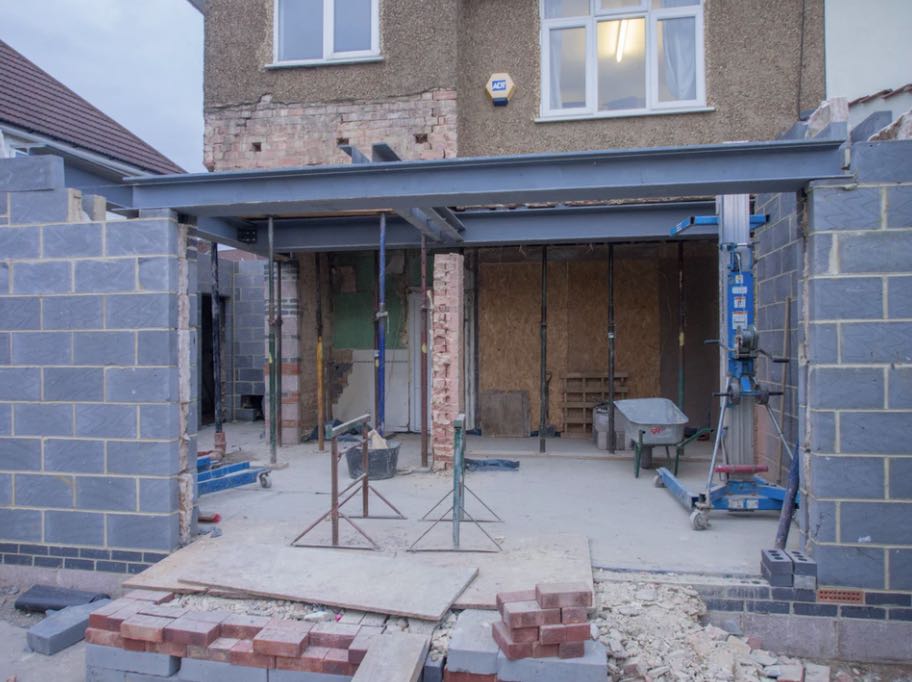
Home addition cost effectiveness is a common question asked by potential customers who are already interested in your home extension services.
This is a very interesting thing to find out. We must carefully evaluate our financial situations because purchasing a home is one of the largest investments most of us will ever make.
But "worth it" can be interpreted in several different ways.
The first concerns the extension's price tag, which can be understood in monetary terms.
The emotional significance of the extension is the focus of our second justification.
Whether you're expecting a baby, already have a household full of teenagers, or want to create the ultimate retreat for leisure, extending your home is a fantastic way to increase the amount of usable space.
Building on to your current house is not only a more economical option than uprooting, but it also increases your home's resale value.
We're here to help you make up your mind about that home addition you've been thinking about building.
We realise that making major renovations or additions to your home represents a significant financial commitment, and that you should be certain of your decision before moving forwards with any plans.
The Economic Impact of a House Addition
Building on to your home should be viewed as an investment with a return date of at least five years in the future.
You should evaluate whether or not it makes financial sense to expand your home if you want to stay there for a long time and property values continue to rise over time.
You'll also have plenty of time to enjoy your new addition to the house.
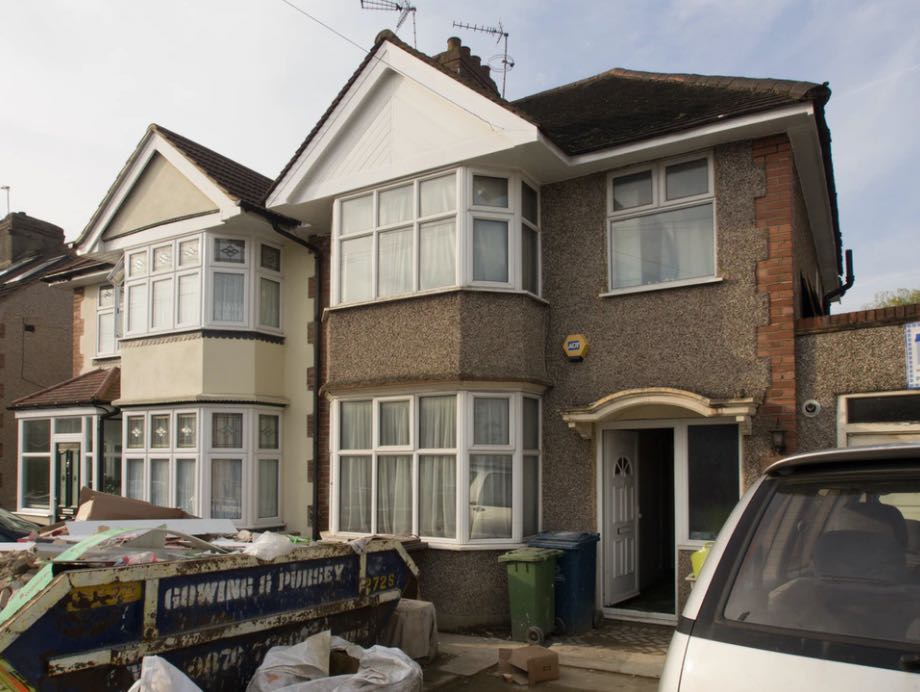
Suppose you do not intend to stay in the same place for the foreseeable future.
In that case, we think it is better to increase your property worth by getting planning clearance for the extension, even if you do not intend actually to build it.
The increase in house value typically outweighs the cost of obtaining planning clearance. Therefore, getting planning approval is seen as a "quick win" comparison to actually completing the extension.
To avoid getting carried away with the idea of increasing your home's value by thousands of pounds by constructing a small addition, it's important to consider the neighbourhood as a whole.
You can use this to keep yourself from acting hastily. To begin, remember that the value of a tract of land is rarely based on a single feature alone.
The fluctuating market value of a property is affected by a wide range of other factors.
The position is set and cannot be changed, for instance. The leasehold status of the house, the size of the rooms, and the condition of both the furnishings are additional important factors to think about.
Adding an extension may help ease some of these concerns, but that doesn't imply they'll go away totally. You should, therefore, carefully examine whether or not an extension is reasonable before beginning your investigation into the possibility of one.
Think about what you have to lose, as this is an essential factor. At first look, building an addition may appear to be a situation in which both parties stand to benefit equally and lose nothing.
However, it is crucial that you decide ahead of time whether or not you will be happy with the loss of a part of the outdoor area, as this is an inevitable consequence of any addition.
If you have to give up some exterior space—be it a patio, a driveway, or even a tiny corner of the garden—to make room for the extension, you should make sure that the loss is smaller than the gain.
This is crucial whether you're giving up a garden, a driveway, or a tiny patch of each.
Look through our list of top-tier Melbourne homebuilders to choose the one who can best realise your dream home.
If you're looking for a high-quality, affordable builder in Melbourne, you're in the right place!
Check MJS Construction Group!
Does It Make Sense To Add On?
The value of a home rises when it is extended because more space is added.
Everyone, it's true, could use a little bit more room to stretch out.
Before you decide that extending your contract is the right course of action, however, you should give some thought to the following questions.
Regionally Appropriate Price Cap
In every market, there exists an upper limit on prices. It is the most money somebody is willing to pay for a house in a certain area, regardless of how much work has been done.
It's not uncommon for homebuyers to actively seek the worst house on the best street.
Few people are interested in purchasing the best property on the worst block.
Therefore, prior to beginning work on the extension of the property, it is vital to ascertain whether or not the price of the home has already exceeded the maximum feasible worth. You can get advice on this from a reliable real estate agent.
Calculating Value Before and After Construction
In most cases, the value of a home will increase once an addition is built upon it.
However, it would be best if you didn't let this be the primary factor in your decision.
Adding an extension to your home is a good idea if you plan on selling it soon, but only if the extra value it provides justifies the cost.
You can receive estimates from neighbourhood specialists on how much the construction will set you back, and then weigh that against the increase in value, you anticipate observing as a result of the work.
The Constructing Complicacy
Consider the extent of the project's complexity when calculating whether or not adding an addition will raise your home's resale price.
For instance, if you want to construct on sloping ground, the extra effort required to install the foundations may make the overall cost of the extension higher than the benefit it gives.
Constructional High-Quality
Make sure the task is done to a high standard by trained professionals if you want to increase the value of your property through construction.
For the electrical work that may be required as part of the addition, for instance, a Part P-certified electrician should be consulted. Doing so will guarantee that the work is done in accordance with the current building codes.
If the addition was poorly built or didn't meet the code, the value of the home could go down instead of up. This is because any prospective buyers will have to factor in the cost of fixing the extension's defects.
Discomfort and Anxiety
Due to the extensive nature of the renovations, it is inevitable that residents will experience some inconvenience during the process.
You should be sure that the amount of money you stand to gain from your property's higher value justifies the amount of time and effort you will have to put up with the renovations.
Budgetary Expenses
If you cannot afford to pay for the addition out of pocket, you should be careful that the interest you pay on a loan does not outweigh the value you add to your property.
Favourable Additions That Raise Property Value
After weighing the pros and drawbacks, you may decide that adding an extension to your home is the best course of action; in this case, you'll need to choose the type of addition that works best for you.
Several factors come into play here, including the type of property your own, but then in general, the following renovations and additions tend to increase a home's resale price the most:
The Conversion of a Loft
Partially due to being one of the least expensive ways to add additional space to a property, and also because it's among the methods that cause the least damage to the existing layout, this type of extension is among the most popular.
Converting the loft usually allows for the addition of an additional bedroom and sometimes even a new bathroom. It is estimated that the added value to your home from turning your attic into a habitable space will be roughly 12.5%.
Expansion, Either Single or Two-Story
As they may easily be integrated into preexisting spaces like kitchens and living rooms, single-story extensions are a common alternative for increasing a home's usable square footage.
If you want to maximise your return on investment, you should consider constructing a two-storey extension so that you might add more beds or make way for an extra bathroom.
Building a two-story extension onto your home might raise its value as much as 11 per cent.
Conservatory
The British climate is notoriously fickle. Therefore, a conservatory is an essential component of any design that incorporates a garden and hopes to be used throughout the year.
They can increase the value of your home by five to seven per cent, are easy to install, and are relatively inexpensive. Planning to build a home? MJS Construction Group brings your building project alive!
Conversion of a Garage
Most homes only have room for one car, and that makes it difficult to park in a garage. Because of this, the vast majority of people utilise them as a means of discarding unwanted items.
Given the high cost of real estate these days, it may make sense to convert your garage into a habitable area, especially if it is already part of the house.
Keeping some of it as storage is a good idea if you're worried about running out of room to place things.
Adding a bedroom and bathroom to your property through the conversion of a garage can improve its value by up to as twenty per cent. Converting it into a study or playroom may increase the value of your home by as much as 10%.
Do You Need More Space in Your Home?
Careful deliberation and extensive planning are needed to guarantee that you will be able to appreciate your freshly renovated living space once construction work has been completed on your home.
When planning a house addition, it's crucial to think about not only whether or not there's enough room for the addition but also what role the additional area will serve.
To help you decide whether or not this is the best course of action for you, we have delved deeper into the following five advantages of a house addition:
As an alternative to Relocating
As the price of housing has increased by as much as 4 per cent over the last year, many people are looking for less expensive alternatives to moving.
In order to remedy the shortage of living space that typically prompts families to look for new dwellings, an increasing number of them are opting to have their current homes expanded rather than moving to larger properties.
This will unquestionably save you a tonne of money as well as spare you the hassle of searching for, packing up, and moving into a new home. Instead, you'll have to wait a few months while construction is done on your property, and then you can move into a brand-new, spacious home.
You may have saved a tonne of cash that can now be used for finishing touches on your extension's interior.
Assuming you and your family have roots in the area, it may be more cost-effective to add on to your home rather than uproot and move elsewhere if your family is expanding.
The upcoming shift to new daycares, elementary schools, secondary schools, and universities may cause significant worry and anxiety for younger family members.
By continuing their schooling in the same place as their peers, kids can escape the upheaval of starting anew and focus on getting ahead without having to make any major adjustments.
You should modify the plan to fit the requirements of your household
With the help of a professional building firm, you can customise every detail of your home addition to suit your family's needs and aesthetic preferences.
The bespoke service permits you to have your conservatory designed according to your exact specifications, from the windows and doors to the overall layout.
If you live in Woburn Sands or the nearby area and want to add to your home, you'll be paired with a seasoned architect who will work with you to realise your dreams.
Architectural drawings are ideal for giving you a realistic preview of the completed product of a house addition. Additionally, before the building begins, you have the chance to make any design changes that you feel are required to ensure your satisfaction with the final product.
It's imperative that you choose the top home builders in Melbourne. At MJS Construction Group, we have a wide variety of the best home design constructions for you to look at.
Consent from the Planning Department is not always required
One of the numerous benefits of a home addition is that you usually do not need to apply for planning permission in order to expand your property.
Most home extensions fall under the category of "permitted development," which grants property owners the freedom to make changes to their land without the need for special permits from local zoning or planning agencies.
Except for individuals who live in "designated areas," most homeowners should never have to worry about planning approval difficulties.
Building on your property may be difficult if you reside in a conservation area, national park, or another government-protected area.
However, if you don't fall into any of those groups, you can still add on to your home as long as it meets the following requirements:
- The new structure will not consume more than 50 per cent of the land.
- The new structure's peak is kept below the existing roof's peak.
- Unlike some other extensions, this one keeps its eaves at the same level as the original building.
- The new section does not extend in front of the original structure's main facade or, if that facade is facing a street, the side facade.
- A balcony, veranda, or elevated platform is not a part of the addition.
- The current roof has not been changed in any way.
- The addition does not have a chimney, flue, or vent pipe.
- There is no satellite dish or other type of microwave antenna installed in addition.
Allows for More Room to Live in
One of the most sought-after advantages of home additions is the ability to quickly provide more living space for the family. As was mentioned before, if you are starting to outgrow your home but would rather not uproot your family & move to a new place, a house extension is the right answer.
Your family's needs should be the key element in making the final decision as you consider the many potential uses for your new home.
Have you started working from home recently and realised you need an office? What do you think about building a playground for the kids in the house?
Do you need a space designed to accommodate guests? Because of this limitless flexibility, you can design your new space as a bedroom, bathroom, office, or anything else you like.
You might even incorporate your latest member into the existing house plan to make a spacious open-concept living room. This is a great choice for people who like one room to serve as both the kitchen and the dining and living areas.
The open-plan living concept has been gaining popularity as a form of interior design since it encourages family members to spend some time together rather than retreat to their own spaces.
While it is the homeowner's prerogative to use the additional space in whatever way they see suitable, we suggest keeping the room's essentials basic and unadorned so that it will be utilised for a variety of functions in the future. If you maintain the walls, flooring, & ceilings in your extra simple and basic colour palette, you may easily change the room's use without a complete remodel.
Instead, you'll have a blank slate that may be filled in. However, you choose with the furniture, decorations, and other finishing touches of your choice to express your notion. If you want to make a small room look bigger, using a neutral colour palette is your best bet.
Lighter colours, as opposed to darker ones, are better at bouncing about a room's lighting sources (both natural and artificial). Check this list of Melbourne builder services to help you make an informed decision for your treatment.
The Value of Do-It-Yourself Home Additions
When it comes to house additions, BIY is a convenient one-stop shop for homeowners because we handle every aspect, from initial design and planning to building and furnishing.
All the visits to different specialists, such as lawyers, builders, planning offices, and architects, that add up throughout a house addition are coordinated and streamlined.
We are able to pass on substantial savings to our clients because we work on this nonstop. Therefore, there is no better option than an Irish home expansion.
Keep in mind that we build extensions for many different purposes; nonetheless, one of our main top objectives is always to maximise the property's value when the new addition has been built.
FAQs About Adding An Extension
Is It Better To Extend? Generally, extending your home will be a cost-effective investment that will pay back on itself when you eventually sell – but not always. The location and demand of your property will usually guarantee that your extension will add value to your home when it comes to selling.
Build Costs Vs Value Gain
In most cases, adding an extension will increase the value of a property. However, that isn't the only consideration you should make. If you plan on selling your property shortly, the cost of creating an extension must be less than the value you'll gain from doing so.
For a full planning application, you will need professional architecture drawings so that the answer would be Yes. Although Permitted Development applications require a sketch and letter of intent, an architecture drawing is better because, from a sketch, your builder could go over by 5cm, thus risking enforcement.
It will be stressful. It will possibly exceed your projections in terms of time and money. But you will be rewarded with a home sculpted to the requirements of your family where everyone's needs are met. And you will forget the trauma you experienced along the way.
A few things that can go wrong are severe hair damage, your hair extensions becoming too visible, or your hair extensions falling out prematurely because the application process wasn't correct. Your natural hair can be easily damaged from the incorrect application or the application being done poorly.
Conclusion
Interested parties frequently enquire as to the value of our home additions. Both the monetary cost and the emotional weight of the addition are relevant considerations.
Extending your current home is less expensive than moving, and it also raises your home's resale value.
Large-scale home improvement projects, however, require a sizable outlay of cash and should be treated as investments with a payback period of at least five years.
Even if you don't plan on staying in the house for the foreseeable future, it's still a good idea to get planning approval for the extension so that you can maximise its value.
It's important to think about the area as a whole before getting carried away with the prospect of increasing your home's value by several thousand pounds. Think about the house's leasehold status, room sizes, and the quality of the furnishings.
Finally, think about the costs, such as the reduction in usable outdoor space, and make sure they are less than the benefits. Finally, after researching the best homebuilders in Melbourne, select the one who can bring your vision to life.
Content Summary
- Home addition cost-effectiveness is a common question asked by potential customers who are already interested in your home extension services.
- This is a very interesting thing to find out.
- We must carefully evaluate our financial situations because purchasing a home is one of the largest investments most of us will ever make.
- The first concerns the extension's price tag, which can be understood in monetary terms.
- The emotional significance of the extension is the focus of our second justification.
- Whether you're expecting a baby, already have a household full of teenagers, or simply want to create the ultimate retreat for leisure, extending your home is a fantastic way to increase the amount of usable space.
- Building on to your current house is not only a more economical option than uprooting, but it also increases your home's resale value.
- We're here to help you make up your mind about that home addition you've been thinking about building.
- We realise that making major renovations or additions to your home represents a significant financial commitment and that you should be certain of your decision before moving forwards with any plans.
- Building on to your home should be viewed as an investment with a return date of at least five years in the future.
- You should evaluate whether or not it makes financial sense to expand your home if you want to stay there for a long time and property values continue to rise over time.
- You'll also have plenty of time to enjoy your new addition to the house.
- If you do not intend to stay in the same place for the foreseeable future, we think it is better to increase your property worth by getting planning clearance for the extension, even if you do not intend to actually build it.
- The cost of obtaining planning clearance is typically outweighed by the increase in house value.
- Therefore, getting planning approval is seen as a "quick win" comparison to actually completing the extension.
- To avoid getting carried away with the idea of increasing your home's value by thousands of pounds by constructing a small addition, it's important to consider the neighbourhood as a whole.
- The fluctuating market value of a property is affected by a wide range of other factors.
- The leasehold status of the house, the size of the rooms, and the condition of both the furnishings are additional important factors to think about.
- You should, therefore, carefully examine whether or not an extension is reasonable before beginning your investigation into the possibility of one.
- Think about what you have to lose, as this is an essential factor.
- It is crucial that you decide ahead of time whether or not you will be happy with the loss of a part of the outdoor area, as this is an inevitable consequence of any addition.
- If you have to give up some exterior space—be it a patio, a driveway, or even a tiny corner of the garden—to make room for the extension, you should make sure that the loss is smaller than the gain.
- This is crucial whether you're giving up a garden, a driveway, or a tiny patch of each.



