
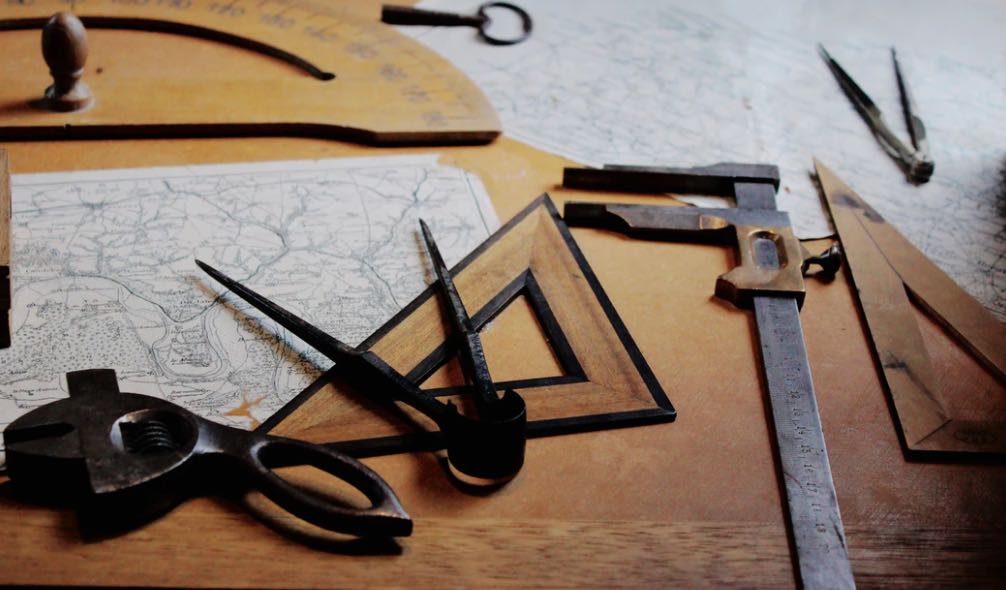
A drafter also called a "draughtsman," is someone who creates blueprints and technical requirements for building projects.
It is highly possible that a drafter, architect, and building designer will be needed to submit plans for approval to the local council if you intend to build a new home or make significant alterations to an existing one that requires a building permit.
In most cases, employing a draftsperson will be more expensive than working with an architect, but how much can you expect to pay for their services?
Which Company Can Make Your Home Plans?
An architect is the first person we think of when we need to hire somebody to design a building.
There are a number of other options in town besides them if you need house plans drawn out.
Drafters and building designers are equally qualified, while drafters tend to be more at home with smaller projects.
Your ability to design draught house plans that can be utilised as a foundation for subsequent building and presented towards the local government for approval is a skill shared by all of them.
The draftsman's mind is like a sponge, soaking in ideas from the hundreds of plans they've already made. The skills of architects are often advertised by drafters who take a more creative approach.
Exactly What Is It That a Drafter Does?
House plans, expansions, and granny flats are just some of the many things that drafters sketch to scale. They are also known as "architectural drafters" in some circles.
Drafters are often the unseen backbone of the architectural industry, filling in the finer elements of architects' ideas.
Many drafters also choose to be self-employed; those who do so often provide preliminary and final designs to individual clients and construction companies.
Architects are qualified to oversee and direct construction projects since they have completed the necessary education and training at the highest level.
The primary difference among drafters, architectural designers, or architects is that architects possess legal authority to supervise construction projects and have received more formal education in the field.
Architects and draftspeople lack this authority.
They also tend to have more education, having finished between seven and nine years of college and having postgraduate experience.
As a result, they have an extensive toolkit of specialised skills, including a firm grasp of design fundamentals. Check this list of Melbourne builder services to help you make an informed decision for your treatment.
Bureaucratic Obstacles to Construction
After you've finished designing your home, you'll need to submit your plans to the city for approval.
A Development Application may also be needed in addition to a Construction Certificate, depending on the specifics of your project.
Once they are approved, you can formally move forwards with construction and invite suppliers to apply bids for your project.
It's important to remember that the council approval process exists to protect people's property rights and the public at large.
Because the time it takes to get clearance from one council to the next might range from 30 to 100 days, you may have to be patient.
To ensure that your application is processed as quickly as possible, it is important that you include all of the required information and documentation in your original entry.
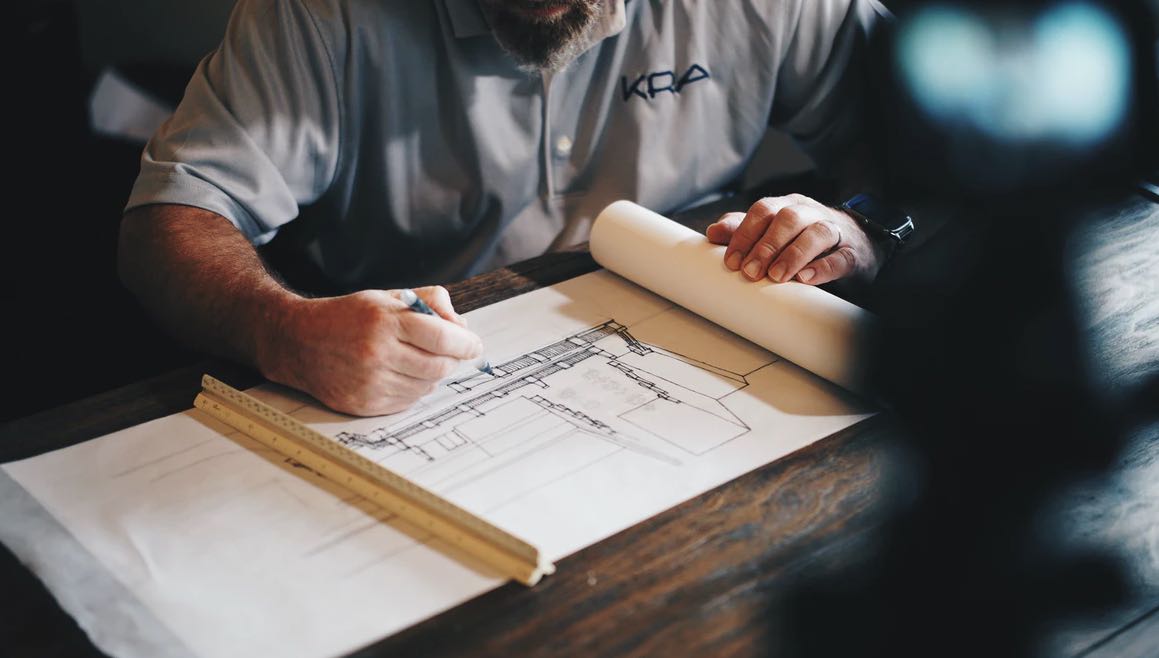
Normal Costs of Hiring an Architect
A licenced architect is a design professional with extensive training and experience.
Architects who have their work stamped by the appropriate authorities have demonstrated an eye for aesthetics and a commitment to the public's health, security, or welfare.
Because of the higher expectations placed on them by law, individuals must take full responsibility for their actions.
They consider various aspects, including zoning and code rules, characteristics of the site, land conservation, environmental challenges, and cost statistics, as they translate your requirements for the project, dreams, and ideas into a unified design.
They are also thinking about your hopes, wishes, and requirements for the project. In their client-centred role, they aid you in making informed decisions about things like comparing bids and selecting a contractor.
They can even act as your project manager!
Licensed architects have greater expertise in designing, are more likely to be held accountable for their work, and can perform more work for you and with you, thus, their fees reflect these factors.
Fees for full architecture and design services a licenced architect provides account typically for between 8 and 20 per cent of the project's overall budget.
A multitude of elements, a few of which have been mentioned above, combine to form this number.
Comprehensive design services include pre-design research, design, permits, permitting, bidding and negotiating, and construction observation.
When you hire an architect to help you with more tasks, you can expect to pay more for the design.
Here is an illustration of the kind of costs you might anticipate when commissioning a custom house design:
Complete architectural design services from a licenced architect may cost more than $30,000.
Large or large projects that need extensive planning, detailing, and care will incur significantly higher rates as a result.
Architects' fees might be based on an hourly rate, a flat rate, a percentage of an entire building cost, or some mix of these three.
The hourly rate of an architect can range from $80 to $250, depending on factors such as their level of experience, repute, or business strategy.
Architects can still help you out, even if you only need a subset of the full range of services they offer for your design needs.
They could be useful in the project's early stages when you're just starting to think about how everything will go together.
Also, they might help you figure out how to get the necessary permissions or tweak your floor layout.
Hourly rates or perhaps a flat cost are commonly used to display pricing for these types of less crucial services.
Costs Associated with Hiring an Architect to Design a Building
On the other side, architects are licenced design experts, whereas architectural designers are not.
The ability to provide a set of stamped papers is sometimes required by different construction authorities n order to receive a building permit, and this remains the primary distinction among architects and designers.
However, architects have this ability.
At every tier of the architectural design profession, the requirements for education, experience, and competence vary widely from designer to designer.
Some have all the practical and creative skills of architects, but their prices are lower since they are not required to carry as much liability insurance or a full set of licences.
Depending on the scope of the project, an architect may charge anywhere from $75 to $150 per hour, or between five and fifteen per cent of the entire building cost, in design fees.
Again, pricing varies greatly by region and reputation, but in general, you should expect to pay far less than you would for a professional architect's services. Still, interior designers can set their own rates, and some have asked for as much as $300 per hour.
Since a designer cannot provide the same level of assistance with all design services as an architect can, the overall price of design charges will be cheaper.
Custom home planning and documentation services are estimated to cost between $15,000 and $20,000.
Common Costs of Hiring a Draftsman
Draftspeople can take on the part of the responsibilities of architects and designers, but not all. Construction drawings, they are experts in both the art of drafting and the usage of CAAD software. Commonly, they don't provide a wide range of design options.
Prices for draftspeople often range from $50 per hr to 3 per cent to 10 per cent of the entire project cost. When compared to the rates charged by architects and designers, their services are more pocket-friendly.
For less extensive home improvements or additions, expect to pay between $1,000 and $2,000. Adding $2,000 to $6,000 to the total cost is reasonable for projects of this scale, including whole home makeovers.
You should also include an extra $1,000-$3,000 to have your drawings inspected and stamped by an accredited architect if that is a requirement.
If you don't want to spend money on an architect, designer, or builder to have the house plans you want, there are other options.
The two most common approaches are working directly with a builder or using a stock plan.
When building a new home, you can choose between working with a production home builder or a custom home builder (also known as a high-volume builder).
Considering a new project? Then MJS Construction Group builders Melbourne is the answer.
The Use of a Designer/Architect and a Custom Builder
Let's pretend you're working with a firm that focuses on building one-of-a-kind houses.
One can choose to work on the house's design with an architect or designer separately or as part of a design-build project with the builder.
If you hire a professional architect or designer on your own, you'll have the freedom to work with anyone you like best on the design for your home.
The design costs are equivalent to those discussed in the preceding sections, depending on the type of design specialist they hire.
Leveraging a Mass-Production Homebuilder's in-House Design Staff
A production builder will likely have designers on hand for their homes, whether they are in-house employees or outside consultants.
You may anticipate collaborating with these creatives.
This is not a situation where you would like to have free reign over who the designer is.
In most cases, the fee for their engineering services is rolled into the final tally for the home construction project.
Most mass-market homebuilders keep a stockpile of pre-drawn house designs, reducing the amount of time spent on design. Rather, once you arrive at their design centre, all you'll have to do is choose the finishes.
There may be a line item in the contract for $300-$500 for the design and construction right to your chosen floor plan if you decide to use a pre-drawn layout.
But if you want to put your own stamp on the floor plan by making a few tweaks here and there, you'll have to pay either an hourly rate for the drafting work or a flat rate, depending on the firm and the extent of changes you want to be made.
The cost of renovations might run you an extra $1,000-$4,000, depending on the work's scale and the home's size.
Stock Plan Costs
Stock home designs, which can be bought from a book or online, often include a huge number of different ready-to-build house plans.
Depending on the buyer's needs (specific drawings, files, etc.), the cost of a stock home design might vary from $750 to $2,000. You should know this if you decide to purchase a prefabricated house plan.
Prices for modified versions of the design vary and are often based on the rate per hour charged by the designer who will be reviewing, redoing, and implementing your suggestions.
The price could increase by a few thousand dollars, maybe even four thousand, if the home is large and the improvements are extensive.
DIY Design Drawings: What It Will Cost You
Finally, you may always go the DIY route and come up with plans for your new house on your own.
If you possess the knowledge, skills, and confidence to handle the job on your own, you can save a lot of money.
However, a significant amount of time and energy would be required to complete it.
Professional residential designers may charge hefty rates because of the time and effort required to complete a high-quality design.
If you find you have the time, have you thought of making the design yourself?
Do you believe in yourself enough to make a decision as important as picking out your future residence? Can you deal with disappointment if the outcome doesn't go as planned?
Cost of a Draftsman
Most homeowners report paying anything from $828 to $2,697 for a drafter.
Project costs are difficult to estimate since they depend on so many variables.
As opposed to constructing a brand new home or business building from the ground up, adding on to an existing structure is a far easier and quicker project.
There is typically a large pricing gap between urban and rural areas. It is very uncommon for metropolitan centres to have homicide rates that are two to three times greater than those in more rural or suburban areas.
Whether they go on to become draftspeople, engineers, or architects, all three professions require formal education in the many drafting methods currently in use.
Hourly Rates for a Drafting Service
Average hourly rates for such assistance often run between $80 and $130. On average, it takes between 10 to 13 hours to complete a project, but it might take much longer if it's particularly complex or has significant financial implications.
Pricing for Each Square Inch of Drafting
Prices vary from $0.40 to $3 per square foot, with the latter being the norm for larger areas. Architects typically charge between $1.25 and $5 for square feet for their services; however, some charge as much as $10.
Costs of Independent Drafting Services
The typical hourly rate is between $50 and $150, but this might be significantly more or less depending on the freelancer's location and level of experience. Many freelancers charge by the project, with the average cost being roughly $1,750.
Fees for Architectural Services vs. Those of Draftsmen
When compared to architects' rates of $80 to $200 per hour, drafters' rates are significantly lower, ranging from $50 to $130.
Ultimately, hiring an architect will set you back over twice quite so much, or over $5,000 on average. They are best suited for complex, large-scale projects like commercial structures.
In addition to their main architectural duties, many also have formal education in drafting and take on routine chores like drawing up floor plans for single-family homes.
Creating Your Own vs. Having a Professional Do It For You
The simplest step is to have an expert like an engineer, draughtsman, or architect look at your plan. What would take you a few weeks, or even months, they can finish in just ten hours.
If you want to avoid wasting time, choose a local drafter right away.
Accessible software for producing blueprints has made it possible for anybody to create their own home designs.
You will, however, need to invest in AutoCAD or a related programme and devote many hours to learning how to use it and the relevant construction codes.
Pricing for Detailed Floor Plans
Creating a floor plan can be done in a number of different programmes, some of which are free or cost very little money. You can find floor planning programmes for as little as $25 and as much as $75.
These programmes only offer a flat, two-dimensional perspective of a single floor.
They are a great place to begin when trying to explain your thoughts to an expert.
When working with such a draftsperson or even a contractor to put out the final technical drawings, it is helpful to have a visual representation of your thoughts. Because of this, everything will run more smoothly.
This software is not equivalent to professional CAD programmes.
Because they are not technical architecture drawings, they should not be utilised in place of blueprints.
They are used for planning parties, arranging furnishings, and even doodling out initial design concepts.
When to Hire an Architect and Why
It is not always necessary to hire an architect to complete a project. Involvement of an architect may be required if you answer "yes" to any of the following enquiries:
- Do you require architectural plans for a business venture? The availability of blueprints and designs is usually a prerequisite when trying to secure finance for commercial ventures.
- To what extent does your project necessitate a licence? The issuing authority requires a plan before issuing a permit.
- In need of some interior design assistance? Whether you know exactly what you want, or aren't sure until you see it, the architect's blueprints will accommodate it.
- Do you need an architect's approval for certain parts of your project? Your local government may well require a seal or stamp from a registered architect.
- Is the scope of the project going to go beyond a standard renovation or addition?
- Any unique architectural features like rooftop decks, several hearths, or balconies? An architect's touch might be needed on certain design aspects for aesthetics, on others for functionality, and on still others for both. Architecture is the art of blending form with function.
- Do you require more than an engineer and draftsperson for your renovation? Normal renovations and additions typically don't necessitate the services of an architect. If you want to "raise the roof" by adding a new level to your home, a new wing, or a new home altogether, however, you'll need the expertise of an architect or engineer. This article will help you make a decision about home building construction. Here at MJS Construction Group, we’re committed.
FAQs About Draft House Plans
Rates start at $50 and go as high as $130 per hour for a draftsperson to draw up blueprints or a house plan. Plans for a three-bedroom house require at least 10 hours to complete and typically cost anywhere from $500 to $2,000.
Custom home plans are generally more expensive since they require you to pay a designer for the time needed to create a unique set of blueprints. If you're looking for affordable house plans, it's best to buy a set that has already been created. Stock home plans aren't necessarily plain or boring.
ESTIMATE 80 to 120 actual work hours per average 2500 square foot custom home.
Some companies do offer that service, so they'll get the drawings and put them in for planning permission if it's required for you, but the majority of the time, you'd do this yourself, then once you've got them in place, your builder can use the drawings/plans you've provided to price the job.
Yes, you most certainly can draw your plans of Planning Permission. In fact, by doing that, you will save yourself the time of explaining your plans to a Consultant, and you do not have to rely on them either. Drawing a plan for Planning Permission will add value to your land as well.
Conclusion
A drafter, also known as a "draughtsman," is a professional who develops the plans and specifications needed to construct a building.
Submitting plans for approval to the local council will likely necessitate the services of a draftsperson, architect, and building designer.
Because of their extensive training and education, architects are uniquely suited to manage and steer building projects.
When you're done with the blueprints for your new house, it's time to send them to the local building department for inspection.
Even if you have a Construction Permit or Certificate, you may also need a Development Application.
Licensed architects can do more for you, have more experience, and are more likely to be held accountable for their work.
Architectural fees from a licenced professional typically range from 8% to 20% of the total project cost.
Professional draftspeople are well-versed in both traditional drafting techniques and CAAD software.
Prices will be based on the designer's hourly rate for iterating on your feedback and making any necessary changes.
Blueprints are not the same thing as technical architecture drawings, so you shouldn't use them in their place.
They are employed in the preparation of social gatherings, the arrangement of furniture, and the doodling of preliminary design concepts. If you respond "yes" to any of the following questions, you may want to consult an architect.
Content Summary
- A drafter also called a "draughtsman," is someone who creates blueprints and technical requirements for building projects.
- It is highly possible that a drafter, architect, and building designer will be needed to submit plans for approval to the local council if you intend to build a new home or make significant alterations to an existing one that requires a building permit.
- An architect is the first person we think of when hiring somebody to design a building.
- There are a number of other options in town besides them if you need house plans drawn out.
- Drafters and building designers are equally qualified, while drafters tend to be more at home with smaller projects.
- The draftsman's mind is like a sponge, soaking in ideas from the hundreds of plans they've already made.
- The skills of architects are often advertised by drafters who take a more creative approach.
- House plans, expansions, and granny flats are just some of the many things that drafters sketch to scale.
- They are also known as "architectural drafters" in some circles.
- Drafters are often the unseen backbone of the architectural industry, filling in the finer elements of architects' ideas.
- Many drafters also choose to be self-employed; those who do so often provide preliminary and final designs to individual clients and construction companies.
- Architects are qualified to oversee and direct construction projects since they have completed the necessary education and training at the highest level.
- The primary difference among drafters, architectural designers, or architects is that architects possess the legal authority to supervise construction projects and have received more formal education in the field.
- Architects and draftspeople lack this authority.
- As a result, they have an extensive toolkit of specialised skills, including a firm grasp of design fundamentals.
- After you've finished designing your home, you'll need to submit your plans to the city for approval.
- Once they are approved, you can formally move forwards with construction and invite suppliers to apply bids for your project.
- It's important to remember that the council approval process exists to protect people's property rights and the public at large.
- To ensure that your application is processed as quickly as possible, it is important that you include all of the required information and documentation in your original entry.
- A licenced architect is a design professional with extensive training and experience.
- They are also thinking about your hopes, wishes, and requirements for the project.
- Licensed architects have greater expertise in designing, are more likely to be held accountable for their work, and can perform more work for you and with you, thus, their fees reflect these factors.
- When you hire an architect to help you with more tasks, you can expect to pay more for the design.
- Architects' fees might be based on an hourly rate, a flat rate, a percentage of an entire building cost, or some mix of these three.
- The hourly rate of an architect can range from $80 to $250, depending on factors such as their level of experience, repute, or business strategy.
- Architects can still help you out, even if you only need a subset of the full range of services they offer for your design needs.
- Also, they might help you figure out how to get the necessary permissions or tweak your floor layout.
- Hourly rates or perhaps a flat cost are commonly used to display pricing for these types of less crucial services.
- The ability to provide a set of stamped papers is sometimes required by different construction authorities n order to receive a building permit, and this remains the primary distinction among architects and designers.
- However, architects have this ability.
- At every tier of the architectural design profession, the requirements for education, experience, and competence vary widely from designer to designer.
- Some have all the practical and creative skills of architects, but their prices are lower since they are not required to carry as much liability insurance or a full set of licences.
- Depending on the scope of the project, an architect may charge anywhere from $75 to $150 per hour, or between five and fifteen per cent of the entire building cost, in design fees.
- Again, pricing varies greatly by region and reputation, but then, in general, you should expect to pay far less than you would for a professional architect's services.
- Since a designer cannot provide the same level of assistance with all design services as an architect can, the overall price of design charges will be cheaper.
- Construction drawings are experts in both the art of drafting and using CAAD software.
- Commonly, they don't provide a wide range of design options.
- Prices for draftspeople often range from $50 per hr to 3 per cent to 10 per cent of the entire project cost.
- When compared to the rates charged by architects and designers, their services are more pocket-friendly.
- If you don't want to spend money on an architect, designer, or builder to have the house plans you want, there are other options.
- The two most common approaches are to either work directly with a builder or use a stock plan.
- When having a new home built, you can choose between working with a production home builder or a custom home builder (also known as a high-volume builder).
- One can choose to work on the house's design with an architect or designer separately, or as part of a design-build project with the builder.
- If you hire a professional architect or designer on your own, you'll have the freedom to work with anyone you like best on the design for your home.
- In most cases, the fee for their engineering services is rolled into the final tally for the home construction project.
- Most mass-market homebuilders keep a stockpile of pre-drawn house designs, reducing the amount of time spent on design.
- But if you want to put your own stamp on the floor plan by making a few tweaks here and there, you'll have to pay either an hourly rate for the drafting work or a flat rate, depending on the firm and the extent of changes you want to be made.
- You should know this if you decide to purchase a prefabricated house plan.
- If you possess the knowledge, skills, and confidence to handle the job on your own, you can save a lot of money.
- Professional residential designers may charge hefty rates because of the time and effort required to complete a high-quality design.
- There is typically a large pricing gap between urban and rural areas.
- They are best suited for complex, large-scale projects like commercial structures.
- In addition to their main architectural duties, many also have formal education in drafting and take on routine chores like drawing up floor plans for single-family homes.
- If you want to avoid wasting time, choose a local drafter right away.
- Because they are not technical architecture drawings, they should not be utilised in place of blueprints.
- They are used for planning parties, arranging furnishings, and even doodling out initial design concepts.
- Normal renovations and additions typically don't necessitate the services of an architect.
- If you want to "raise the roof" by adding a new level to your home, a new wing, or a new home altogether, however, you'll need the expertise of an architect or engineer.



