
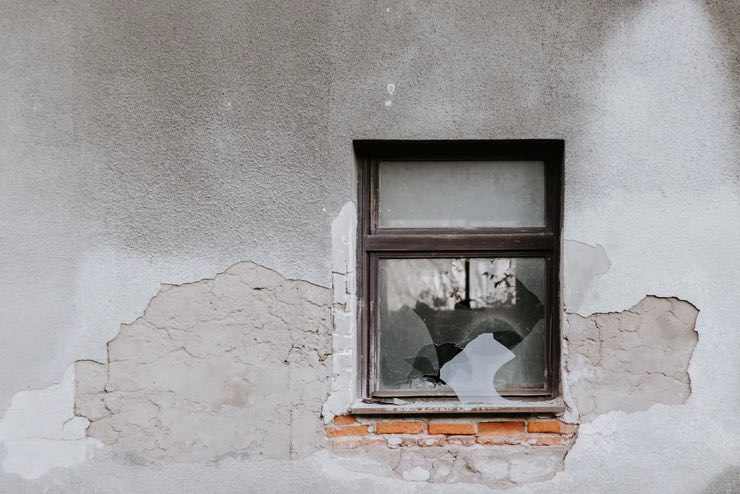
There are a variety of things that might cause shifts in property values.
Historically, a healthy housing market is characterised by rising property values, which are determined by the state of the local economy, the number of jobs, the accessibility of mortgage funds, the level of improvement in the surrounding community, and the quality of the home itself.
The same calculations are done when they go down, and a decline in property values is a reflection of a melancholy state because it causes values to fall.
The market is skewed in addition by additional reasons for dropping values.
There are some influences that you have some control over. Others choose to have their governments take corrective action.
You need to constantly understand the worth of your property if you want to be a knowledgeable property investor.
The price of an item on the market may fall due to a number of factors.
Certain aspects of this, like the occurrence of natural disasters, are beyond your ability to influence.
The following are three factors that could lower the value of your house.
The Economy
When there are not enough jobs in an area and layoffs occur and homeownership is put in peril, property prices decline.
As one problem leads to another, fewer individuals are able to afford to buy homes.
The owners reduce their rates in order to remain competitive in the smaller market.
Values are skewed downward as a result of the increasing prevalence of short sales and foreclosures relative to transactions on the fair market.
As a buyer's market develops, sellers respond by lowering their prices in order to remain competitive.
Environment
A methane leak from a landfill, the discovery of a cancer cluster in the area, or the construction of a power plant all contribute to a fall in housing prices.
Research conducted by the University of California at Berkeley found that the installation of a power plant within two miles of a residence resulted in a decrease in the property's value of between four and seven percent.
A report by the office of the assessor in Pima County, Arizona, found that a home loses between 6% and 10% of its value if it is located in close proximity to a landfill.
This was one of the factors that led to the report's findings. A property's value might drop by as much as 15% when it is located near a hazardous waste facility.
Maintenance
Suppose your residence is not located within a controlled community, such as one that is governed by a homeowner's association or planned unit development. In that case, your neighbours are not required to adhere to any particular standards for the upkeep of their property.
Your front lawn might be immaculate, but the front lawns of your neighbours might be cluttered with trash, broken-down cars, motor homes, boats, or other unsightly vehicles that are parked in an unkempt manner.
Your neighbours might also have dogs that are always barking behind a chain-link fence. Your home's value will almost certainly decrease as a result of this.
Lots of Foreclosures in the Area
A prosperous neighbourhood is not one in which you would anticipate to find homes that have been boarded up and signs up in the yard suggesting that a power of sale is taking place.
However, if this is the case on your street, it not only gives a negative impression of the neighbourhood as a whole but also has the potential to bring the value of your property down with it.
Check this list of Melbourne builder services to help you make an informed decision for your treatment.
Suppose there are several properties in your neighbourhood that are in danger of going into foreclosure. In that case, unfortunately, this could have a detrimental impact on the fair market value of your own house.
Your home's value on the open market will decrease if there is an abundance of other properties in your neighbourhood that are either in the process of foreclosure or are offered as short sales.
Buyers have the option of purchasing properties in the neighbourhood for a lesser price.
In order to be competitive in this market, you will need to demonstrate that the additional money required to purchase your home will be money well spent by demonstrating that you have made improvements, maintained the grounds, painted the exterior, repaired all defects, and presented a quality home.
It is critical to make the best choice possible while constructing a duplex. At Hitch Property Constructions, we have a wide selection of the most best house design constructions for you to look at.
Bad Schools
Parents will go to considerable efforts to ensure that their children have a good education, and they are willing to shell out significant sums of money to purchase a home in an area that is known for its excellent educational opportunities.
The average price of a property in an area with highly regarded educational institutions is significantly higher than the average price of a home in an area with lower-rated educational institutions.
It is possible that potential buyers could be put off by the reputation of the schools in the neighbourhood, which will result in a decrease in the value of your home.
Minimal Amenities
When purchasing a property, prospective purchasers frequently search for convenience, which means they prefer to see nearby amenities that can be reached in a short amount of time via walking or driving.
However, the absence of such amenities might have a negative impact on property values, or at the very least make it more challenging to locate potential purchasers who are prepared to pay a higher price to live in the area.
A number of factors, including poor quality schools and shopping centres, a lack of access to medical care, and poor road maintenance, can cause a decrease in the value of your house.
When you include in the fact that there are sexual offenders living in the area, it is extremely unlikely that any families will be interested in purchasing a home there.
Proximity to Power Lines
Power lines are an essential component of modern society, as they are responsible for delivering essential electricity to almost everyone.
When you own a property, it's a bad idea to have power lines nearby no matter how necessary they are, which is a sad reality considering how important power lines are.
They are loud, they are intimidating, they are unsightly, and they cause many people to be concerned about the adverse health impacts that are associated with living in close proximity to them.
There is insufficient evidence to support claims that electricity lines are harmful to human health.
However, many people subscribe to the philosophy that it is preferable to err on the side of caution rather than apology.
Living in close proximity to high-voltage power lines has been linked in certain research studies to an increased risk of developing multiple types of cancer as well as other ailments.
Additionally, there is a possible link between this condition and headaches, weariness, anxiety, sleeplessness, rashes, and even muscle discomfort.
The proximity of a home to electricity lines may give the impression that the home is being sold at an incredible discount, but there is always a rationale behind a price difference.
Suppose you are thinking about buying a home near power lines. In that case, you should always check with a local real estate professional beforehand to find out how big of an influence the location will have on the home's market value.
The Concentration of Sex Offenders
Nobody wants to live in a neighbourhood that is rife with people who have been convicted of sexual offences.
This type of information is freely accessible online, and intelligent purchasers frequently take measures to seek for this type of information before deciding where they want to reside before they make their decision.
The presence of sexual offenders in the neighbourhood might be a significant factor that drives down property prices.
Crime
In a similar vein, a region with a high crime rate might have a negative impact on property values.
If the overall health of the neighbourhood is deteriorating, there will be a corresponding decline in property values.
Bad Neighbours
The value of your home may be influenced, in a roundabout way, by the individuals who reside next door to you.
Regardless of how well you take care of your own home, the appearance of your property can be negatively affected by neighbours who are loud, annoying, and who don't maintain their property.
The noise from their ranting, their dogs barking, and the trash they leave behind can all be detrimental to the value of your house.
Noise Pollution
All of the noise pollution can be a detriment to the value of your property, regardless of whether you live on a busy road, are close to the train tracks, or are placed right along the flight path near your local airport.
Outdated Finishes
It's possible that your home is doing itself a harm if it has antiquated features and finishes that buyers these days aren't looking for anymore.
Your home's value may decrease if it has worn-out patios or driveways, outdated kitchens and bathrooms, outdated appliances, or outdated patios.
Considering a new project? Then MJS Construction Group builders Melbourne is the answer.
Over-Improvement
It may be hard to believe, but the opposite scenario can also have a negative impact on the value of your home.
It's possible that you could be hurting the value of your property if you've "over-improved" it by installing finishes and amenities that are too luxurious or extravagant in comparison to what is typical for the neighbourhood in which you live.
There is no guarantee that you will get back the money you invested in home improvements if you ever choose to sell your property.
However, home upgrades are typically an excellent way to raise the value of your property.
Your decisions about home improvements have to be governed by what other nearby homeowners have done to houses that are comparable to yours.
If you go beyond in this area, you run the risk of spending a great deal more money than you will ever be able to get back if you decide to sell the property.
Seasons
The months of May through August are traditionally considered to be prime time for selling and purchasing homes, as this is the window of time during which families are able to relocate without interfering with their children's academic schedules.
Home sales and values have a tendency to drop in September, and prospective buyers become harder to find at this time of year.
Also slow are the months leading up to the holiday season in the United States.
Nevertheless, suppose your home is located in a sunny location that winter tourists frequently visit.
In that case, the term September to February may indicate a rise in value because there are more purchasers available during this time. When there are fewer buyers in the market, values go in the opposite direction.
Internal Appearance
A home loses value when it has kitchens and bathrooms that are no longer up to date, obsolete appliances, broken cement on the patio or driveway, a significant amount of clutter, and a lengthy maintenance list.
When you include in a roof that is in poor condition, an air conditioning system that is old, the absence of a house warranty, and the absence of a garage, the value of your home is brought down significantly.
Are you thinking about giving your home a makeover? No need to look any further! The MJS Construction Group is available to assist you in all of your home building needs.
The Economy Can Impact the Value of Your Home
The state of the economy is one of the factors that contributes to a decline in property values.
A local economy that is struggling and does not have a stable employment market can be detrimental to the value of homes in the area.
This is a general rule of thumb.
The state of the national economy is another factor that can bring property values down.
For instance, the economic downturn that began in 2007 was directly responsible for a significant reduction in property values across the country.
Increasing Mortgage Rates
When interest rates on mortgages are competitively low, buyers have the financial flexibility to spend more money on a home.
They will spend less money throughout the course of the loan because of the decrease in interest rate, which will also result in reduced monthly mortgage payments.
When interest rates rise, it becomes more difficult for prospective buyers to afford the purchase of a home.
They are unable to afford to spend as much on the initial purchase price since, as a result of the increase in interest rates, their monthly mortgage payments will be larger, and they will be responsible for paying more money over the course of the loan's lifetime.
Not only do rising mortgage rates impact prospective buyers of homes, but they also have an effect on existing homeowners.
Because buyers are required to pay a higher price to acquire your property at the current market rate, the value of your home has decreased.
Before the increase in loan rates, the price of your home might have been within the price range of thirty different potential purchasers.
As a result of the increased rates, it's possible that this number is now down to just ten potential buyers.
At the price that is currently listed for your home, it is possible that you will have a harder time selling it. It is possible that you will need to reduce the price as you advertise items for sale.
Understanding the Negative Impacts of Environmental Concerns
A research that was conducted not too long ago at the University of California at Berkeley found that the construction of a power plant within two miles of a residence can detract up to seven percent from the property's value.
Other environmental conditions, such as those listed below, might also cause a decrease in the value of a home.
- Proximity to landfills
- Changes to the flood zone maps that place your home within an active flood zone
- The construction of nearby busy roads with a higher speed limit
- Recent floods, earthquakes, hurricanes, wildfires, mudslides, tornadoes, or other natural disasters
Not only can natural disasters endanger your home, but they can also have a detrimental effect on the community around you for many years after the actual event.
If you're looking for a high-quality, affordable builder in Melbourne, you're in the right place! Check MJS Construction Group!
For instance, a hurricane might shift the flood zones, making it more likely that water will enter your property if it is in one of those zones. It's possible that prospective buyers will be wary of purchasing a home in the new flood zone because it will require them to get flood insurance.
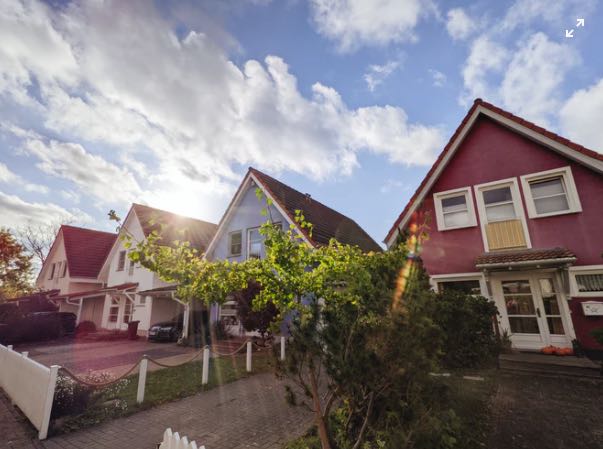
Can Surround Homes Cause My Property Values to Decrease?
When determining the value of your property, appraisers often look at recent sales of homes in neighbourhoods that are comparable to yours.
Unfortunately, if the properties around yours have been appraised at much higher prices, then your home may appear to have a value that is lower than it actually is.
On the other hand, if the homes in the neighbourhood are priced significantly lower than average, this may result in a decline in the value of your own property.
Finally, even if you take excellent care of your house and the neighbourhood around it is riddled with eyesores, this could hurt the value of your property.
Costly Repairs and Needed Updates can Reduce the Value of Your Home
Is the roof on your house in need of replacement? Is your heating and cooling system outdated? Do you have a lengthy list of repairs that need to be done in your home, which seems to get longer by the minute?
The value of your property will continue to decline over time if it requires expensive maintenance and upgrades.
You will be relieved to know that the decreasing trend can be reversed if the essential repairs and upgrades are carried out.
Property values in the area may be impacted negatively by local foreclosures and short sales.
If a lot of homes in your neighbourhood have been foreclosed on or sold in short transactions, then the true market value of your home will go down.
The existence of foreclosures or short sales on a street can cause many people interested in purchasing a home to have second thoughts about purchasing an otherwise ideal property.
Keeping this in mind, foreclosures are a common indication of the volatility of the market. Property values frequently fall while the market is in an unstable state.
How Your Neighbors Affect Your Property Value?
What you should look out for
There are indicators that may be looked out for to help determine the path that the value of the home will take in the years to come.
It is necessary to perform a little bit of study because even if external obsolescence can have a negative impact on your property, the effects may be transient things.
Physical factors
This statement may appear to be self-evident; nonetheless, it is not uncommon for people to ignore it because they believe it to be a simple solution.
For instance, if your neighbour does not maintain their lawn, it could cause damage to your property.
The straightforward answer is to tidy it up, give it some simple kerb appeal, and so on.
It is possible that this aspect will only have a short-term impact on the value of your house; but, if this neighbour consistently fails to maintain their grass, the impact may not be so short-term.
Certain lawns have fallen into a state of complete disrepair, and the closer these homes are located to your own property, the more severe of an effect it has on the value of your home.
In the event that your neighbour is unable to clean up their property for any reason, whether they lack the time or the means to do so, there is a possibility that the value of your home will decline as a result.
Suppose you have other neighbours in your neighbourhood who are experiencing the same issue.
In that case, it will have a greater of an effect on the properties that are nearby as well as your own property, which will ultimately have an effect on the overall property values in the neighbourhood.
Thankfully, each homeowner in many communities is required to adhere to the HOA norms that have been established.
Homeowners can use this information as a guide when selecting a colour for their external doors to limit the number of vehicles that can be stored on their property.
You can inform the local HOA about a neighbour that is being irresponsible, and they will take care of the matter from there on out.
Financial factors
If a neighbour is having significant difficulties with their finances, their unmanicured lawn may be the least of your worries. A foreclosure that is located nearby could have a substantial effect on the value of your home.
According to research conducted by the New York Times, the value of residences located within 300–500 feet of a foreclosed property dropped by 1.3 percent.
If the foreclosed home is also in a state of physical degradation, then the damage may be even more significant.
Take for instance the fact that you reside in a condo. In this scenario, neighbours who don't pay their share of the maintenance costs can have a negative effect on the value of your apartment as well as the rest of the building because it makes living there less desirable to potential buyers of homes.
Even if a foreclosure has the potential to have a significant effect on property prices, this does not necessarily mean that the change is irreversible.
When you ride it out and wait until the bank or lender sells the home to a new homebuyer, you can see things turn around for the better.
Your home's resale value could be negatively impacted if your neighbourhood has a high concentration of unattractive yards or foreclosures, both of which drive down the average price of homes in the area.
MJS Construction Group offers the widest variety of home builder services available in Melbourne, and they can assist you in constructing the home of your dreams.
Legal factors
Because a registered criminal or someone engaging in unlawful activities has the ability to reduce the value of your home by ten percent, it is necessary to examine criminal neighbours as well.
When researching different neighbourhoods, most municipalities keep and publish information of homeowners who have a history of criminal activity; these lists are available to you.
The actions of your neighbours, for example, are one example of an additional aspect that, in addition to those mentioned above, has the ability to influence the decisions you make regarding purchases or sales.
Your neighbourhood may suffer as a result, for instance, if one of your neighbours is obnoxious and frequently hosts events that feature loud music and other forms of entertainment.
When you are looking for a home, however, there is no good natural method for you to know about these variables because you are not currently living in the location.
However, you might enquire with the present owners of the house about the neighbours in the area.
Even while they may highlight the advantages, you can judge how positive you think such things are based on your own prior experiences or opinions, even if they may highlight the positives.
As you can see, the value of a home can be impacted negatively by a variety of circumstances.
It is really necessary to have a discussion about this matter with a real estate agent in the immediate area.
Make sure you have a good understanding of how the presence of any of these issues in close proximity to your home may affect the rate of appreciation.
Too many people are unaware of the influence that external factors have on the prices of homes and other properties.
Refinishing your driveway, giving your kitchen cabinets a facelift, or giving your walls a fresh coat of paint are just some of the many things that can be done to raise the value of your property.
There are certainly a lot of things that can be done. But there are probably certain things that you can't change.
Suppose you are thinking of selling your home in the near future. In that case, it is in your best interest to seek the assistance of an experienced real estate agent who can provide you with direction and help you ensure that you get the highest possible price for your property.
Conclusion
There are a variety of reasons why a product's market price could drop.
Home appreciation depends on a number of factors, including the health of the regional economy, the availability of mortgage financing, and the standard of the dwelling.
Additional factors contributing to falling prices have distorted the market.
Housing values can be impacted by news events such as the discovery of a cancer cluster or a methane leak at a landfill.
When a home is in close proximity to a hazardous waste site, its value can plummet by as much as 15 percent.
The abundance of foreclosures in the area may lower prospective buyers' interest in your home.
You'll need to show buyers that the higher price tag for your house is well worth it in order to compete here.
If the local schools have a bad reputation, potential buyers may be put off.
This could lead to a price drop. The available evidence does not support claims that proximity to power lines is damaging to human health. The presence of sexual offenders in the area could negatively impact property values.
There may be a correlation between a high crime rate and a decrease in home values.
The value of your home may decrease if you are situated next to a noisy highway, railway, or airport.
Worn-out driveways and patios can lower your home's value. In the event that you decide to sell your house, there is no assurance that you will recoup the cost of any renovations you may have made.
Real estate price drops can be attributed in part to the state of the economy.
Buyers and current homeowners are both affected by rising mortgage rates. In case you have any questions or concerns during the construction of your new house, the MJS Construction Team is here to help.
When it comes to your home's worth, may environmental factors play a role?
Your neighbourhood may suffer damage from natural disasters including floods, earthquakes, hurricanes, wildfires, mudslides, and tornadoes.
Property values can be lowered by factors such as the need for expensive repairs and the presence of eye-catching blight in the area.
The number of foreclosures and short sales in the neighbourhood may have a negative effect on property values there.
Foreclosures are a regular sign of market instability.
The proximity of these houses to your own will determine the severity of the impact on your property's worth.
The appearance of your own and neighbouring residences might be negatively affected by grass neglect. The average value of properties in the neighbourhood has dropped due to foreclosures and unappealing yards.
MJS Construction Group provides more house-building options than any other Melbourne company. Ten percent of your home's value might be wiped out if a convicted felon or illegal occupant moves in.
Many municipalities list the names of homeowners who have a criminal record. For example, if one of your neighbours is annoying, the entire community could be negatively affected.
Content Summary
- You need to have a constant understanding of the worth of your property if you want to be a knowledgeable property investor.
- The price of an item on the market may fall due to a number of factors.
- The following are three factors that could lower the value of your house.
- Your home's value on the open market will decrease if there is an abundance of other properties in your neighbourhood that are either in the process of foreclosure or are offered as short sales.
- It is possible that potential buyers could be put off by the reputation of the schools in the neighbourhood, which will result in a decrease in the value of your home.
- A number of factors, including poor quality schools and shopping centres, a lack of access to medical care, and poor road maintenance can cause a decrease in the value of your house.
- Suppose you are thinking about buying a home near power lines. In that case, you should always check with a local real estate professional beforehand to find out how big of an influence the location will have on the home's market value.
- There is no guarantee that you will get back the money you invested in home improvements if you ever choose to sell your property.
- However, home upgrades are typically an excellent way to raise the value of your property.
- The state of the economy is one of the factors that contributes to a decline in property values.
- Other environmental conditions, such as those listed below, might also cause a decrease in the value of a home.
- The value of your property will continue to decline over time if it requires expensive maintenance and upgrades.
- Property values in the area may be impacted negatively by local foreclosures and short sales.
- Suppose you have other neighbours in your neighbourhood who are experiencing the same issue. In that case, it will have a greater of an effect on the properties that are nearby as well as your own property, which will ultimately have an effect on the overall property values in the neighbourhood.
- A foreclosure that is located nearby could have a substantial effect on the value of your home.
- Because a registered criminal or someone engaging in unlawful activities has the ability to reduce the value of your home by ten percent, it is necessary to examine criminal neighbours as well.
- However, you might enquire with the present owners of the house about the neighbours in the area.
- It is really necessary to have a discussion about this matter with a real estate agent in the immediate area.
FAQs About Property Value
The Top 5 Ways to Destroy Your Home Value
- Apply Too Much Weed Killer. Curb appeal is a major selling factor for your home.
- “There … I fixed it.”
- Let the Mold Build. The picture above doesn't reflect the title for a good reason.
- Let the Dogs Out.
- The “Graveyard” Closet.
Read on to learn about surprising things that decrease a home's property value.
- Bad Neighbors.
- Poor Exterior Paint Quality.
- Deferred Maintenance.
- Neighbourhood Foreclosures.
- Proximity to Certain Facilities and Businesses.
- An Unsightly Yard.
- The Address Suffix.
- Too Much Personalisation.
Here are some potential reasons your home value is lower than expected: Your house doesn't compare to others in your neighbourhood. Your home is near undesirable landmarks. You over-improved your house.
One of the most common reasons homeowners struggle to sell is they have set the asking price too high. This can make it difficult to secure viewings, let alone offers. Properties are twice as likely to sell if priced right the first time.
Most Common House Problems
- Improper Surface Grading/Drainage. This was the most frequently found problem, reported by 35.8% of the survey respondents.
- Improper Electrical Wiring.
- Roof Damage.
- Heating Systems.
- Poor Overall Maintenance.
- Structurally Related Problems.
- Plumbing.
- Exteriors.



