
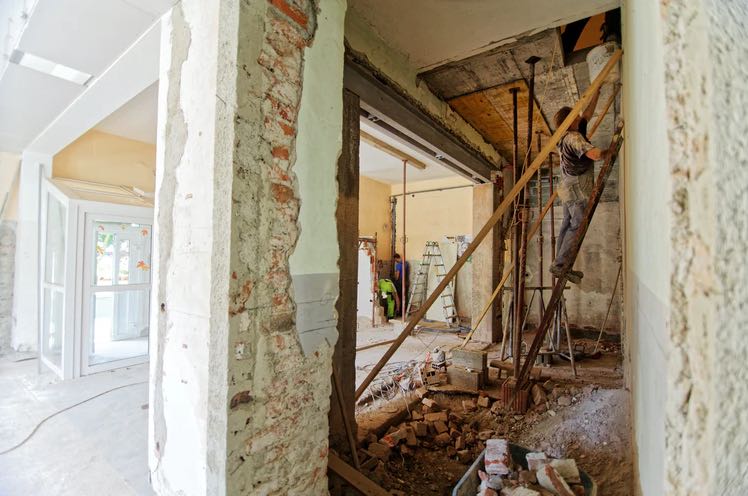
There is a widespread misconception that renovating a property is almost always a stressful and difficult undertaking, with spending plans and completion dates always getting out of hand.
It's a shame, but I can understand why it happened.
As is the case with many tall tales, there is more than a grain of truth to some of these horror stories. However, it is the horror stories themselves that remain in people's memories and are the ones that are told over and over again.
When planning the timeframe for a home renovation project, there are a great number of considerations to take into account, and unforeseen complications frequently arise along the process, which can have an impact on when the homeowner can finally move back in.
There are several factors that can influence whether or not a project stays on track with its timeline. In today's piece, I'd want to focus on this particular topic and talk about it.
Improving the aesthetics of your home is one of the best ways to increase its functionality, level of comfort, and overall worth.
When it comes to timetables, though, one of the things that homeowners ask our remodelling team the most frequently is "how long will this take?"
The answer to this question is not always easy to come up with because every project has its own distinctive set of requirements, which in turn affects the overall completion pace.
See our list of available builder services melbourne to help you make an informed decision for your treatment.
When estimating how long your project should take, however, it is critical to bear in mind a few fundamental principles and considerations.
The following provides information regarding the process of home renovation as well as possible timelines based on the rule of thumb.
Schedule Of Work
It is common practise to hold contractors accountable for delays in project completion.
Any kind of construction project can feel like it will take forever, what with the dust sheets covering everything and people coming in and out of your house.
It is important for your mental health that you begin your project with a clear understanding of the time commitment it will require.
Before beginning work on your house, a reputable contractor will first draught up a schedule of the many tasks that need to be completed.
This will basically provide an outline of every job that has to be done from beginning to end, and wherever it is practicable, it will also mention who is doing what and how much it will cost.
Communication is the most important.
During the course of a typical schedule of works, your contractor will be able to provide you with advice on a variety of topics, including the following:
- Current condition assessment
- Decay prevention
- Demolition work
- Damp prevention
- Plumbing
- Site access
- Major building work
- Plastering
- Flooring
- Decorating
- Final clean
Possible Delays
Before we get started, you need to be aware that we anticipate delays. It is likely that throughout the course of major projects, such as an additional room addition or a comprehensive kitchen renovation, there will be some days when not much progress is made because the contractor is awaiting an inspection or the delivery of materials.
The majority of reputable contractors will factor in extra days into the timetable in case they have to wait for customers or account for other delays.
Other things that could cause uncertainty include products being out of stock, subcontractors running behind schedules (such as an electrician who is working on another project), inclement weather, which can affect projects that take place outside, and unforeseen problems (such as mould or rotting wood).
Are you thinking about giving your home a makeover? No need to look any further! The MJS Construction Group is available to assist you in all of your home building needs.
Planning Permission
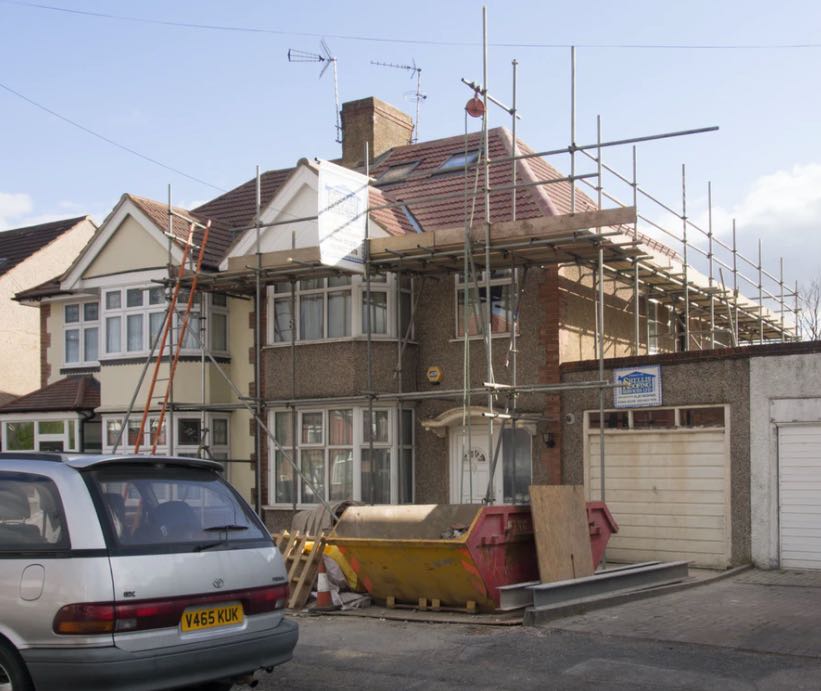
It is possible that you will need to obtain permission from the local planning authority to carry out the work that you have planned, particularly if the house is located in a conservation area or a listed district.
Some home extension projects can be carried out without first obtaining planning authorisation if they qualify as "permitted development" under the Permitted Development Rights programme.
You will be need to acquire permission, however, if you want to build something new, make a significant change to the building (for instance, if the expansion raises the overall height of the building or is more than half the width of the house), or if you change the use of the building.
Building requirements must be adhered to by every extension, regardless of its nature.
It is possible that you will need to submit an application for both this and planning authorisation. In order for the work to be approved, you will need to submit it to the building control department of your local authority.
The majority of decisions on planning applications are made within that time frame.
On the other hand, the process might take as long as 13 weeks in England for applications that are especially large or complex.
Types Of Renovation
The amount of time and labour required to perform the various home improvements will vary greatly.
Obviously, painting a few window frames won't take nearly as much time as retiling an entire bathroom or tearing out and replacing old kitchen cabinetry.
When you buy a home with the intention of flipping it, you need to thoroughly analyse the scope of the renovations you intend to make and the amount of labour they will demand.
In general, three distinct types of home renovations can be distinguished from one another: cosmetic improvements, medium renovations, and total rehabs.
A cosmetic renovation is the type of home improvement project that requires the least amount of work and is the least noticeable change to the property after completion.
Fix-and-flip investors frequently undertake tasks of this nature themselves in order to reduce the amount of money spent on labour.
Medium renovations are not as minor as cosmetic renovations, but they are less intensive than total rehabs. Cosmetic renovations are the most basic type of restoration.
You can take care of them on your own, but doing so will need you to do some investigation, get your hands dirty, and commit to something that could take several weeks.
Complete rehabs are homes that need a lot of extensive modifications and should only be considered by real estate investors with a significant amount of experience.
In this category, you could have to deal with big structural changes, such as rebuilding the electrical and plumbing work, as well as other labor-intensive jobs that are not for the faint of heart.
These types of renovations typically cost the most money and take the longest to finish, making them the most expensive overall.
Due to the inevitable amount of trial and error involved, the completion of these projects may take up to twice as long if an investor with less experience handled them.
Cosmetic Renovations
When the focus of your renovations is mostly on their aesthetic value, there are some tasks that you can anticipate being assigned to you right away.
One common recommendation is to give a home or apartment a fresh coat of paint before putting it up for sale or renting it out.
This is an easy task that you can complete on a budget, and you can cut costs even further by painting the room on your own.
Renovating a home's appearance typically entails less intensive rehabilitation work and is more commonly connected with activities such as painting, carpeting, or drywall repairs.
These renovations do not refer to major changes such as altering the structure of the property or carrying out any demolition work.
As a result, this type of makeover is ideal for an aspiring investor to take on in the beginning.
When it comes to purely aesthetic renovations, you should plan on allocating anything from a week to a couple of months.
This is highly dependent on whether the work is done by the person themselves or whether they hire specialists.
Depending on the square footage of the home or business, hiring expert painters might cost anywhere from $100 to more than $200. The cost of replacing the carpets will be significantly higher, ranging from $759 to $2,546.
Again, a significant portion of this cost will be determined by the dimensions of the rooms you intend to carpet as well as the kind of carpet you go with.
The cost of repairing drywalling is roughly comparable to the cost of replacing carpeting.
Because of these expenditures, many people who engage in flipping houses choose to take on these and other smaller projects by themselves.
It is recommended that less experienced investors opt for properties that come completely furnished. Homes that are turnkey are those that are ready to be moved into immediately after only requiring cosmetic upgrades.
These kinds of homes are very advantageous for investors since they may be resold or rented out quickly, which results in quicker returns on investment for the investor.
Medium Renovations
This category falls somewhere in the midst of projects that take a short amount of time and those that take a long amount of time.
Consider tearing down walls, installing new kitchens, and putting down new roofing as some examples of the more time- and money-consuming repairs that are involved with this issue.
The level of labour required for these upgrades is often lower than that required for aesthetic repairs but higher than that required for a full rehabilitation.
The installation can take up to a month or perhaps longer on its own, depending on the scope of the renovation work being done in the kitchen.
When performing more extensive improvements, you will need to save some time for planning and locating the necessary materials. It is of the utmost importance to take the time to measure everything, place an order for samples, organise any necessary permissions, and then get everything in action.
As a result of the increased amount of time required to make these modifications, the total process can take anywhere from three to six months to finish.
This is due to the fact that for many larger restoration projects, you will be need to perform a significant amount of planning and preparation.
For example, if you want to move walls inside the property, you will need to secure permits.
These renovations will almost certainly require more work from professionals as opposed to cosmetic upgrades, which the homeowner themselves can effectively do.
It is imperative that you keep in mind that depending on the materials that you select for these improvements, there is a possibility that there may be a delay in the shipping and delivery of the goods.
Considering a new project? Then MJS Construction Group builders Melbourne is the answer.
Full Rehabs
This category of home improvement should not be taken lightly at any point in the process. Complete rehabs are labour-intensive endeavours that must be carried out over an extended period of time and necessitate the utilisation of a substantial amount of resources.
Large-scale residential renovations such as these sometimes involve the replacement of flooring, structural repairs, the renovation of electrical and plumbing systems, and a variety of other labour-intensive jobs.
In other words, it is absolutely necessary to have prior experience in the relevant field before beginning a project such as this one.
The typical length of time required to finish this kind of residential remodelling is around one hundred eighty days.
This is the category that calls for the most financial resources, and it also necessitates the participation of a wide range of experts.
During the process of flipping houses, several professionals in the real estate industry suggest allocating a spending budget of approximately one thousand dollars every day.
It is crucial to adhere to the timeframe in order to ensure a successful total rehabilitation, which will require the greatest amount of effort and the largest expenditure.
Your project will diverge from the deadline, which will eat away at your profits every day. This is because fix and flips need to be resold as quickly as feasible.
Cosmetic Renovations – A Weekend to Three Months
A simple cosmetic redesign could be in your future if your house is already relatively new or doesn't need a lot of work done to it.
Short improvements that involve merely aesthetic repairs can typically be completed in a span of time ranging from one weekend to more than three months.
This involves painting the interior and outside of the home, installing new worktops and appliances, as well as replacing any necessary flooring.
Even anything as straightforward as replanting some grass or switching out a standard sink for one with a more on-trend farmhouse appearance can count.
A cosmetic renovation timeline is, in essence, one that is reserved for less significant repairs or for circumstances in which the fundamental bones of the property are still in outstanding condition but require only a tiny amount of updating.
A do-it-yourselfer can speedily finish many of these activities in a matter of hours or days by working on them independently.
Larger jobs that need plumbing or significant carpentry work typically require the services of a qualified contractor, but they may still be deemed to fall under the category of being mostly cosmetic.
Medium Renovations – Several Weeks to Six Months
The next schedule strategy for the completion of a home remodelling project is for medium-scale improvements, which can take anything from several weeks to six months to finish.
This often encompasses circumstances in which you are required to do nearly complete demolition of the area or require additional repair work that goes beyond a fundamental level of cosmetic upkeep.
Most of our jobs fall under this category, and we are a reputable Houston contractor.
There are a lot of different possibilities for typical to medium-sized renovations. This is the group that readily encompasses the majority of fixes.
For instance, if you entirely redesigned your kitchen and moved the plumbing for the sink to the new centre island, this would be considered a medium-sized renovation project.
Another illustration of this would be installing a new fireplace in the living room of your existing home or constructing a new garage off to the side of your existing house.
In these instances, the removal and replacement of the damaged component can take a few weeks to finish, but the structural integrity of the building will not be compromised in any way by the work.
Major Overhaul – Six Months to Over One Year
When considering dates for remodelling projects, the last sort of project to take into consideration is the substantial overhaul.
In the event that the entire house needs to be gutted, the reconstruction process will take far longer.
Typical completion times for projects of this nature in the construction industry range from three to nine months.
When considering whether or not to take on a project, many homeowners who flip houses and business owners that do renovation work look for.
These are the circumstances in which a home is situated in an ideal location, but it will require a significant amount of work to bring it up to the standards of today's buyers.
It is also vital to remember that a big overhaul may also entail large-scale difficulties such as foundation repair, structural repair, home lifting, second-story expansions, and other similar projects.
On the other hand, large projects with extended due dates are not often comprehensive overhauls in and of themselves.
There are situations in which choosing to work on a number of smaller or medium-sized projects can result in a larger total endeavour.
A homeowner who decides to finish their basement, extend their brand-new gourmet kitchen, and build a lavish master bathroom simultaneously is an example of someone who chooses to do all of these things simultaneously.
Completing these tasks one at a time would normally not be too difficult, but doing them all at once could cause the deadline for the entire project to be pushed back.
Again, it all boils down to the important components of the project as well as the number of distinct facets that are occuring simultaneously.
What Factors Can Affect the Schedule of My Renovation Project?
Let's have a conversation about some of the most typical considerations that need to be made when developing a schedule estimate for a restoration project.
There are some of these that we have command over, while others are completely out of our hands.
To successfully complete a renovation project, one must strike a balance between meticulous planning and the ability to adjust quickly to changing circumstances.
If your staff is competent in both of these areas, they will be able to ensure that there are as little delays as possible, regardless of what other complications may arise along the route.
The Size of Your Home and the Scope of the Renovation
This one is very clear but is of the utmost significance.
Are you just remodelling one room, or are you going through the entire house and giving it a new look?
Are there any alterations to the structure planned? Do you have plans to construct an additional wing onto your current house? It takes time to implement any modification that has been carefully prepared.
Weather
This is one of those "acts of God" that may completely derail even the most meticulously prepared plans.
We have learned through previous experiences that it is best to leave some wiggle space in the agenda for the unpredictability of events, such as sudden storms and cold spells.
The vast majority of construction crews have experience working in a variety of climates and conditions.
Construction Permits and HOA Delays
When the paperwork is handled by an exceptionally well-organized and productive office staff, you can be assured that every effort is being made to move the process forwards as quickly as possible.
On the other hand, there may be delays on the other end from time to time.
This could be because the office that issues permits is coping with a backlog of work, or it could be because a member of the board of the Homeowners Association is temporarily out of pocket.
Uncovering unforeseen issues with the current structure
I know. This is the variable that causes the most anxiety.
When we begin the demolition process, we occasionally encounter problems that cannot be ignored.
The resolution of these issues may result in a shift in the anticipated timeline.
Changes in design
Sometimes, you change your mind. A good builder should be flexible enough to roll with it. However, you should be aware that design changes can delay the completion of your renovation project and can also be a serious budget-buster.
This article lists only a few common examples of house renovation projects and how long they may take. Remember, when doing a house renovation as a flip, the faster you get the house on the market, the better.
You need to reach a fine balance between finishing the renovation quickly and maintaining the quality that buyers will be looking out for.
Every extra day spent on renovations will cost you – whether it be fees, taxes, or contractor costs. The problem is that these costs can quickly build up and start eating into your profits.
If you're looking for a high-quality, affordable builder in Melbourne, you're in the right place! Check MJS Construction Group!
Knowing which category the majority of your renovations fall into will help you understand how long the project will take and what it will cost you.
That’s what makes planning your timeline, including the sequence of jobs to be done, is so important. Think carefully about the order of renovations, and rely on your contractor for additional guidance.
It’s highly advisable to create a timeline spreadsheet for your renovation and get materials ordered and ready to go by the time you are prepared to start the rehab.
This also goes for any service providers you have in mind – make sure to contact them early.
When working with other professionals on a renovation project, always make sure to vet them carefully.
At MJS Construction Group, we have the best home builders selection to make your house a dream come true.
The time it takes to renovate can vary depending on what needs to be done and whether you’ll be taking these projects on yourself. House flipping investors that are good with their hands.
Conclusion
The idea that house renovations are always unpleasant and difficult is a common misunderstanding.
The rate at which a given project is finished depends on its own unique set of requirements.
It's crucial to your sanity to know how much time you'll need to devote to a project before you start working on it.
When it comes to building a house, you can count on the expertise of the MJS Construction Team. Out-of-stock items or sluggish work from vendors or suppliers are two potential causes of delay.
If a home addition meets the criteria for "permitted development," it can be completed without the need for a formal planning approval. Home improvements can be broken down into three categories.
Minimal effort is required to finish a cosmetic remodelling; once it's done, you won't even notice the difference in the home. Investors in "fix-and-flips" often do work like this themselves.
Aesthetic renovations, on the other hand, are more frequently associated with lighter rehabilitation work, such as painting, carpeting, or drywall repairs.
These improvements are not meant to imply structural alterations or demolition of any kind. Property that comes fully furnished is ideal for less seasoned investors.
Turnkey properties are those that need little more than cosmetic work to be moved into immediately.
As a result of their high potential for quick resale or rental income, these houses are popular among investors.
This type of home renovation usually takes about 180 days to complete.
Modifications that are primarily cosmetic can be finished in as little as one weekend or as much as three months.
Since the goal of a fix-and-flip investment is to maximise profit, the property must be resold as soon as possible once repairs are made.
Redesigning a home might take as little as a few weeks or as much as a year. Many of these tasks are easy enough for a do-it-yourselfer to complete in a few days.
A skilled contractor is often needed for larger projects, especially those requiring plumbing or extensive carpentry.
How does the length of time it takes to complete my home improvement project depend on many aspects? Let's examine a few of the most common things to think about when estimating the length of a restoration project's timeline. The scale of the project and the quantity of moving parts are two such factors.
Any well-planned change will necessitate some lead time.
Put the house up for sale as soon as possible. There will be additional fines, taxes, and contractor costs for every day that renovations are delayed. Several typical home improvement projects and their estimated completion times are provided here.
Content Summary
- When planning the timeframe for a home renovation project, there are a great number of considerations to take into account, and unforeseen complications frequently arise along the process, which can have an impact on when the homeowner can finally move back in.
- There are several factors that can influence whether or not a project stays on track with its timeline.
- The following provides information regarding the process of home renovation as well as possible timelines based on the rule of thumb.
- Before beginning work on your house, a reputable contractor will first draught up a schedule of the many tasks that need to be completed.
- It is possible that you will need to submit an application for both this and planning authorisation.
- When you buy a home with the intention of flipping it, you need to conduct a thorough analysis of the scope of the renovations you intend to make and the amount of labour they will demand.
- Homes that are turnkey are those that are ready to be moved into immediately after only requiring cosmetic upgrades.
- When performing more extensive improvements, you will need to save some time for planning and locating the necessary materials.
- The next schedule strategy for the completion of a home remodelling project is for medium-scale improvements, which can take anything from several weeks to six months to finish.
- There are a lot of different possibilities for typical to medium-sized renovations.
- Let's have a conversation about some of the most typical considerations that need to be made when developing a schedule estimate for a restoration project.
- Uncovering unforeseen issues with the current structureI know.
- Changes in designSometimes, you change your mind.
- However, you should be aware that design changes can delay the completion of your renovation project and can also be a serious budget-buster.
- Remember, when doing a house renovation as a flip, the faster you get the house on the market, the better.
- Think carefully about the order of renovations, and rely on your contractor for additional guidance.
- It's highly advisable to create a timeline spreadsheet for your renovation and get materials ordered and ready to go by the time you are prepared to start the rehab.
FAQs About House Renovation Take
Some properties can be renovated in a couple of weeks if they only require superficial work, e.g. minor plastering, painting and decorating, and no structural work. On the other hand, more extensive renovations can take three to six months (or even longer) to complete.
Home renovations can take a few weeks for minor projects to six to nine months for larger projects. If you're remodelling an entire home, it could take up to a year. Some projects take a long time because of budget problems, scheduling issues, unforeseen delays, and expanding the scope of the project.
The reason why home remodelling projects tend to always cost more and take longer than agreed upon is that some general contractors want to make maximum money from you. Making maximum profits is Business 101. However, some general contractors (GC) go too far.
The builder can delay to almost six years or more with no possession.
However, delays can happen for various reasons such as weather, equipment failures, labour shortages, missing or incorrect data, project mistakes and conflicts. There are some reasons, like weather, that are beyond your control, but most construction project delays can be avoided.



