
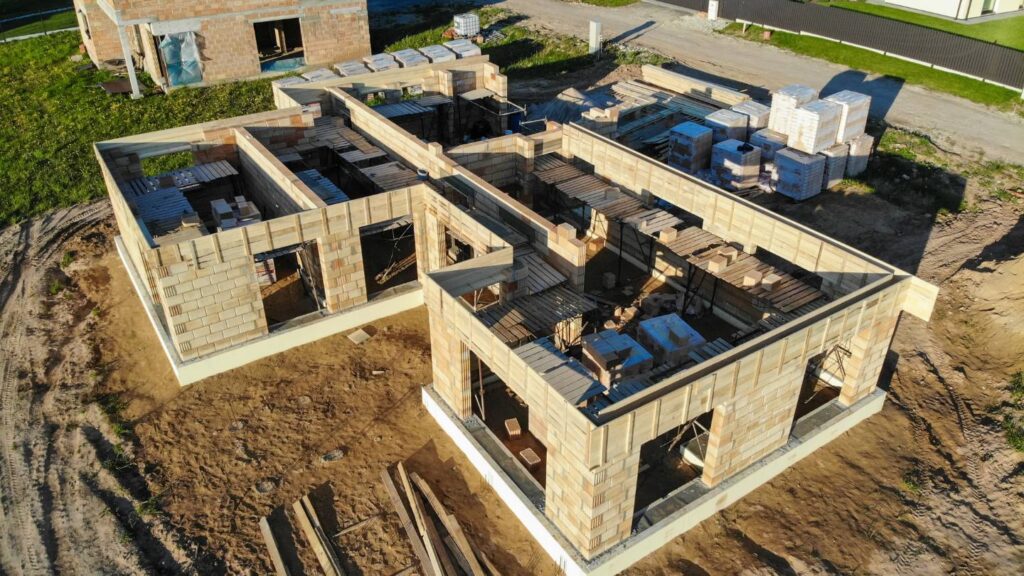
Is increasing the profit from your next development a goal of yours? A duplex could be a fantastic investment if you know where to look. The duplex is one of the most profitable urban development projects. Due to the high buyer demand, developers in urban and regional areas can considerably benefit from investing in dual-occupancy homes.
Even though they have been a mainstay for builders for decades, recent trends have shown a shift away from two-story homes. Duplexes are currently experiencing a real estate boom in Australia. Given the increasing interest, one of the better bets you can make is to develop a dual-income property. However, like with any other development project, the location you choose can significantly impact your returns.
There is no magic formula for selecting the ideal location for a duplex, so don't get your hopes up. Getting the study done well and remembering a few things are more important. If you are in the market for a duplex site, use the suggestions below to narrow your search.
What Is A Duplex, And Is It Worth Building One?
Duplexes are two-story dwellings that share a shared wall and are located on different lots. Each house has its entrance, and the property titles can be shared or, in the case of a subdivision, can be distinct. Duplexes are great for many reasons, including living next door to loved ones, having extra space for guests, and the possibility of renting out one or both units.
One reason duplexes are becoming so popular is the lifestyle advantages they provide.
Instead of cramming into a small apartment, a duplex provides more room for a better lifestyle.
As a bonus, it can be a great investment. Despite the challenging market conditions, duplexes are a smart investment due to the high rental income (and, in many cases, positive gearing) generated from renting out both apartments.
To achieve their lifestyle aspirations, investors often construct duplex units, subdivide them, and then sell or refinance for a profit. Some people construct duplexes for sentimental reasons, such as wanting to live near friends or relatives.
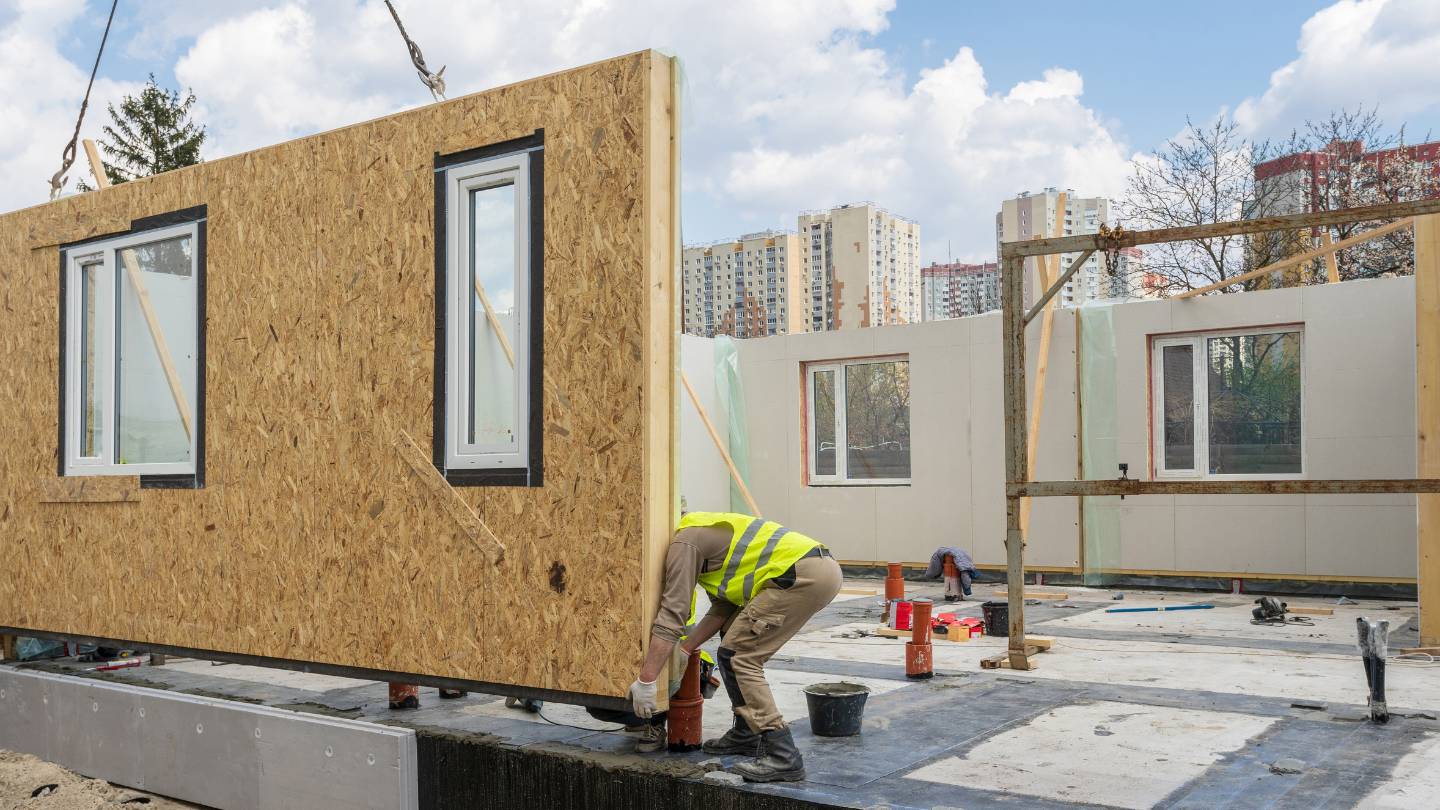
Duplex Development's Evolution
The trends in duplex development have been shifting in recent years, mirroring the changes in the property economy. Back in the day, duplex houses weren't exactly hip and happening. Most duplexes were located in sketchy suburbs, the kind that both homeowners and tenants despised, and their design was ugly but practical.
Unlike today's savvy shoppers, purchasers and tenants of yesteryear were more laid-back and less picky. They were open about the duplex's location and quality because they had a different concept of good quality.
The dramatic increase in the cost of real estate in Australia's most populous cities started to alter public opinion around 2014. As many buyers were priced out of the detached unit market, the demand for smaller duplex houses increased, replacing the larger detached units. As people started looking for more compact housing, duplexes rose in popularity, and the industry saw some of its most successful buildings in this style.
These days, many people dream of owning a duplex. This is why living in a high-rise condo and enjoying a tranquil luxury lifestyle are good compromises. Both homebuyers and builders are increasingly interested in the duplex building concept. To pull off a successful duplex development, you'll require expert knowledge of the duplex real estate market.
The Tips
The Reason Why You're Building There
This is the single most critical consideration whether choosing a home site or buying an existing one. When choosing a location, it's important to consider the building's overall function and the level of seclusion you'll need.
Understand The Basic Site Requirements
First and foremost among any site study would be the site needs, which are the building blocks of any property development. For instance, you should be aware of the footprint of a duplex design before proceeding. With such data, you may begin searching for suitable parcels of land.
- What dimensions of a piece of land should your duplex take into account?
- What distance from different parts of the infrastructure is required? You might find a more affordable plot and improve your return on investment if you begin with the bare minimum.
Regrettably, more is needed to locate the perfect duplex spot for you.
Recognise The Required Town Planning Requirements
In addition to state restrictions, you will likely need to adhere to those imposed by your local council or town planning department. Finding the right land depends on knowing what you can construct there. You risk having your development plans ruined if you don't. You could have to rethink your plans, squandering time and money on-site scouting. It could even cause the city council to reject your building permit if things go wrong. In that case, how does one get a building permit for a plot of land?
For example, size is a major factor when evaluating a piece of land. For that reason, you need to look at items like frontage. Among duplex developers, it ranks high in terms of search volume. Depending on your specific project needs, the Archistar platform can assist you in identifying development sites that are not suitable for dual occupancy properties. It could also be wise to verify the following requirements:
- Minimum outdoor privacy requirements
- Size
- The aspect of a site
- Land depth
- Access to gas, water, electricity, and sewage
- Slope
Changes to your project or the search for a new location may be necessary if you fail to adhere to all town planning regulations. To get more specific search parameters, combine the data from your minimum site needs with the minimum criteria required by the local building code.
Make A Feasibility Analysis
You should conduct a feasibility analysis before beginning any construction project, as you should know by now. Duplexes are no exception. To understand your project's potential, you should create a feasibility report because every site is unique. We suggest consulting with multiple experts if you want a comprehensive feasibility analysis. Consult a builder and a surveyor, for example. You can also enquire about local charges for developing properties with two dwelling units and land subdivisions.
After that, consider who to contact for accounting, debt management, and real estate. For instance, calculating expenses is another fantastic use of your feasibility study. If you want to know if the land suits your needs, you should consult with accountants and loan managers, even though a contractor can give you a general sense.
Find out what you can obtain to rent or sell the duplex once it's finished. Although it is better to choose a real estate agent that specialises in houses with two sets of residents, any realtor may offer valuable market insights.
Consider Investment Returns
You can also determine your return on investment (ROI) in a certain sector with the help of your feasibility study. Detailed information regarding rental prices, sales volume, and demand for dual occupancy properties is included in the report's appendix. And if you find out that the market isn't doing well and individuals have other housing preferences, you can shift your focus to other cities or suburbs.
A feasibility study can also illuminate the question of whether or not the development expenses will be worthwhile. Remember that in certain wildfire zones, it is even permissible to construct duplexes. There might be a significant market for such properties in these areas. Will the extra money you save on repairs after a fire be enough to cover the cost of fireproofing your building?
You may create a fortune without spending a fortune sometimes. You might have opportunities to achieve huge profits on relatively small investments.
Address Soil Issues
To most people's surprise, only some developers consider soil conditions when searching for a plot of land. In other words, they consider the form, slope, and frontage but must pay attention to the soil. It is recommended to consult a structural engineer as soon as the project specifications are defined. The main goals of the consultation are finding out what kinds of land are suitable for construction and whether it's a good idea.
Soil issues might affect the building's stability and safety, so be aware. You can construct a duplex on that specific lot. However, it might only be worth it if you make fewer changes to your plans and increase your development costs. The next step is to determine the ideal soil conditions for your project. Use that data to hone the perfect lot for your dual occupancy construction.
Verify The Easement, Utilities, And Area Master Plan
While searching for a site to build a duplex, there are a few more details to remember.
Keep in mind that there will be areas where service is laid underground. That is why you can't construct over certain areas of a site. Depending on the arrangement, your building might only be able to utilise that block to its full potential if it makes significant design adjustments.
In addition, you need to monitor everything surrounding your chosen site unless you're constructing in a remote area. Is the property nearby going to be developed in any way? Can you anticipate any changes due to upcoming infrastructure projects? Where do we stand on proposals for community centres, parks, and new roads?
You can learn more about a block's suitability for duplex development by answering these questions. In addition, it could uncover important details on the potential worth of multi-occupancy homes on a certain property.
Gains From Choosing The Perfect Spot For Your Duplex Home
Increased Property Worth
The market value of a house can be greatly enhanced by carefully selecting an ideal location. Real estate in highly sought-after places or neighbourhoods with high demand tends to appreciate faster, giving you a better chance of making a profit when the time comes to sell.
Potential Of Rental Income
Reliable tenants will be easier to find in a highly visible area if you rent out either half of the duplex. Rental revenue can be significantly increased by purchasing a property in a desirable, safe, and easily accessible location.
Increased Resale Value
A desirable site location might increase the duplex's resale value when the time comes to sell. It might sell more quickly and for a greater price than properties in less desirable locations.
Lower Rates Of Vacancy
Vacancy rates for duplexes in prime locations tend to be lower. A more stable rental revenue and lower turnover expenses result from tenants more likely to remain for an extended period.
Accessing Amenities
Schools, grocery stores, hospitals, parks, public transportation, and recreational places are just a few of the important amenities that are usually within easy reach of a duplex in a good location. People living there and those looking to rent it out may enjoy a higher quality of life.
Convenient Travel
Potential tenants may be swayed by the idea of shorter commutes to work, which is generally associated with a good location. Additionally, it can alleviate commuting expenses and stress for you and your tenants.
Greater Demand In The Market
In general, property prices tend to be higher for properties that are in more desirable locations. As a result, you may have more leverage in negotiations, whether selling or renting, as there may be numerous interested parties.
Possibility Of Capital Gains
Property values in desirable areas often rise more rapidly than average over time. Because of this, the value of your duplex could rise faster than similar properties in less desirable neighbourhoods.
Diminished Risk Of Value Depreciation
Economic downturns or deteriorating neighbourhoods are two potential causes of value depreciation for properties in less desirable areas. This risk can be reduced with an optimal site selection.
Maximised Overall Satisfaction
A better quality of life can be achieved by residing in or managing a duplex in a desirable location. You might be more satisfied with life if it provided a nicer atmosphere, more security, and easier access to cultural and recreational possibilities.
Conclusion
There is one wall between two duplexes, even though they are on different lots. People like them because they let them live close to family and friends, have extra room for guests, and have the option to rent out one or both units. More and more people are buying duplexes because they offer better living conditions, high renting income, and the chance to make money.
In the past few years, duplex building styles have been changing, which is in line with changes in the real estate market. Around 2014, the sharp rise in home prices in Australia's biggest cities started to change people's minds, which led to a desire for smaller duplex homes. As more people looked for smaller homes, duplexes became more popular, and some of the most famous buildings in the industry were made in this style.
To find the best place for a duplex, you should think about why you're building there, know the basic site requirements, and be aware of the town planning requirements. You should also think about things like the site's size, shape, depth, access to gas, water, power, and sewage, and its slope.
Duplexes are profitable urban development projects that are in high demand. This makes them a good investment for developers in both cities and rural areas. To find the best duplex site, you need to carefully research the market, know the basic site standards, and follow the rules for town planning.
A viability study is an important part of any building project, even duplexes. As part of the process, experts like builders, surveyors, lawyers, and real estate agents are consulted and a report is made that describes the project's potential. The report should also include information about rental costs, sales volume, and the need for homes that can be used by two people at the same time.
A feasibility study can help you figure out the return on your investment by giving you information on rental prices, sales volume, and the market for duplexes. In some areas prone to wildfires, doubles may be legal, which means that small investments can lead to big returns.
When looking for a place to build a duplex, the soil conditions must be taken into account because they can affect how safe and stable the building is. Talking to a structural engineer is the best way to find out what the best soil conditions are for your job.
When looking for a place to build a duplex, it's important to check the ease of access, services, and the area's master plan. This means thinking about places with underground services, keeping an eye on the properties nearby, and preparing for changes that will happen because of infrastructure projects.
Finding the right place for a duplex home can have many benefits, such as higher property value, potential rental income, higher resale value, lower vacancy rates, easier access to amenities, faster travel, higher market demand, possible capital gains, lower risk of value loss, and greater overall satisfaction.
Doing a feasibility study before starting a building project can help the owner make a lot of money and make life better for the renters as well.
Content Summary
- Duplexes are increasingly popular in urban and regional areas for their dual occupancy and profitability.
- Choosing the right location is crucial for maximising returns on a duplex investment.
- Duplexes, typically two-story dwellings, offer both lifestyle and investment benefits.
- Recent trends show duplexes are booming in the Australian real estate market.
- Duplexes provide more living space compared to apartments, appealing to a wider market.
- Investors often build duplexes to live in one unit and rent/sell the other for profit.
- Changing property economy trends have enhanced the appeal of duplexes.
- Duplexes have evolved from basic designs in less desirable suburbs to stylish homes in sought-after areas.
- Modern duplex buyers and tenants are more discerning about quality and location.
- Rising real estate costs have made duplexes an attractive alternative to detached units.
- Expert knowledge of the duplex market is essential for successful development.
- The purpose of the building is a key consideration in choosing a duplex location.
- Understanding basic site requirements is fundamental in selecting a duplex site.
- Knowledge of the required land size and infrastructure proximity aids in site selection.
- Adhering to local town planning regulations is critical in the site selection process.
- A feasibility study is essential to understand a project's potential and challenges.
- Consulting multiple experts is recommended for a comprehensive feasibility analysis.
- A feasibility study helps estimate costs and understand local market dynamics.
- Considering investment returns, including rental income potential, is vital in location selection.
- Soil conditions and land suitability are crucial factors often overlooked in site selection.
- Checking for easements, utilities, and area master plans is important in evaluating a site.
- The ideal location for a duplex can significantly increase property value.
- A good location ensures a higher potential for rental income from the duplex.
- Duplexes in prime locations have a higher resale value.
- Lower vacancy rates are likely in duplexes situated in desirable areas.
- Accessibility to amenities like schools and hospitals adds value to the duplex location.
- Convenient transport links in the location can attract potential tenants and buyers.
- Market demand is generally higher for duplexes in prime locations.
- Choosing the right location can lead to potential capital gains.
- Optimal site selection reduces the risk of value depreciation in economic downturns.
- Living in or managing a duplex in a good location maximises overall satisfaction.
- Lifestyle advantages of duplexes include the ability to live near loved ones and provide guest space.
- Duplexes offer a balance between urban living and a more spacious environment.
- The evolution of duplex development reflects changing consumer preferences.
- Duplexes have transitioned from practical designs to stylish, desirable homes.
- Increasing property costs have made duplexes more appealing as compact housing.
- Duplexes now represent a desirable compromise between high-rise condos and luxury living.
- Location choice impacts the duplex's functionality and privacy levels.
- Basic site requirements, like footprint and infrastructure distance, guide land selection.
- Complying with local town planning requirements prevents project delays and failures.
- Frontage, outdoor privacy, land depth, and utility access are key site considerations.
- A thorough feasibility analysis evaluates cost, accounting, and real estate aspects.
- Understanding local rental and sales markets aids in assessing project viability.
- Investment returns analysis helps gauge the potential success of the duplex project.
- Addressing soil conditions ensures the duplex's structural stability and safety.
- Considering easements and utilities prevents construction limitations and design adjustments.
- Awareness of nearby developments and infrastructure plans can influence site value.
- Property market trends should be considered when choosing a duplex location.
- A duplex in a sought-after location offers lifestyle benefits and financial gains.
- Strategic location choice enhances the duplex living experience and investment returns.
Frequently Asked Questions
When selecting a location for your duplex, it's important to consider factors such as proximity to amenities, neighbourhood safety, school districts, property taxes, zoning regulations, and potential for future growth. Evaluate these aspects carefully to find the best location that suits your needs.
To gauge the safety of a potential duplex location, you can research crime rates in the area, speak to local law enforcement, and visit the neighbourhood at different times. Additionally, talking to current residents and reading online reviews can provide insights into the area's safety.
The quality of nearby schools can significantly affect the appeal and value of a duplex property. Families often prioritize homes in good school districts, so investing in a location with reputable schools can potentially increase your property's long-term value and demand.
Yes, zoning regulations can vary from one location to another. Check with the local zoning department to understand the specific regulations for duplex construction in the area. Zoning codes can dictate the property's use, density, setbacks, and other important factors impacting your investment.
Assessing the potential for future growth in the area can be essential for long-term investment value. Look for signs of economic development, infrastructure improvements, and population growth. Locations with strong growth prospects often offer better appreciation potential for your duplex property.



