
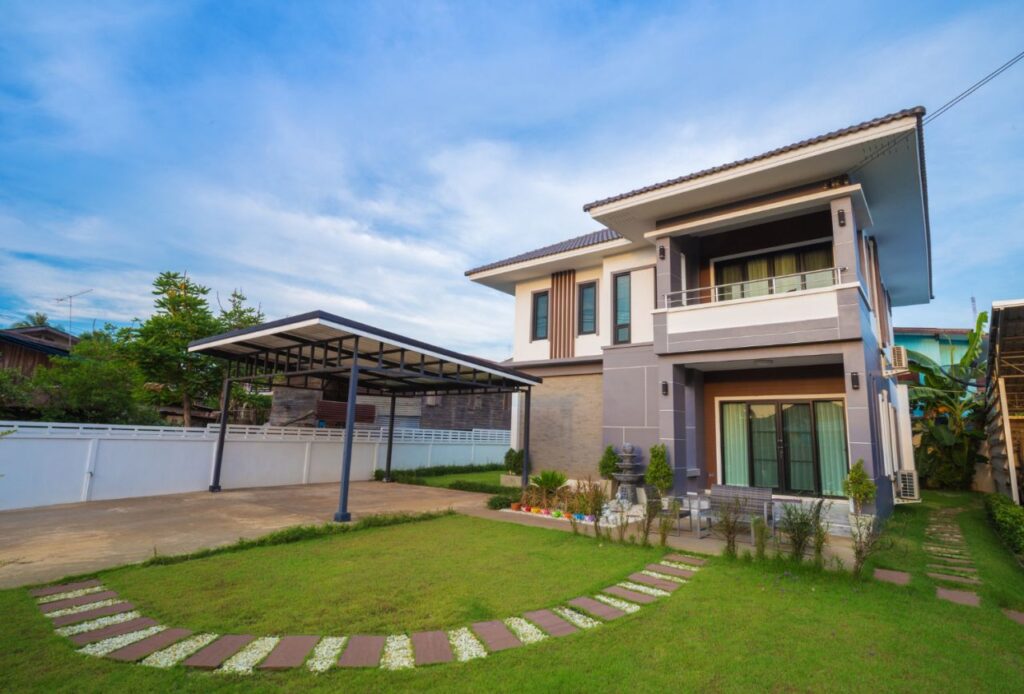
What you want, when you want it, exactly the way you want it. There are many who think we can drop the subject there, but maybe you want additional information.
In case you're in the market for a new house but can't decide between a completely custom build and customising a production home (commonly known as "Semi-Custom"), we've produced a list of 10 reasons why you might want to consider building a truly custom build instead. Do on reading if even one of these points interests you.
Numerous individuals are opting out of the housing market in favour of building their own residences. It's understandable if the prospect of building from scratch seems daunting in comparison to buying an already-existing home. However, there are many benefits to building that you might not have considered before, including cost savings and more freedom in the selection of a contractor, lot, and floor plan. Now, let's examine the benefits of building your own home. Check out our range of builder services melbourne to assist you select the most appropriate one for you.
Reasons To Build Your Own Home
A Future-Proof Home
While the phrase "future-proofing" can be used in a broader sense, the focus here is on the need of careful family planning. One of the most common motivations to uproot one's life, sell one's existing house, and buy a new one is the desire to relocate because of a growing family.
A custom home allows you to create a space to live that is tailored to your specific needs at the present time while also anticipating your wants and needs in the future.
Lower Monthly Energy Bills
Some buyers have good luck with pre-owned properties; but, the cost of updating them with modern, energy-efficient fixtures may add up rapidly.
When purchasing a brand-new home, consumers should insist on having energy-efficient fittings. A custom-built house, on the other hand, gives you a fantastic chance to optimise your home's energy performance and substantially reduce your monthly power bills.
Flex Space For Family Life
Most modern families with children under the age of 30 choose living spaces that blur the lines between the kitchen, dining room, and living room. A bespoke home's layout lets you cater to the needs of your entire family while still maintaining some privacy in vital places.
A Floor Plan That Fits Your Lifestyle
What's life without friends?
A homeowner's quality of life may improve if they are able to entertain friends and family in style. Having a custom-built house to your specifications is a great way to show off your hospitality talents. You could, for instance, build a custom patio around an existing barbeque pit or in-ground pool. Remodel the living room into a spacious great room, or build a new kitchen big enough to seat the whole family, so that everyone can enjoy meal preparation together.
Self-Expression In The Details
Think about every place you've lived.
How long has it been since you had any say in how your own house looked? Possibility to hand-pick kitchen and bathroom fittings, as well as other decorative elements? Custom-built houses are a fantastic opportunity for individuals to make a statement. You have the chance to create a home environment that is 100% you.
The Latest Technology, Built Right In
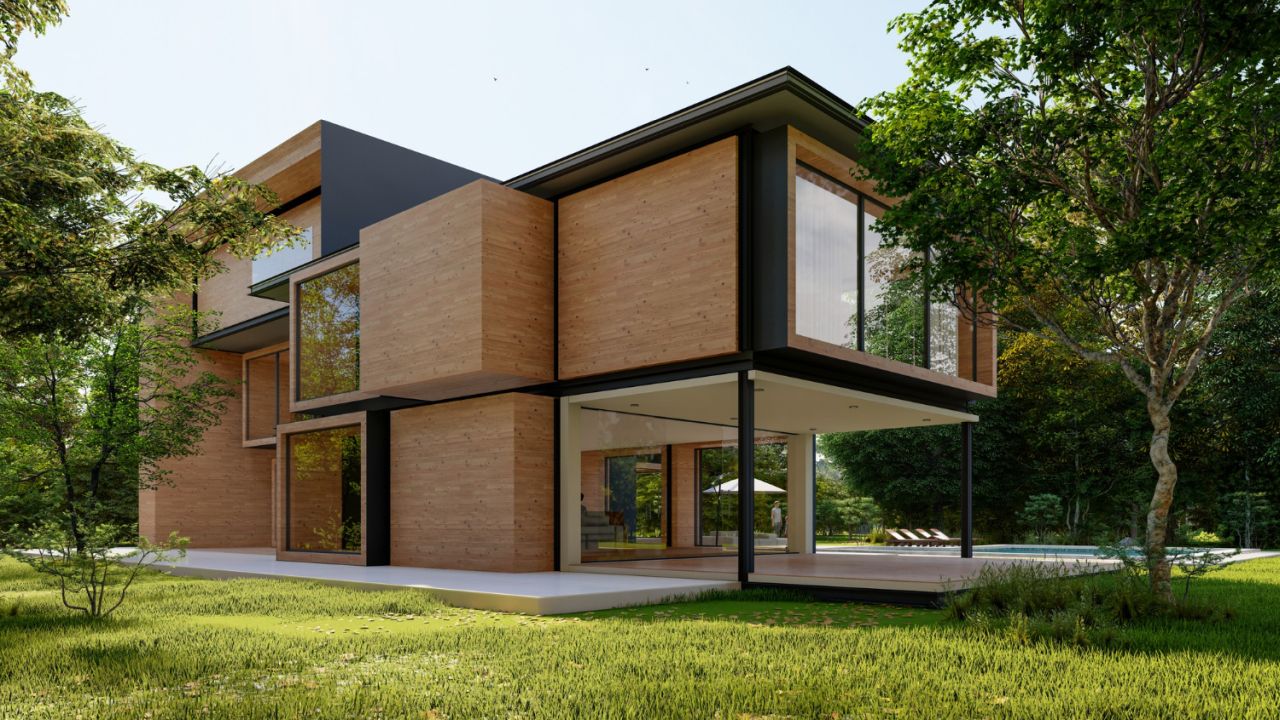
The most rapidly evolving features of modern house design include open floor plans and integrated home technologies. Smart appliances, multi-room audio systems, and home automation may all be included into a new house's design from the ground up.
Built Where You Want It
It's important to consider the location of your future home before deciding on things like great room layouts or roofing materials, because that decision gives you a great deal of freedom. Before you even consider fancy furniture arrangements or sturdy ceiling tiles.
If you plan on starting a family, it's in your best interest to build your house in a neighbourhood with good schools or close to relatives.
In addition, if you choose the right home builder, you may have your house built such that it harmoniously coexists with the surrounding landscape. Is a basement with a walkout appealing to anyone?
Lower Maintenance Costs
Since unforeseen maintenance difficulties may occur a few months or years after the transaction has been finalised and all the paperwork has been signed, purchasing an existing home may appear to be a gamble.
It goes without saying that everything in a custom house is fresh new, but it's worth stressing nevertheless. Most house furniture, appliances, and construction materials are covered by manufacturer warranties. This means you not only don't have to worry about conducting regular maintenance, but also that if something breaks, you can probably get a new one for little to nothing.
Opportunity To Choose Your Builder
Custom home building is all about choices, and that goes for who you decide to work with.
When you entrust a homebuilder with your future, you get to decide on the optimal course of action. Selecting a company that will only use high-quality supplies and skilled workers improves the odds that you'll have a house that not only meets but surpasses your expectations, but also keeps its worth for the long haul in case you ever decide to sell. Are you thinking about starting anything new? If so, Melbourne's MJS Construction Group is the firm for you.
You Get More For Your Money
You should expect to pay more when buying a house through a broker or off the market. On average, the cost of building a new house is around 25% less than the cost of purchasing an already built house. As a result, maybe it's not as out of the question to construct those two more bedrooms. You can save a lot of money with some careful budgeting, smart shopping, and skilled building.
It's Good For The Soul
Building your own home may seem like a good idea if you're trying to save money, but there are better uses of your time. Obviously, it's a time-consuming process that isn't always the most convenient option. However, every DIY function Object() { [native code] } takes great pride in one major benefit. Building your own house is a once-in-a-lifetime opportunity.
You not only provide for your family, but you also have a hand in crafting the house where they regularly enjoy spending quality time together. So, why not give it a chance if you want to achieve something genuinely remarkable?
You Will Learn A Lot About The Building Process
If you buy an established house, you can live there for years without ever learning how it functions. You may have a fundamental understanding of how plumbing and electricity operate. Nonetheless, are you familiar with its inner workings and construction?
Making your own structure is the best way to learn about the construction process. You'll get a fresh appreciation for the builders' craft while also gaining a thorough understanding of your home's inner workings.
You're Adding Something To Your Community
A neighborhood's dynamic will change as a result of a new house being built there. We are cognisant of the fact that this is not necessarily a good thing, but we have trust that your exquisite taste will lead you in the right direction. You're about to create a wonderful gift for your loved ones, as well as many other families in the years to come. If you've ever considered making your mark on the world, building a home in a sought-after location is a great option to consider.
There's Plenty Of Inspiration
Do you find it difficult to think of new concepts, or to believe in your own abilities as a home designer or planner? It's good news that there's a wealth of resources and motivation out there to tap into. A good place to start is by contacting an architect in your area who would be happy to help you out with the design process. The next step is to check online to see what data can be uncovered. You could find some fantastic ideas to motivate you and extensive help with the building of the object. Check out the incredible houses the owners built themselves in our online magazine. Take notice of what interests you, and use that to inspire your own original work.
You Can Meet Your Exact Needs
The flexibility to make your dream house exactly what you want it to be is a major perk of doing your own home design. It is accepted wisdom that when we move into an already established residence, we will find things about it that we do not like. There's no denying the fact that having an awkward nook here or there may be a major pain. There won't be any hiccups in building your own home from the ground up. Your ideal house might be as near to perfect as you are willing to go with the help of an architect.
How weary are you of hearing the sound of your own home collapsing? If so, you should build one yourself, taking care to use the best materials available. Many homebuyers are unlucky enough to discover, to their dismay, that the property they have just purchased has been subjected to shoddy construction or has been hastily repaired. You might expect a very different result when you build anything from scratch. You may keep a careful check on the builders' progress and the quality of their work to make sure they utilise the best materials.
You Can Boost Your Local Economy
Putting forth the time, money, and energy to develop a piece of land is a significant undertaking. Furthermore, you will need a substantial quantity of help to complete the job. Locals, such as builders and artisans, will spend a considerable amount of time working on your house, which means more people in the area will have employment opportunities and be able to earn an income.
While it is understandable that you would rather not pay anything at all, you are nevertheless expected to do so out of politeness.
No More Mortgage
Do you want to never have to worry about paying a mortgage again? If that's the case, rather of buying an existing home, you may put your resources into constructing a brand-new one. For this endeavour, you need set aside a large sum of money. While this may not always be the case, there are times when it is the only way to fund a goal.
Unfortunately, banks and other lending organisations are notoriously hesitant to provide mortgages and home loans for newly constructed homes. If you lack expertise, though, this is something to take in a favourable light. Investing in a long-term project that may pay off handsomely in the future is a great use of capital.
Earlier Retirement
It's no secret that the hefty costs of mortgage repayments will force many of us to labour long past our expected retirement age. But suppose you didn't have to fret over costs of this sort. You'll have more leeway to take it easy at the office if you don't have to worry about paying large monthly payments. While you may not be able to hit the "retire" button just yet, you may achieve a far healthier work-life equilibrium.
You Can Build Your Home To Your Specification
Instead of buying a prefabricated house that may or may not meet your needs, you may design and build your own home from the ground up. Raise your hand if you've ever felt that there was something lacking from a home you wanted to buy. Maybe the garden was too small, or there weren't any utilities, or you wished there were skylight windows in the kitchen.
Building Your Own Home Could Solve These Issues
You don't need to do it all yourself.
Homeowners sometimes underestimate how much help they will need from professionals and end up taking on too much of the project themselves. Actually, nothing could be farther from the truth. With the help of a neighbourhood builder, you may finish the project's remaining 99 percent in no time. You should find a reputable construction company and discuss your plans with them.
It's More Expensive To Add Additions To An Existing Property.
You're thinking about buying a prefab house, but you know you'll need to make major changes to it, like putting in underfloor heating, right?
As these concepts do not need modifying the building's structure, they may be implemented at a much lower cost during the design phase of a custom new build property. All of these suggestions are excellent ways to improve your new house and perhaps even raise its worth. In its place, it is up to you to create it exactly as you want it.
Cheaper Than Market Value
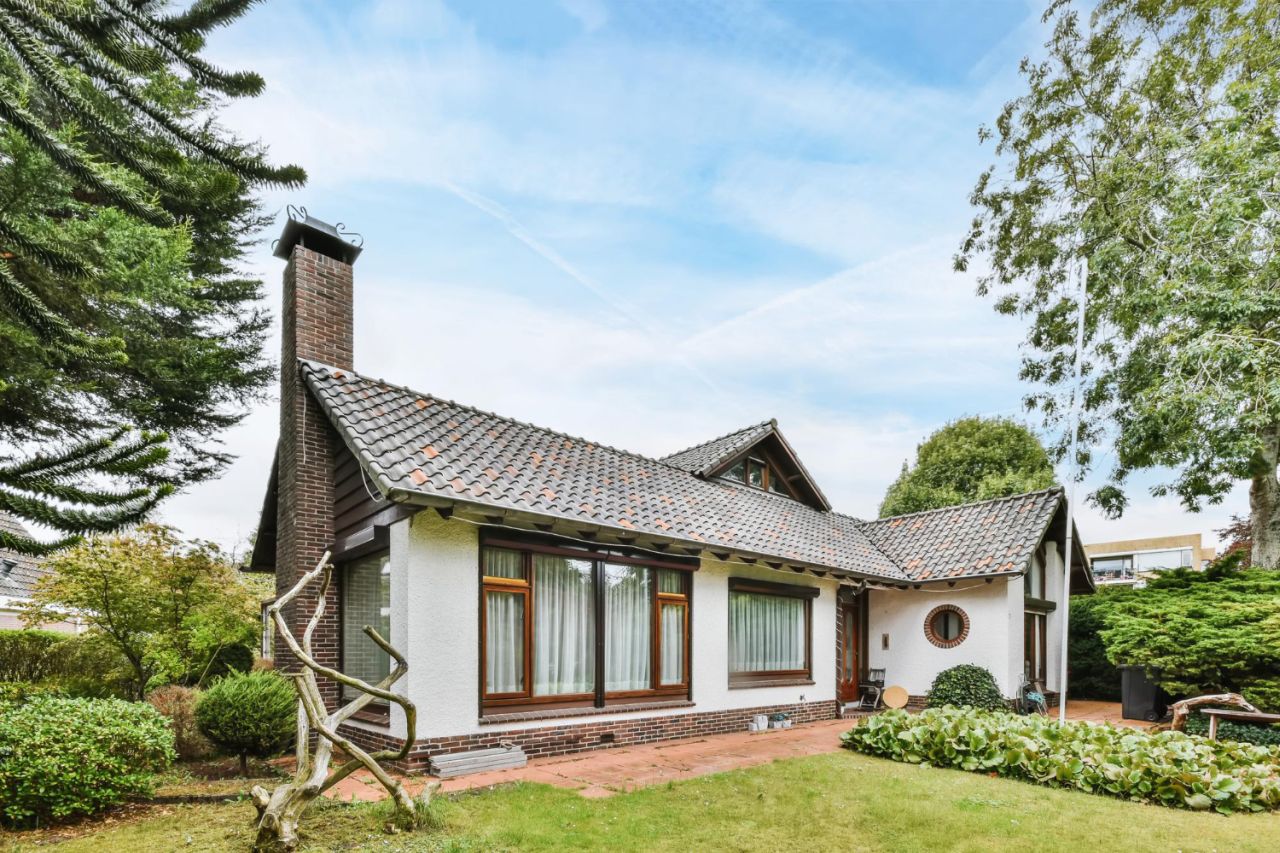
Another benefit is that it might save you a lot of money compared to buying a prefab home. Amazingly, you may save up to 30 percent on the value of the property when you design a new home to suit your needs and preferences. In addition, you'll be able to build a house that's nearly bigger than anything on the market now.
Increase Your Profits
Because most people who build homestays expect to live there indefinitely (after all, why wouldn't you? ), we left this one for last. It's tailor-made to fit your needs and preferences. It's conceivable that you'd get back somewhere around 25% of your initial investment if you sold the house in the future.
Hastings is home to our construction company, and if you're considering constructing your own house, we'd be pleased to discuss the options with you.
Your Home, Your Way
Building a home from the ground up allows you to tailor it to your own needs, preferences, and way of life in every detail. Everything about the house you plan to call home, from the foundation to the paint to the carpet, is up for grabs.
Self-building a house may be much easier than you think, especially if you start with a pre-designed plan that can be adjusted to meet your specific needs. You've found the best site to find a reliable and reasonably priced Melbourne builder! Look inside MJS Building.
Time Better Spent
There won't be any more stressful and exhausting weekend renovations of another home.
When you construct your own home, you can relax knowing that every detail will be attended to by professionals. While your dream house is being built, you'll have more time on your hands to pursue other interests. Keeping up with the newest advances in a home-building project will take far less time than attempting to accomplish everything alone.
Designed For The Future
We're all curious in how we can use today's cutting-edge tools in our everyday lives.
Given the current developments in domestic technology, why not take advantage of them by including things like sound systems, security, and smart homes into your new house design? It may be rather costly to update an older house with modern amenities. You may save a lot of money by developing your own home with these features from the start if you construct it yourself.
From The Ground Up
It's likely that the age of your home is masking a slew of issues you're not aware of, issues that might cost you a pretty penny and cause you a lot of stress as you try to track them down. If you buy a brand-new house, you can observe the construction process from start to finish, giving you an unparalleled understanding of your dwelling and the ability to pinpoint any potential issues with greater precision.
Easy Living
A new home has few needs in the way of upkeep and repair. Investing in roofing, siding, and exterior trimmings with long-term warranties ensures that your home will be safe, secure, and easy to maintain and live in. Many modern materials are designed to be more durable than their older counterparts, so your brand-new home will endure longer and be more robust than older ones.
A brand-new house seldom requires any kind of care in the way of repairs or upkeep. Investing in roofing, siding, and exterior trimmings with long warranties may help ensure a trouble-free home that requires little in the way of repairs and upkeep. Many modern materials have been developed to be more long-lasting than their more conventional equivalents, so your brand-new home will have a longer lifespan and be more robust than older ones.
Conclusion
Hopefully, this post has given you more reasons to construct your own house if you were on the fence about doing so previously. If you've always dreamed of having the home of your dreams at an affordable price, building it yourself may be a great option.
Not to add, it's possible to make money while having fun! In case you need help getting started, we have personnel available to walk you through each step of the procedure. Specifically, what are you hoping to enjoy? If you haven't already begun, now is the time to sketch up your dream home's layout.
Content Summary
- What you want, when you want it, exactly the way you want it.
- In case you're in the market for a new house but can't decide between a completely custom build and customising a production home (commonly known as "Semi-Custom"), we've produced a list of 10 reasons why you might want to consider building a truly custom build instead.
- Numerous individuals are opting out of the housing market in favour of building their own residences.
- However, there are many benefits to building that you might not have considered before, including cost savings and more freedom in the selection of a contractor, lot, and floor plan.
- Now, let's examine the benefits of building your own home.
- Reasons To Build Your Own Home A Future-Proof HomeWhile the phrase "future-proofing" can be used in a broader sense, the focus here is on the need of careful family planning.
- A custom home allows you to create a space to live that is tailored to your specific needs at the present time while also anticipating your wants and needs in the future.
- A custom-built house, on the other hand, gives you a fantastic chance to optimise your home's energy performance and substantially reduce your monthly power bills.
- A homeowner's quality of life may improve if they are able to entertain friends and family in style.
- Having a custom-built house to your specifications is a great way to show off your hospitality talents.
- You could, for instance, build a custom patio around an existing barbeque pit or in-ground pool.
- Custom-built houses are a fantastic opportunity for individuals to make a statement.
- You have the chance to create a home environment that is 100% you.
- Built Where You Want ItIt's important to consider the location of your future home before deciding on things like great room layouts or roofing materials, because that decision gives you a great deal of freedom.
- If you plan on starting a family, it's in your best interest to build your house in a neighbourhood with good schools or close to relatives.
- In addition, if you choose the right home builder, you may have your house built such that it harmoniously coexists with the surrounding landscape.
- It goes without saying that everything in a custom house is fresh new, but it's worth stressing nevertheless.
- When you entrust a homebuilder with your future, you get to decide on the optimal course of action.
- If so, Melbourne's MJS Construction Group is the firm for you.
- You Get More For Your MoneyYou should expect to pay more when buying a house through a broker or off the market.
- On average, the cost of building a new house is around 25% less than the cost of purchasing an already built house.
- It's Good For The SoulBuilding your own home may seem like a good idea if you're trying to save money, but there are better uses of your time.
- Building your own house is a once-in-a-lifetime opportunity.
- Nonetheless, are you familiar with its inner workings and construction?Making your own structure is the best way to learn about the construction process.
- You'll get a fresh appreciation for the builders' craft while also gaining a thorough understanding of your home's inner workings.
- A neighborhood's dynamic will change as a result of a new house being built there.
- If you've ever considered making your mark on the world, building a home in a sought-after location is a great option to consider.
- There's Plenty Of InspirationDo you find it difficult to think of new concepts, or to believe in your own abilities as a home designer or planner?
- A good place to start is by contacting an architect in your area who would be happy to help you out with the design process.
- You Can Meet Your Exact NeedsThe flexibility to make your dream house exactly what you want it to be is a major perk of doing your own home design.
- There won't be any hiccups in building your own home from the ground up.
- Your ideal house might be as near to perfect as you are willing to go with the help of an architect.
- How weary are you of hearing the sound of your own home collapsing?
- If so, you should build one yourself, taking care to use the best materials available.
- You might expect a very different result when you build anything from scratch.
- No More MortgageDo you want to never have to worry about paying a mortgage again?
- If that's the case, rather of buying an existing home, you may put your resources into constructing a brand-new one.
- Unfortunately, banks and other lending organisations are notoriously hesitant to provide mortgages and home loans for newly constructed homes.
- Investing in a long-term project that may pay off handsomely in the future is a great use of capital.
- While you may not be able to hit the "retire" button just yet, you may achieve a far healthier work-life equilibrium.
- Instead of buying a prefabricated house that may or may not meet your needs, you may design and build your own home from the ground up.
- With the help of a neighbourhood builder, you may finish the project's remaining 99 percent in no time.
- All of these suggestions are excellent ways to improve your new house and perhaps even raise its worth.
- In its place, it is up to you to create it exactly as you want it.
- Amazingly, you may save up to 30 percent on the value of the property when you design a new home to suit your needs and preferences.
- In addition, you'll be able to build a house that's nearly bigger than anything on the market now.
- It's tailor-made to fit your needs and preferences.
- Building a home from the ground up allows you to tailor it to your own needs, preferences, and way of life in every detail.
- Everything about the house you plan to call home, from the foundation to the paint to the carpet, is up for grabs.
- Self-building a house may be much easier than you think, especially if you start with a pre-designed plan that can be adjusted to meet your specific needs.
- You've found the best site to find a reliable and reasonably priced Melbourne builder!
- When you construct your own home, you can relax knowing that every detail will be attended to by professionals.
- While your dream house is being built, you'll have more time on your hands to pursue other interests.
- Keeping up with the newest advances in a home-building project will take far less time than attempting to accomplish everything alone.
- Given the current developments in domestic technology, why not take advantage of them by including things like sound systems, security, and smart homes into your new house design?
- It may be rather costly to update an older house with modern amenities.
- You may save a lot of money by developing your own home with these features from the start if you construct it yourself.
- From The Ground Up
- It's likely that the age of your home is masking a slew of issues you're not aware of, issues that might cost you a pretty penny and cause you a lot of stress as you try to track them down.
- If you buy a brand-new house, you can observe the construction process from start to finish, giving you an unparalleled understanding of your dwelling and the ability to pinpoint any potential issues with greater precision.
- Easy LivingA new home has few needs in the way of upkeep and repair.
- Investing in roofing, siding, and exterior trimmings with long-term warranties ensures that your home will be safe, secure, and easy to maintain and live in.
- A brand-new house seldom requires any kind of care in the way of repairs or upkeep.
- ConclusionHopefully, this post has given you more reasons to construct your own house if you were on the fence about doing so previously.
- If you've always dreamed of having the home of your dreams at an affordable price, building it yourself may be a great option.
- If you haven't already begun, now is the time to sketch up your dream home's layout.
Frequently Asked Questions About Building House
- Select a good block of land to build on. ...
- Build in less populated areas. ...
- Build only what you need and keep the layout simple. ...
- Consider going for prefabricated options. ...
- Opt for basic finishes and fittings.
Usually, 20% of the full value of the house is a good amount to aim for as a deposit. You can still get a loan if you have a smaller deposit, but you may need to take out Lenders Mortgage Insurance (LMI) which adds an additional cost to your loan. It'll also take longer to pay off.
The average cost to build a 4 bedroom house is $1,900 m2 to $3,900+ m2, depending on the level of finish, materials and labour. Builders and architects often use a per square metre (m2) figure to cost a project, including a 4 bedroom house like yours.
All costs include stamp duty. The cost of building includes land purchase, and assumes a first home owner concession on stamp duty where applicable. According to our figures, Perth is the only major Australian city where buying could be cheaper than building.



