
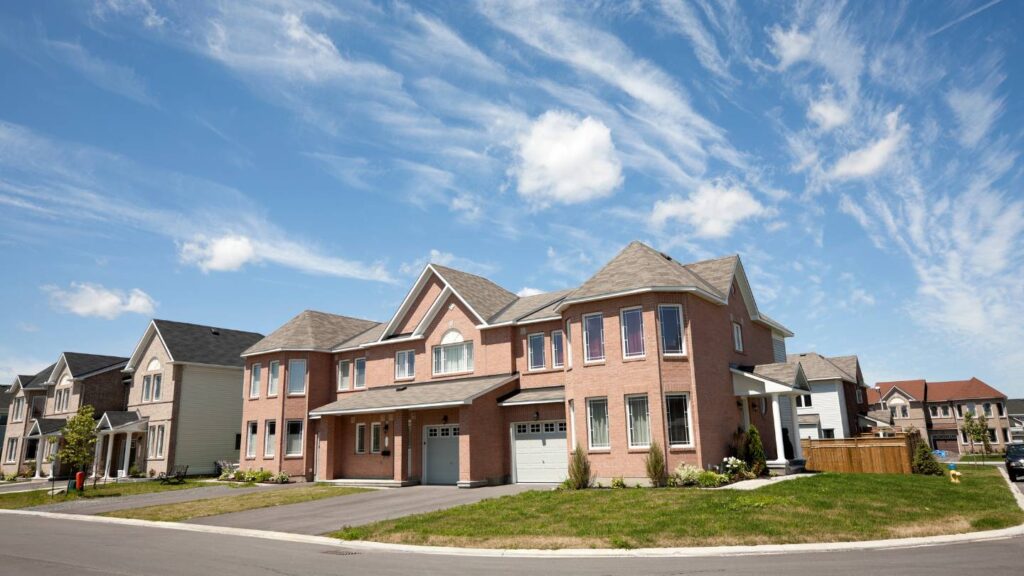
The townhouse problem is complex since it considers several factors, including short-term gratification, long-term responsibilities, and personal preferences in terms of lifestyle and finances.
There are several advantages to renting a townhouse, including more freedom, less maintenance, and fewer initial costs. Townhome ownership, on the other hand, allows you to put your stamp on your home while also creating an investment for the future.
This guide will go into detail about the most important things that affect the decision of whether to rent or buy, and it will also give you a full rundown of the pros and cons of each choice. We will look at the most important factors in your townhouse problem, such as the long-term effects on your wealth and property value and financial issues like mortgage payments versus monthly rent.
In addition, we will discuss lifestyle considerations, such as the amount of autonomy one has over one's home, the extent to which one may personalise it, and the assurance one feels from each option. Also, we'll talk about how things like interest rates, the state of the market, and the local real estate scene could influence your choice.
How Do Renting and Homeownership Differ?
However, whether to buy or rent is a huge step that impacts your plans, way of life, and bank account. You should think carefully about your budget and way of life before making a final decision. To keep up with both, you'll need a steady stream of cash (to cover the payments and other expenses), and you might have to work.
But buying a home is very different from renting one due to several factors. Because you aren't legally bound to your rental property, you have more freedom and don't have to worry about all the maintenance issues with homeownership. You get a lot out of owning a home, but there are a lot of costs involved, both initially and in the future.
Neither house ownership nor renting are always superior options, and neither is it always as cut and white as it appears. The main distinctions between renting and buying are highlighted here.
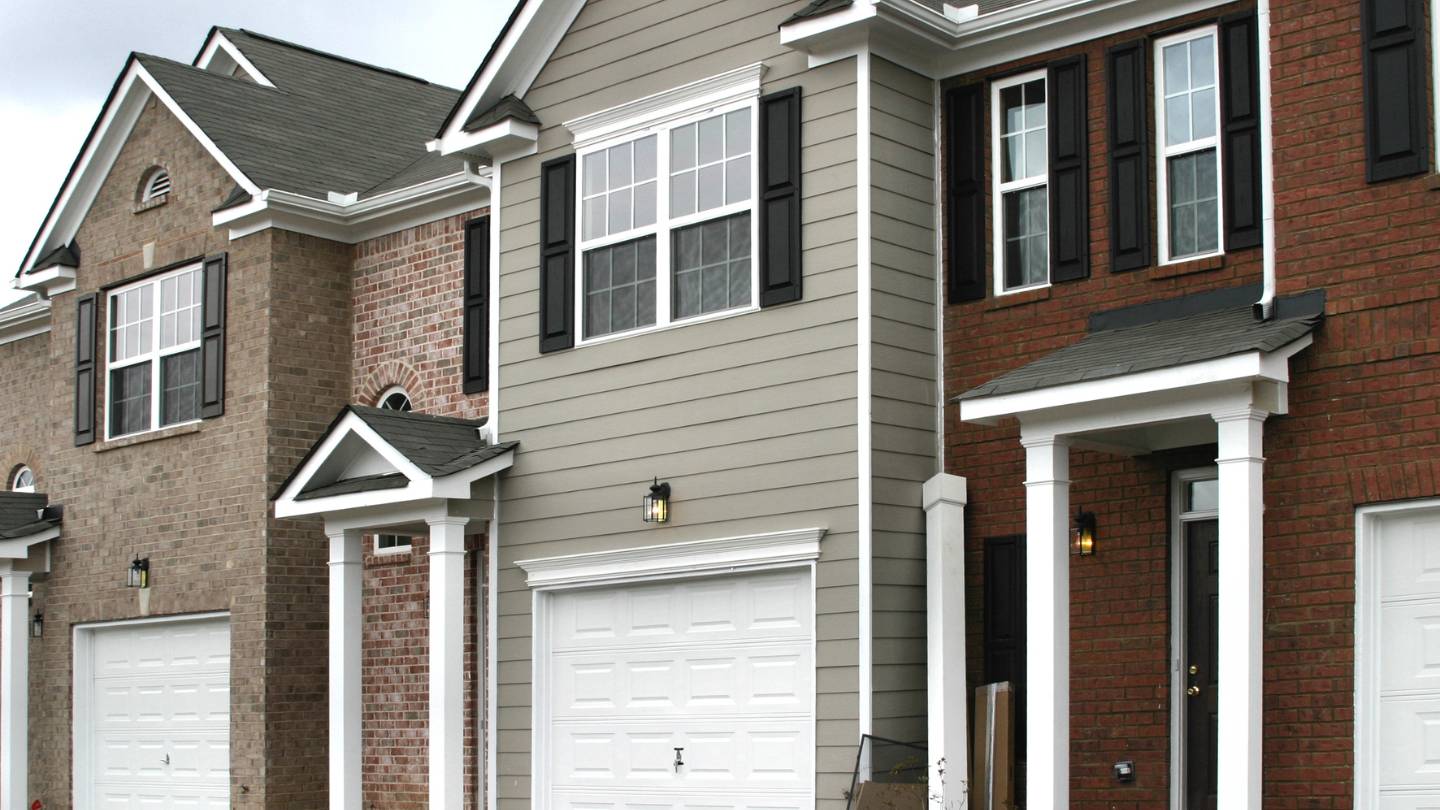
House Hunting
The most common misconception about renting is that you're just wasting money each month. No, that's incorrect. A place to call home is necessary; meeting that basic need will inevitably incur some financial outlay. At the same time, paying rent each month does not contribute to equity development; not all homeownership expenses do.
Renting gives you a clear picture of your monthly housing expenses. To help you prepare, your lease will include this amount. Depending on your situation, your landlord may incorporate additional expenses like storage fees, utilities, and HOA dues for condominium residents into that total.
When your lease is up for renewal, you can find that your rent goes higher. Some areas of town may see even greater hikes in rent. If you reside in a region where rent control or rent ceilings regulate the amount landlords are allowed to raise rent, this might not apply to you.
Having A House
There are both physical and intangible benefits to owning a home. In addition to having your own home, you can choose how it looks and is designed. You also feel stable and proud to own the place.
Because real estate is not easily traded, relocating could result in significant financial losses. The timing of your sales might be better. If the property market is in a slump, you might still need to receive the desired price even if you manage to get it. Selling your property still comes with hefty transaction fees, regardless of its condition.
Although a mortgage payment may be less than a rent payment, the total cost of homeownership is often greater than renting. As a homeowner, you'll have to shell out cash for things like these that, in most cases, renters don't have to:
- Eliminating unwanted pests.
- Clean the pool if you own one.
- Cutting down trees.
- Insurance against earthquakes (in certain regions).
- Insurance for homeowners.
- Renters may be obligated to pay for trash pickup by some landlords.
- Some property owners ask their tenants to cover the cost of water and sewer service.
- Dues on real estate.
- Flood insurance is mandated by lenders (in certain regions).
Townhouse Rental Pros and Cons
Tenants typically consider homes and apartments when searching for the ideal Perth rental, but townhouses are also viable options. Townhouses are gaining in popularity because they provide all the conveniences of an apartment with the space and seclusion of a house. A Perth townhouse rental has the following advantages and disadvantages.
The Benefits of Townhouse Rental
Low-Maintenance Landscaping
A modest yard or garden is often included with a Perth townhouse. You may still enjoy your outdoor space for entertaining guests, having a few plants, or letting the kids play without sacrificing your valuable spare time to tend to a large garden. In essence, it's a win-win situation.
Reasonable Pricing
Townhouses provide great value for money compared to houses with the same number of bedrooms and bathrooms because they are more expensive than apartments but cheaper than free-standing houses. It also implies that townhouses can be affordable in areas that are out of your price range.
Environmental Friendliness
Townhouses are a great, eco-friendly choice for anyone concerned about the world around them. Because townhouses often have fewer outside walls, they are better able to retain heat in the winter and lessen the impact of the summer sun. This is known as thermal efficiency. As a result, townhouses are a more cost-effective and environmentally friendly land use.
The Bad Things About Renting A Townhouse
Two-Story Layout
Townhouses' split-level layout has its advantages and disadvantages. For those who work shifts or have trouble sleeping through the night, having an apartment with multiple stories allows them to have their own space while still enjoying the conveniences of home. On the other hand, there are instances when the split-level design makes the room feel cramped and small. Finally, remember there will be more stairs due to the additional floors.
Neighbours' Proximity Reduces Privacy And Restricts
You can't help but notice that when you rent a townhouse in Perth, the sole physical barrier between you and your neighbours is a wall. Although this is a wonderful way to get to know your neighbours, it may annoy individuals who like their solitude or have parties often. It would always help if you were mindful of noise at all times due to the proximity to your neighbours.
The Extra Fees
While townhouses are cheaper than houses with the same number of bedrooms and bathrooms, they come with extra costs because everyone shares the building and facilities. For example, the shared areas must be maintained, and sometimes insurance is needed. These extra costs will depend on where the townhouse building is, how well it's kept up, and its features.
Everything You Ought to Know Before Buying a Townhouse
Have you ever thought, "Should I buy a townhouse?" You're in luck because this piece will give you a full answer to that question. Real estate is usually the most important thing people buy, so buying it is a big deal. That's why you should always buy a house promptly. If you decide too quickly, you might live in a house you don't like for years. If you have the time, waiting and finding the right home pays off.
Nonetheless, we're getting off-topic. Read on as we go over why a townhouse could be the best fit for your family and lifestyle if you've ever wondered if this is the kind of house for you.
Enter the Market Where You Want
Many people have their sights set on a certain neighbourhood or city. Schools, other facilities, distance to work, and other considerations play a role. On the other hand, a detached home may need to be within reach financially or in terms of available loans.
However, a townhouse is typically less expensive than a house in the same neighbourhood. For this reason, a townhouse may be an excellent entry-level housing option in several neighbourhoods.
Then, if your life improves, like if your wages go up or you get a second job, or if the market is good and you build up some wealth, you can sell your house and buy a bigger one, like a townhouse. Because of this, a townhouse is a great first home for people who are just starting.
Our Top Pick for Real Estate Investors
When investing in real estate, you must choose between flats, units, townhouses, and houses. Now, each has good and bad points. An apartment, on the other hand, is a great investment. This is because of a few things.
One advantage is the higher rental income compared to apartments and, in some cases, units offered by townhouses. This is because they provide more living space than apartments and are typically more modern than units. Tenants favour this.
Buying a townhouse off the plan or brand new gives you a lot of time before replacing any major components. Hardwood floors, for example, will survive for generations, whereas carpets will require replacing every ten years at the absolute least.
Better Confidentiality
Unlike apartments, another kind of strata property, townhouses provide more privacy. Common spaces in apartment buildings often include laundry rooms, outdoor patios, storage, and parking garages. Because of this, you typically encounter your neighbours, even on occasions when you would like not to.
On the other hand, a townhouse gives you more space. Maybe you share walls with your friends, but most of the time, they are so well insulated that you won't even hear them. These homes usually have outdoor spots, like gardens or places to eat outside. You can enjoy your time outside without having to share these.
Living Expenses Lower
Compared to single-family homes, townhouses are typically more affordable. Several factors are at play here, but their energy efficiency is the main. Older homes lack insulation, making them hot in summer and freezing in winter. Unless there's a sudden change in the weather in the fall or spring, you'll have to continuously operate the air conditioner or heater.
The cumulative cost of all that gas and electricity makes for hefty energy bills. Consider a townhouse next to a house. The energy efficiency and level of insulation in townhouses can vary greatly depending on their construction date.
Things You Should Look For In A Rental Home
Like purchasing a home, selecting a rental property is a major life event. Therefore, the final decision is the product of much effort and study. You may rest assured that you have selected the ideal rental property to meet your requirements and desires in this manner.
Can It Meet Your Space Requirements?
Whether it's a huge kitchen and dining room or a dedicated study, every renter wants a place that works for them. Take an unbiased look around the rental and determine if it has enough room for your belongings.
How Would You Describe The Possible Neighbours?
A rental home is genuinely judged by its neighbours. These questions can help you find a rental. First and foremost, is there enough privacy? In addition, are there any obvious noise sources, such as pets or young children?
Is Every Thing Operational?
Verify that all appliances and fixtures are functional during the rental inspection to avoid postponed move-in dates due to maintenance. Inspecting the electrical outlets, light switches, and toilets and making sure the washing machine and shower are all in working order is part of this.
Is the Space Sufficient?
The maximum consideration for renters is square footage. Consequently, consider the space's components when looking at a rental property, whether online or in person. To be more specific, can regular stuff be accommodated? Is there a place to put seasonal items or heavy machinery?
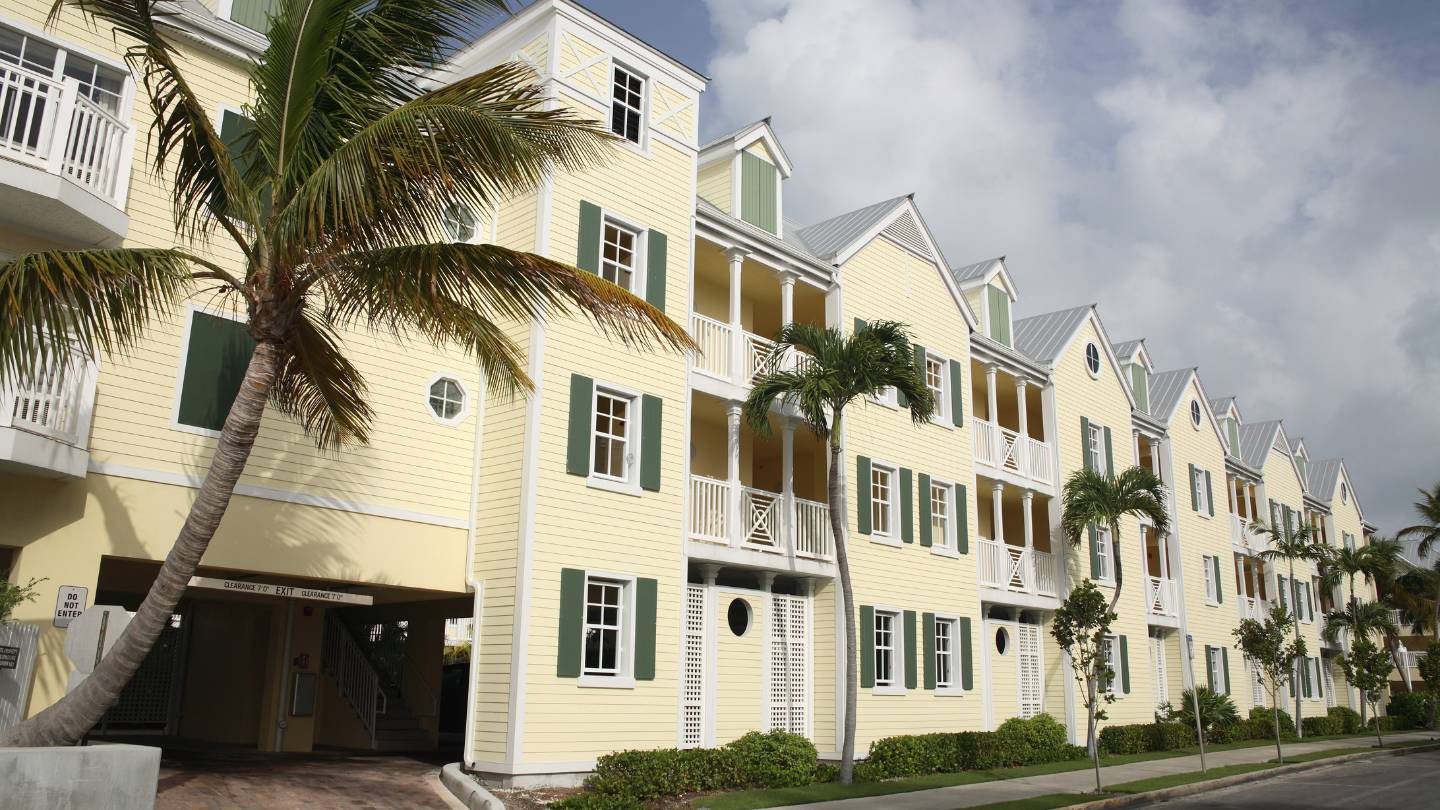
Things to Keep an Eye Out For When Renting
When looking for a rental, it's easy to get caught up in whether it suits your lifestyle and space requirements. However, there are other important factors to consider as well. Have a checklist ready so that you will be aware of the situation.
Protective Measures
Everyone desires a secure house. /For rental properties, look for safe parking garages, lighting and alarm systems, and electronic or gated access. You can tell how safe the rental is by immediately checking for these things.
Being Clean
If the walls and rugs are stained, the amenities are dirty, and there are signs of pests, this could be a bad sign. In the short run, there are better places to live than a dirty and bug-filled rental. So, if there is damage or pest trouble, the owner may blame you in the long run.
Suitable Parking
Driving around in circles to find parking after a hard day at the office is the worst. While doing the inspection, consider this and consider possible parking spots. In this manner, before signing a contract, you will be aware if there is a designated or shared area for you.
Real Estate Age
When examining a rental, it is critical to search for indications of the property's age. A home may have updated fixtures in the kitchen and bathrooms, but its foundation may be rather old. It is wise to gather all relevant information before signing a rental agreement.
Conclusion
The difficult choice between renting and buying a property is at the heart of the townhouse issue. Renting provides greater flexibility, lower upkeep, and lower upfront expenditures, whereas owning lets you customise your house and make a long-term commitment.
However, there are advantages and disadvantages to both options, including how each option would affect one's lifestyle, long-term wealth and property worth, and financial concerns such monthly rent vs mortgage payments.
Renting does not advance equity development, despite the common misconception that it is a monthly financial waste. While renting gives you a clear picture of your monthly living costs, keep in mind that landlords may add storage fees, utilities, and HOA dues. Rent increases are possible when your lease is up for renewal, and in certain places, the increases can be substantially higher.
Benefits of house ownership include feeling secure and proud of your property, controlling how it appears and is designed, and having control over your surroundings. Real estate is not readily sold, though, and there are still significant transaction costs associated with selling your home.
Compared to renting, owning a property frequently entails additional expenses for things like pest control, pool maintenance, tree removal, earthquake insurance, homeowner insurance, trash collection, water and sewer service, real estate taxes, and flood insurance.
Townhouse rentals in Perth include affordable rent, eco-friendliness, and low-maintenance gardening. They do, however, have several disadvantages, such as a two-story layout that may make the space feel small and claustrophobic and close proximity to neighbours that may limit their privacy.
Due to shared living areas and amenities, townhouses are more expensive than houses with the same number of bedrooms and bathrooms. The townhouse building's features, maintenance, and location all affect these additional costs.
For those just starting out, purchasing a townhouse makes sense because they are usually less expensive than purchasing a house in the same neighbourhood. You have to decide between houses, townhomes, apartments, and flats when making real estate investments. Townhomes provide superior insulation, more privacy, cheaper living costs, and higher rental income.
Think about things like neighbours, how much space you need, functional fixtures and appliances, and how much room there is when choosing a rental property. During the inspection, take into account things like privacy, sources of noise, and the efficiency of the fixtures and appliances. Think about the components of the area as well, whether it is virtual or physical, and if there is a designated area for bulky things or large machines.
A few things to think about when searching for a rental are safety features, upkeep, appropriate parking, and the age of the property. Safe parking structures, lighting and alarm systems, gated or computerised access, and regular maintenance are examples of protective measures. Appropriate parking can help prevent damage or insect problems, while cleanliness guarantees that the property is safe and clean.
Townhouses are a great option for people searching for a cosy and reasonably priced place to live. Before making a choice, it is crucial to investigate and evaluate various property kinds because they can offer a range of living possibilities and support your total financial security.
Content Summary
- The townhouse dilemma involves balancing short-term gratification with long-term responsibilities and personal preferences.
- Renting a townhouse offers more freedom, less maintenance, and lower initial costs.
- Owning a townhouse allows for personalisation and investment potential.
- Key decision factors include long-term wealth impact, property value, and financial considerations like mortgage vs. rent.
- Lifestyle factors, such as autonomy and personalisation, play a significant role in the decision.
- Market conditions, interest rates, and local real estate trends also influence the choice between renting and owning.
- Renting vs. owning is a major decision affecting lifestyle, financial plans, and stability.
- Renting offers flexibility and less responsibility for maintenance compared to owning.
- The decision is not always straightforward; it depends on individual circumstances.
- Renting misconceptions include the idea of "wasting money" which overlooks the necessity of housing.
- Renting provides predictable monthly housing costs and can include additional expenses.
- Rent increases can occur, especially in certain areas, though rent control may limit this.
- Owning a home offers tangible and intangible benefits like stability and customisation.
- Selling a home can be financially risky, especially in a down market.
- Total homeownership costs are often higher than renting, including unexpected expenses.
- Homeownership expenses can include pest control, pool maintenance, and various insurances.
- Renters may have to pay for services like trash pickup and water in some cases.
- Townhouses offer a blend of apartment convenience, house-like space and privacy.
- Townhouse rentals in Perth provide low-maintenance landscaping as a benefit.
- Townhouses are cost-effective compared to standalone houses.
- Townhouses are environmentally friendly due to better thermal efficiency.
- A drawback of townhouses is the split-level layout, which can feel cramped.
- Proximity to neighbours in townhouses can reduce privacy and require noise consideration.
- Extra costs in townhouse rentals include maintenance and insurance for shared areas.
- Buying a townhouse requires careful consideration to avoid long-term dissatisfaction.
- Townhouses offer an affordable entry into desired neighbourhoods or cities.
- Townhouses are a good starter home option, offering potential upward mobility.
- For real estate investors, townhouses offer advantages like higher rental income and modern amenities.
- Townhouses offer better privacy compared to apartments, with private outdoor spaces.
- Townhouses are generally more affordable and energy-efficient than single-family homes.
- When renting, it's important to assess if the property meets your space needs.
- Neighbours play a crucial role in the rental experience; consider privacy and noise factors.
- Ensure all fixtures and appliances are functional in a rental property.
- Assess the rental's square footage for adequacy and storage capacity.
- When searching for a rental, consider lifestyle, fit and space requirements.
- Look for security measures in a rental property, like alarms and gated access.
- Check for cleanliness and signs of pests in a rental to avoid future problems.
- Consider parking availability and convenience when choosing a rental.
- Examine the rental's age and potential maintenance issues.
- Updated fixtures in a rental don't always mean the property is new.
- Gather complete information about a rental property's condition before signing a lease.
- The decision between renting and owning a townhouse is influenced by personal and financial goals.
- Lifestyle preferences significantly impact the choice of renting or owning.
- Financial stability and the ability to cover ongoing costs are key in owning a home.
- Renting provides a fixed monthly expense, making budgeting easier.
- Owning a home requires considering potential market fluctuations.
- Renting offers immediate flexibility, while owning is a long-term commitment.
- The choice involves weighing immediate benefits against future investments.
- Lifestyle changes, like family expansion, can influence the decision.
- Ultimately, the choice depends on individual priorities, financial capacity, and lifestyle aspirations.
Frequently Asked Questions
Discuss the negotiation flexibility renters may have compared to the more structured purchasing process.
Explores how individual financial stability, creditworthiness, and future goals can impact the choice between renting and owning.
Discusses the potential for property value appreciation and how it factors into the long-term financial benefits of homeownership.
Addresses unique considerations for individuals navigating the real estate market for the first time.
Explores prevalent myths and misconceptions surrounding renting and owning to provide a clearer understanding.



