
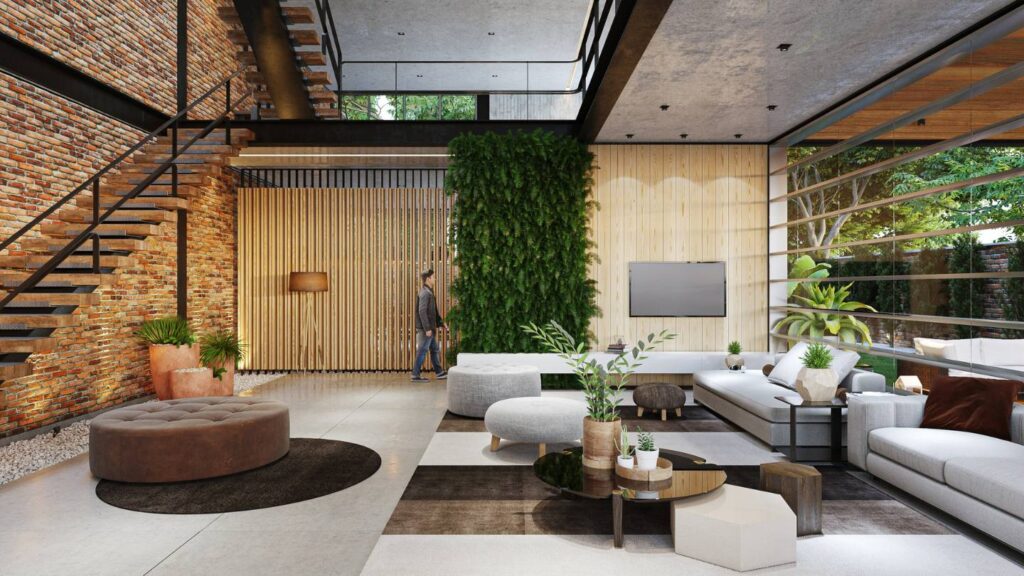
You have entered the realm of one-of-a-kind living quarters, where design and art come together to form a personal masterpiece. The process of designing a bespoke home goes beyond building walls and arranging furniture.
It involves bringing your personality, style, and unique style into the area. Throughout this process, you'll discover that incorporating art and design into your house becomes an effective tool for creating a space that reflects your unique style.
Come along as we delve into the intricacies of blending creative aspects with deliberate design, revealing the key to creating a custom house that embodies your unique spirit while still catering to your practical demands.
Defining Custom Home Building
Custom home building is an architectural style that emphasises uniqueness. Custom homes are made to fit the needs and tastes of the homeowner, as opposed to mass-produced tract homes or spec homes that are designed to sell as soon as they are finished. They are one-of-a-kind residences tailored to the needs of a particular customer and site.
Distinguishing Features
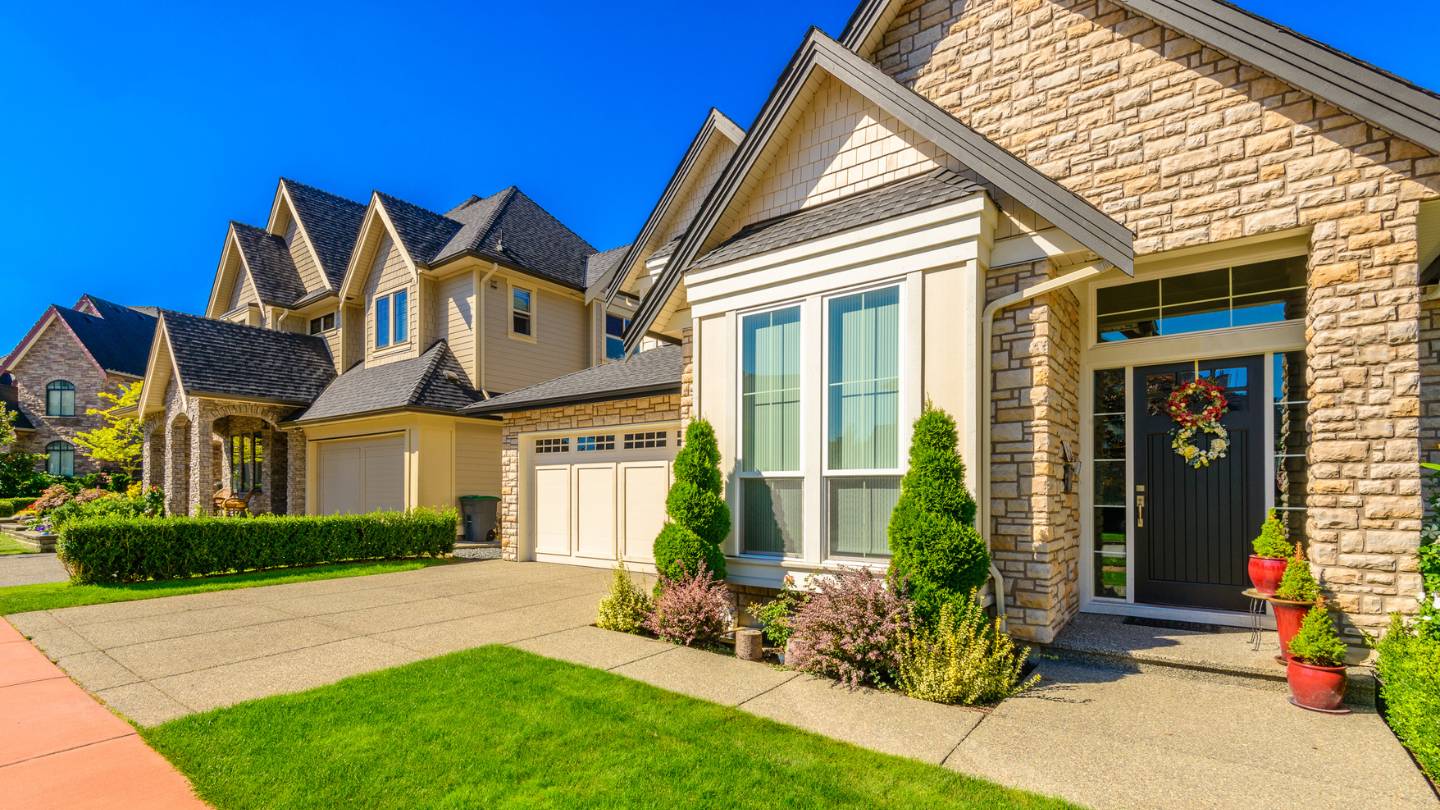
The unique characteristics of bespoke homes, as contrasted with tract or spec houses, are a major point of differentiation. Custom homes don't follow the same pattern as tract homes, which tend to have similar layouts and styles within a neighbourhood. Their layout, design, and, frequently, the materials utilised to make them are all one-of-a-kind.
Let us pretend you are interested in hiring a bespoke home builder to construct a mansion. After you provide some details about your ideal home, we'll create a 3D model and floor plan to help you visualise it.
Importance Of Integrating Art And Design In Custom Homes
Curated Art Collections
Adding a carefully curated art collection is one of the most eye-catching ways to decorate your own home with art. Look into other forms of art, styles, and artists that move you. To make artwork, sculptures, or photographs the showpieces of different rooms in your home, consider displaying them throughout.
Adding artwork to your custom home not only makes it more visually appealing, but it also sparks conversations, evokes emotions, and creates an immersive experience.
Statement Pieces And Installations
Your custom home can be given a dramatic boost and a breathtaking makeover by incorporating large-scale artworks or installations. Think about adorning the foyer with a monumental sculpture, the dining room with an enchanting chandelier, or a prominent living room with a striking mural. These eye-catching accents will bring personality to your house and spark conversations, making an impression on visitors and residents alike.
Personalized Decor And Accessories
Customisation extends past the artwork. Think about adding unique pieces of furniture and accents that represent your interests and life experiences. Display cherished family photos, mementoes from your travels, or volumes of your choice on shelves that were hand-built just for you.
Put elements in there that narrate your story and make people nostalgic. Your unique home will become a mirror of your life's journey when you incorporate personal touches like a record collection or antique antiques.
Customized Architectural Details
Personalise your home's architectural features to make it stand out from the crowd. Look into artisan finishes, intricate ceiling designs, or handcrafted millwork to give your space personality and reflect your style. Bring in aspects that reflect your aesthetic preferences or cultural background. Your property will be genuinely unique with these distinctive architectural touches that add personality.
Collaborating With Local Artists
By teaming up with nearby artisans, you may give your bespoke house a more regional feel while also supporting local artists. Collaborating with local artists fosters a sense of community and creates meaningful connections. Whether you hire a muralist to create a custom piece for your home, a sculptor to create a garden focal point, or a ceramicist to make handmade tiles for your kitchen backsplash, the results are always beautiful.
The Art Of Custom Home Building
Unleashing Creativity
The blank canvas that custom house development offers allows for the flourishing of creativity. Homeowners are able to collaborate closely with builders, designers, and architects to realise their dream home. Custom houses provide a platform to experiment with ideas, whether it's implementing sustainable features, combining novel architectural components, or creating one-of-a-kind places that reflect personal style. Working together, everyone makes sure that the homeowner's taste and preferences are reflected in every detail.
Tailored Functionality
Custom house building allows you to design a room that perfectly fits your demands and fits in with your lifestyle, which is one of its biggest advantages. Every detail can be customised to maximise utility and improve everyday life, from the design of the layout to the functionality of individual rooms.
Homeowners can collaborate with experts to fit their unique needs, like a home office, entertainment spaces, or a specific room for hobbies, into the design of their dream home. This customised approach guarantees that the house can accommodate both current and future needs.
Quality Craftsmanship
Expertise and care in building custom houses are hallmarks of this type of property. Careful planning and execution go into every step, from the groundwork to the last touches. Custom builders are able to produce homes that are superior to the market norm because they prioritise the use of high-quality materials and employ expert craftspeople. The end product is a house that is beautiful to look at and sturdy enough to last for generations, giving owners both financial security and piece of mind.
Energy Efficiency And Sustainability
Sustainability and energy efficiency are becoming top priorities for custom home builders in this age of increasing environmental awareness. Green building approaches allow homeowners to integrate sustainable materials, energy-efficient appliances, smart house systems, and solar panels.
If a homeowner wants to know about the most recent eco-friendly options, they should consult a custom home builder. Constructing a one-of-a-kind house allows one to lessen their impact on the environment while simultaneously making a functional and pleasant dwelling.
Personalized Expression
The homeowner's own character, beliefs, and dreams come to life in a custom home. Your home's atmosphere and personality are shaped by every decision you make, from the architecture to the interior design.
Homeowners have the freedom to express their unique personality through the selection of distinctive finishes, fixtures, and personalised elements. When people put so much thought and effort into their homes, they feel a strong emotional attachment to them and their belongings there.
Personalization Through Customization And Technology
Bringing your individual style and way of life into your house is the holy grail of custom home design. Here you can embark on a voyage of customisation, where your choices are reflected in every corner, texture, and fixture. In addition, we will delve into how technology plays a part in contemporary houses, improving efficiency, convenience, and comfort.
Designing For You: The Art Of Customization
At its core, personalisation is all about customisation. Your dream home is like a canvas; every decision you make is like a brushstroke. A home can become a sanctuary through the process of personalisation, which includes choosing finishes and modifying layouts.
Thoroughly record your preferences. Pick out materials, colour schemes, and furniture that speak to your sense of style. Take into account having furniture and fixtures made to order so they perfectly match your idea.
Architecture As Expression: Tailoring Spaces To You
You can modify the architectural details to suit your requirements. Take practicality into account in addition to looks. Make your home functional by creating an office where you can get work done, a reading nook where you can unwind, or a chef's kitchen where you can unleash your imagination in the kitchen.
Make use of anecdotes. Add touches that are meaningful to you, like a special spot for family artefacts or a photo wall filled with cherished moments.
Technology As A Living Companion: Enhancing Your Space
Take use of modern conveniences to improve your quality of life. The automation and convenience of a smart home are at your fingertips. Technology has become an insidious part of our homes, with mood-controlled lights and thermostats that memorise our habits.
Modern technology enables safety and efficiency. Efficient systems and smart appliances maximise resource utilisation. You can rest easy with an integrated security system because it gives you remote access to your property and allows you to monitor it.
Sustainability In Customization: An Eco-Friendly Approach
Personalisation is in line with eco-friendliness. Reduce your home's ecological footprint by selecting eco-friendly materials and finishes. Choose renewable energy sources, energy-efficient home appliances, and green building practices.
Finding a middle ground between nature and modernism. Integrate eco-friendly design features that complement your customisation endeavours without drawing attention to themselves. Some examples of environmentally friendly features include solar panels, rainwater collection, and natural ventilation.
Crafting Comfort And Convenience: Your Sanctuary Awaits
With customisation, you may design a haven that meets all of your needs. Whether you're dreaming of a luxurious bathroom hideaway or a state-of-the-art home theatre, personalisation is the key to making your living space reflect your interests.
Your technology changes to fit your way of life. By learning your habits and routines, smart homes may adapt their environment to meet your demands in terms of temperature, lighting, and safety. Living in this sensitive environment is a breeze.
The fabric of your ideal house is created by the interweaving of personalisation and technology. When you embrace personalisation, you make your mark on every corner of your home. The incorporation of technology improves sustainability, ease, and comfort.
Keep in mind that when we get into the world of safety and legal considerations in the following part, a home becomes more than simply a place to live; it becomes an extension of who you are thanks to personalisation and technology.
Legal And Safety Considerations
It is critical to familiarise yourself with the safety and legal considerations that control the building process as you begin the process of custom house design. If you follow the advice in this section, you can build a house that is both aesthetically pleasing and fully compliant with all applicable building codes.
Permits And Regulations: The Legal Foundation
To develop lawfully, you need permits. You need to get all the required permits from the local authorities before construction can start. Your home must comply with all zoning restrictions and building codes in order to obtain these permits.
Gather information about local regulations and follow them. There are different rules and prerequisites in effect in different areas. Before you start designing, make sure you know all the legal implications, such as zoning limits and setback requirements.
Safety First: Protocols And Precautions
Keep safety as a top priority all through the building process. It is imperative that all safety measures are followed, from the groundwork to the last touches. In order to avoid harm, contractors and workers must follow all safety regulations.
Keep yourself updated on safety regulations. Read up on the rules and regulations that pertain to construction safety. You are now more equipped to make your building site a safe place for everyone thanks to this information.
Structural Integrity: The Role Of Building Codes
Structural integrity is guaranteed by building codes. Minimum requirements for design, building, and occupation are outlined in these codes. If you build your house according to these standards, you may rest assured that it is safe for people to live in.
Collaborate with experts who are code-savvy. Builders and architects that specialise in one-of-a-kind house plans have extensive knowledge of local ordinances. To make sure your design complies with all regulations, work with them.
Quality Assurance: Inspections And Approvals
When it comes to quality and safety, inspections are like checkpoints. The purpose of a building inspector is to verify that all aspects of a project are up to code and safe for occupants. Having your home inspected might provide you peace of mind that everything is being done right.
Inspections may occur. Get all the paperwork and completed tasks available for evaluation and make sure your construction crew knows when inspections are scheduled.
Contractual Clarity: Protecting Your Interests
Your best defence is a well-defined contract. The duration, location, and kind of payment for the work should all be specified in the contract with the contractor or subcontractor. Your interests and the avoidance of confusion are safeguarded by this legal instrument.
Seek the advice of attorneys as necessary. When drafting contracts, it can be really helpful to have legal counsel. In order to safeguard your rights during the construction process, it is recommended that you have professionals evaluate the contracts.
A significant portion of the process involves navigating the safety and legal considerations associated with bespoke home design. You are laying the groundwork for your ideal home to come to life by acquiring permits, following safety standards, learning about building codes, and making sure contracts are clear.
As we near the end of this guide, keep in mind that the rules and regulations aren't obstacles, but rather protectors who will make sure your ideal house is both a spectacular work of art and a safe place to live for all your loved ones.
Conclusion
Custom home building is an architectural style that emphasizes uniqueness, focusing on creating one-of-a-kind residences tailored to the needs and tastes of the homeowner. It involves incorporating art and design into the space, creating a personal masterpiece that reflects the homeowner's personality and style. Custom homes are distinct from mass-produced tract homes or spec homes, as they have unique layouts, designs, and materials used.
Incorporating art and design in custom homes can be achieved through curated art collections, statement pieces and installations, personalized decor and accessories, customized architectural details, and collaboration with local artists. This allows homeowners to experiment with ideas, such as implementing sustainable features, combining novel architectural components, or creating one-of-a-kind places that reflect personal style.
Tailored functionality is another advantage of custom home building, as every detail can be customized to maximize utility and improve everyday life. This approach ensures that the house can accommodate both current and future needs. Quality craftsmanship is a hallmark of custom homes, with careful planning and execution going into every step. Energy efficiency and sustainability are becoming top priorities for custom home builders, as they integrate sustainable materials, energy-efficient appliances, smart house systems, and solar panels.
Personalized expression is another key aspect of custom home design, as homeowners can express their unique personality through distinctive finishes, fixtures, and personalised elements. By incorporating technology into the design process, homeowners can bring their individual style and way of life into their home, resulting in a more functional and pleasant dwelling.
Customisation is the art of creating a sanctuary in your dream home. It involves choosing finishes, modifying layouts, and incorporating your preferences into the design process. This includes choosing materials, color schemes, and furniture that speak to your style.
Architecture can be tailored to suit your needs, making your home functional and meaningful. Technology can enhance your space by providing automation and convenience, while eco-friendly features like renewable energy sources and green building practices can help reduce your home's ecological footprint.
The fabric of your ideal house is created by the interweaving of personalisation and technology, improving sustainability, ease, and comfort. Legal and safety considerations are crucial during the building process, as they control the building process.
To develop lawfully, you need permits and regulations from local authorities, which must be followed. Safety is a top priority throughout the building process, and contractors and workers must follow all safety regulations. Building codes ensure structural integrity, and collaborating with code-savvy builders and architects can help ensure compliance.
Quality assurance is achieved through inspections and approvals, which verify that all aspects of a project are up to code and safe for occupants. A well-defined contract with a contractor or subcontractor is the best defense against potential conflicts. Seeking legal counsel when drafting contracts can help protect your interests during the construction process.
In conclusion, customisation and technology play a significant role in creating a beautiful and safe home. By adhering to safety and legal considerations, you can create a home that is both aesthetically pleasing and a sanctuary for your family and friends.
Content Summary
- Embark on a journey of one-of-a-kind living with the integration of art and design in your custom home.
- Designing a bespoke home goes beyond building walls, involving a blend of personality, style, and unique elements.
- Bespoke homes emphasize uniqueness, tailored to the homeowner's needs and tastes.
- Distinguishing features set custom homes apart from mass-produced tract houses with unique layouts and designs.
- Collaborate with a bespoke home builder to visualize your dream mansion through 3D models and floor plans.
- Curate eye-catching art collections to decorate your custom home, sparking conversations and creating immersive experiences.
- Incorporate statement pieces and installations for a dramatic and breathtaking makeover of your home.
- Personalize decor and accessories, displaying cherished items and creating a unique reflection of your life's journey.
- Customize architectural details, including artisan finishes, intricate ceiling designs, and handcrafted millwork.
- Collaborate with local artists to add a regional feel and support the community, fostering meaningful connections.
- Custom house development unleashes creativity, allowing homeowners to experiment with ideas and personal style.
- Tailored functionality in custom homes ensures every detail is customized to maximize utility and improve everyday life.
- Quality craftsmanship in custom homes prioritizes high-quality materials and expert craftsmanship for durability.
- Sustainability and energy efficiency are prioritized, integrating eco-friendly materials and energy-efficient appliances.
- Personalization in custom homes brings the homeowner's character, beliefs, and dreams to life.
- Technology enhances customization, improving efficiency, convenience, and comfort in contemporary homes.
- Personalization involves thorough recording of preferences, selecting materials, color schemes, and furniture.
- Modify architectural details for practicality and functionality, creating spaces tailored to specific needs.
- Use technology as a living companion with smart home automation for improved quality of life.
- Sustainability in customization involves selecting eco-friendly materials, renewable energy sources, and green building practices.
- Craft a comfortable and convenient sanctuary through customization that reflects your interests and lifestyle.
- Personalization interweaves with technology, creating a home that is both unique and technologically advanced.
- Legal and safety considerations are crucial in the custom house design process.
- Permits and regulations form the legal foundation, ensuring compliance with zoning and building codes.
- Safety is a top priority, requiring adherence to safety measures throughout the building process.
- Structural integrity is guaranteed through compliance with building codes, ensuring safety for occupants.
- Quality assurance involves inspections to verify code compliance and safety for occupants.
- Contracts provide contractual clarity, specifying duration, location, and payment terms to protect interests.
- Seeking legal advice when necessary helps safeguard rights and prevents confusion during construction.
- Navigating safety and legal considerations lays the groundwork for bringing the ideal home to life.
- Acquiring permits ensures a lawful development process and compliance with local authorities.
- Understanding local regulations and zoning limits is crucial for legal compliance in custom home building.
- Prioritizing safety through adherence to safety regulations is imperative for all contractors and workers.
- Compliance with building codes ensures structural integrity, creating a safe living environment.
- Inspections act as checkpoints for quality and safety, providing peace of mind for homeowners.
- Having paperwork and tasks ready for inspections ensures a smooth evaluation process.
- Well-defined contracts protect interests, specifying terms and preventing confusion during construction.
- Legal advice during contract drafting safeguards rights and ensures clarity for all parties involved.
- Rules and regulations are protectors, ensuring a spectacular work of art that is also a safe living space.
- Bespoke homes reflect personal style, integrating art and design for a unique and immersive living experience.
- Collaboration with local artists fosters a sense of community and meaningful connections in custom home building.
- Customization allows for experimentation with sustainable features, novel architectural components, and unique spaces.
- Tailored functionality ensures that every aspect of the home is customized to meet specific needs and preferences.
- Sustainability and energy efficiency in custom homes contribute to a reduced environmental impact.
- Personalized expression in custom homes reflects the homeowner's character through architectural details and interior design.
- Modern technology enhances efficiency, convenience, and comfort in custom homes.
- Legal and safety considerations are crucial steps in the custom house design process.
- Permits and regulations provide the legal foundation, ensuring compliance with local authorities.
- Safety measures are imperative throughout the building process, protecting contractors, workers, and homeowners.
- Well-defined contracts and legal advice safeguard interests and prevent confusion, ensuring a safe and aesthetically pleasing custom home.
Frequently Asked Questions
Integrating art and design in your custom home adds a layer of personalization, elevates aesthetic appeal, and creates a unique atmosphere that reflects your individual style and taste. It transforms a living space into a dynamic, visually engaging environment.
Start by considering your preferences, collecting inspiration from various sources, and exploring different design styles. Pay attention to colors, textures, and patterns that resonate with you. Consulting with a professional designer can also help clarify your style and bring your vision to life.
Choose artwork that complements your design style, resonates with you personally, and enhances the overall theme of your home. Consider the size, color palette, and medium of the artwork in relation to the space it will occupy.
Focus on architectural elements that enhance the display of art, create focal points for artwork, and maintain a balance of scale and proportion. Collaborate with architects and designers who understand how to integrate these elements cohesively.
Absolutely. Customized furniture and decor allow you to tailor every aspect of your home to your preferences. Work with skilled craftsmen or designers to create bespoke pieces that complement your design aesthetic and serve your functional needs.



