
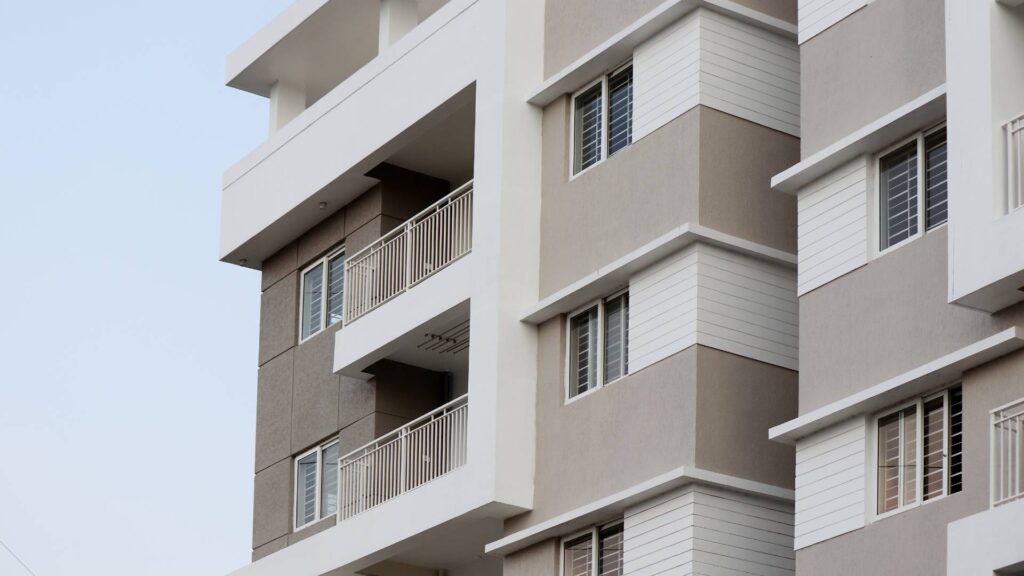
The geographical choice greatly affects an apartment complex's success and attractiveness. Aesthetics and accessibility aren't the only criteria that must be carefully considered throughout this procedure. For developers, investors, and city planners, "What factors should be considered when selecting a site for an apartment complex?" is fundamental.
It considers many factors, such as the site's accessibility, the needs of the surrounding population, zoning regulations, and real estate market trends in the area. If you want to make smart choices that fit in with your company goals and the expectations of the people who will live there in the future, you need to comprehend these factors. Therefore, this book aims to delve into the various aspects of choosing the perfect spot for an apartment building, ensuring that it serves the development's long-term objectives and offers residents a pleasant and convenient place to live.
The Important Factors For Site Selection
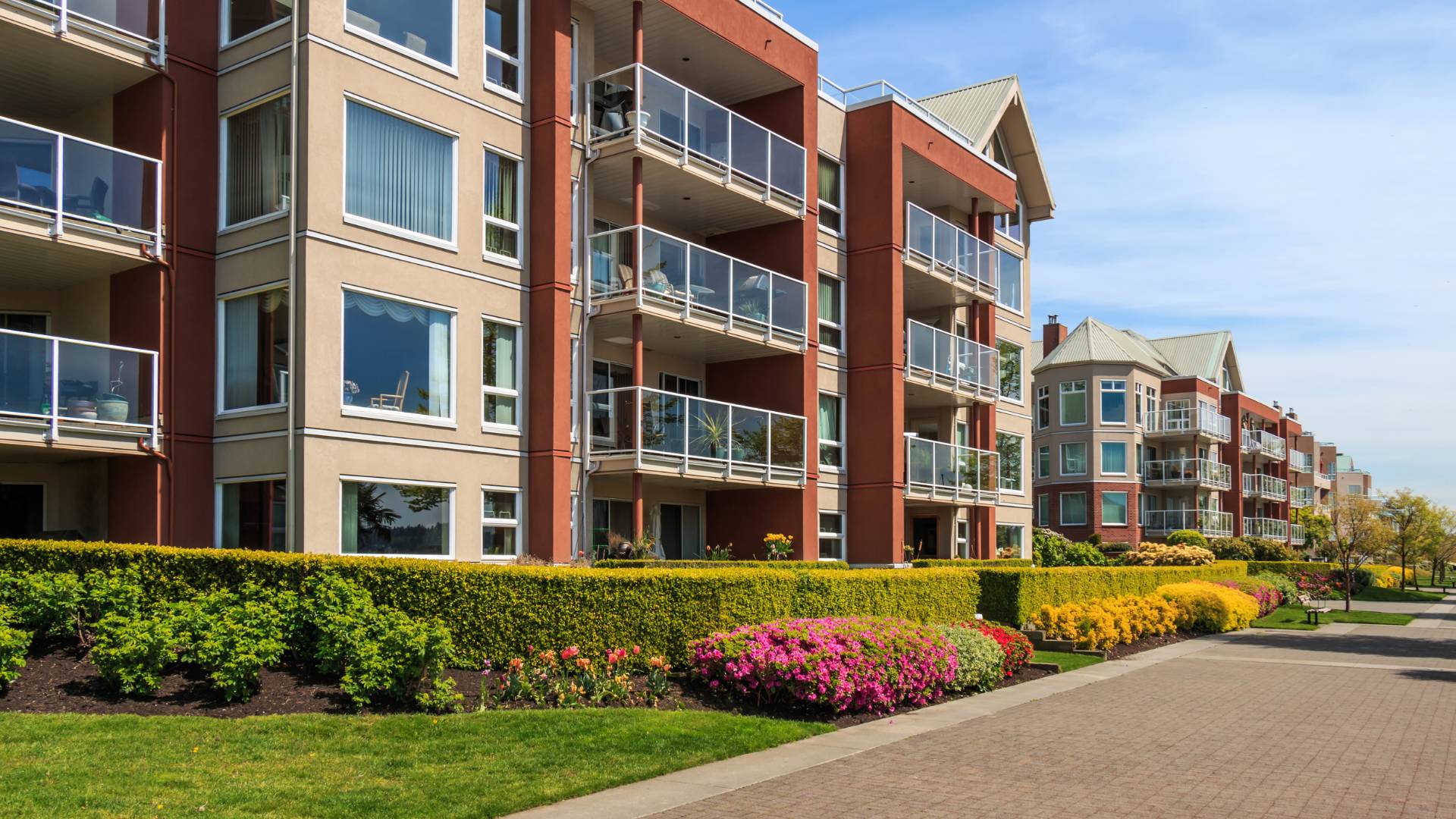
How much would an apartment with all of our necessities cost? Envision yourself buying a home with every essential amenity you could ever desire, and standing before you are all these things. The majority of residential projects' facilities are not free. Basic facilities are your right as a buyer, and you shouldn't feel pressured to shell out a tonne of cash to get them. When sellers list their units for sale, it's a good time to discuss this.
In today's blog post, we'll go over the essential features that every apartment should have. In other words, when you see apartments for sale, what are some of the most fundamental features you should seek in a residential development?
System For Safety And Security
The security system a home has to give is the most significant thing. Only go through with a house purchase after ensuring an adequate security system. One or more monitored CCTV cameras, a guard, or an advanced security lock system are the modern necessities of any good security system. In a modern home, they are the bare minimum. Contrarily, a fire alarm system will have one on every story in addition to fire extinguishers. Important fire extinguishers also include buckets of sand that are painted red. Talk to the vendor about these two conveniences in detail. There can be zero tolerance for endangering people's safety.
Getting Water And Electricity
Considering the current state of water scarcity, only a few urban areas can be considered truly influential. As a sales tactic, some consumers tend to gloss over this detail. However, as a buyer, you should be aware of all of these, and a good way to verify this is to ask about the community. It would help if you talked to other locals to learn more about the water issue in that area. If it is still an issue, you should enquire with the vendor about potential solutions so you may continue to enjoy a constant flow of water without interruption. Before purchasing a home, ensure that you gather this information.
The company has the authority to deal with electrical matters. On the other hand, a longer power outage could occur during an unexpected event. If you want to ensure your power won't go out, a reliable vendor will provide you with a backup generator. Attempting it after dark can be quite challenging. There may be an additional charge if the seller provides the backup power source, but paying for that is acceptable.
All Floors Can Be Reached
An elevator must be in each apartment building with more than three stories. Guests residing on the upper floors should pay extra attention to this. Additionally, some owners lock the patio floor for security reasons. If you need an extra key to get into the open area, ask your buyer for one. Doing so will assist in avoiding disagreements once you have purchased the residence.
Plenty Of Empty Space
These days, free space availability is the one thing that properties lack. Even though we're all squished together in a concrete jungle, our safety and well-being need breathing room between our homes. You should check the apartment complexes' side-to-side clearances before purchasing a unit. In some spots, the angle is so acute that there is barely a few inches of space between the buildings. Doing this can be extremely risky and difficult. Even when doing routine maintenance, it becomes an issue.
Ventilation
Sunlight and fresh air are pleasures that all humans share. A darkroom is the best way to describe a home with insufficient lighting. Please verify that the home has adequate ventilation before you buy it. When renting out an apartment, it is a must-have amenity that the landlord should provide. There will be more positivism and a more pleasant mood in a home with good ventilation. A house with enough natural light is more pleasant and aids with many health issues.
Maintenance
Keeping up with the building association's maintenance fee makes proper upkeep all the more important. It is important to regularly clean and sanitise the premises and water tank as part of maintenance. Keep the floors clear of dust and tend to any gardens, removing fallen leaves and other plant debris. Additional maintenance tasks include regularly emptying trash cans for the residents' well-being.
Competitors
When studying a site, ensure it works with the stores in the area. The best place to set up a shop is next to other businesses that cater to the same demographic and provide complementary goods and services.
Adjacent to a café and a nail salon, for instance, might be an ideal spot for your upscale boutique. You might want to consider setting up a shop close to a vintage store or concert hall if you own a record store. Using this approach, you are contributing to a larger retail experience than you could provide alone.
Similarly, if your competitor is an established brand, you should only open a shop a short distance away from them. If you are competitive, you'll have to figure out how to attract clients away from your rivals and into your business.
Parking
Parking availability is crucial for your business, except in major cities. Can you tell us how often you were so frustrated trying to find parking that you skipped the store altogether? Retailers would do well to adhere to the 3:1 ratio, which states that there should be three parking spaces for every square foot of a store.
Parking should be easily accessible, and the garage or lot's design should also be considered. It can discourage customers from returning if parking is easy, but they need help getting into the spots due to too short lanes or spaces.
Costs
Take into account all expenses that can have an impact on your profit margin, not only the rent. How much does it cost to contribute to lawn maintenance, utilities, and security if you are located in a retail strip? How much extra will the marketing budget need to be if the location is remote? Is the place in good enough shape to move into, or does it need a lot of work done first? How much does shared space maintenance cost you? These expenses can build up rapidly, turning a relatively inexpensive choice into a financial nightmare.
What Does A Good Apartment Building Have?
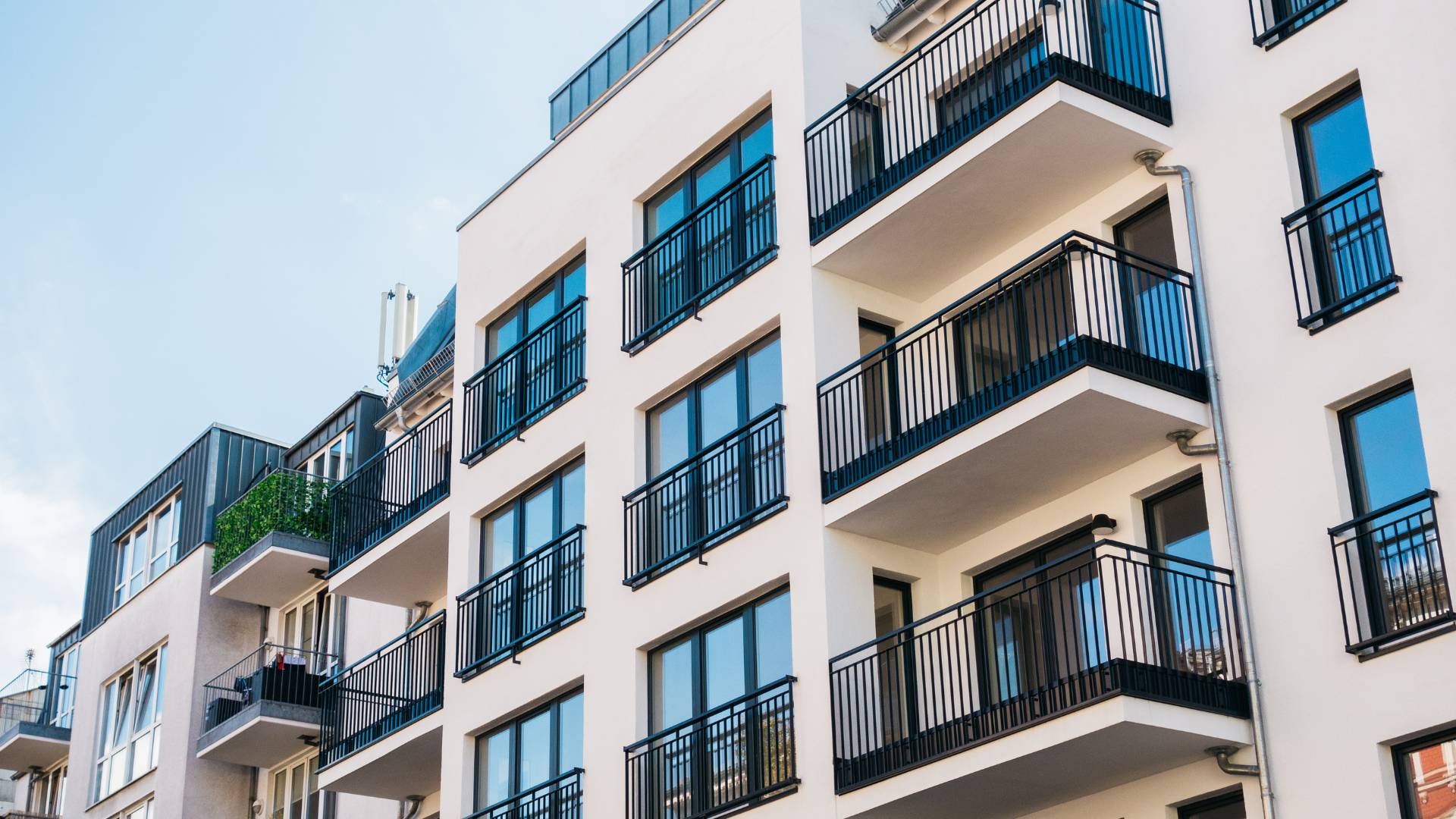
An apartment complex presents various advantages for investors, including a stable revenue stream, favourable tax treatment, and potential asset appreciation.
But to get the most out of it, you should know how to keep your apartment complex appealing.
You may have heard that great apartment buildings are in high demand, and you've pondered what that implies.
A short checklist for selecting a quality apartment complex is provided here.
Things That Make A Great Apartment Building
Ideal Location
People place a high value on location because of considerations like proximity to public transportation and other conveniences. An excellent location for an apartment complex would have a low crime rate & be close to restaurants, shops, and supermarkets.
Build Quality
An apartment needs to have an attractive façade and sound control measures installed inside to lessen the effect of outside noise.
Many people like apartments with many windows because they let in more natural light.
Speaking of illumination, renters place a premium on well-placed safety features, such as well-lit corridors and entryways, at night.
Ensure nothing is unsightly hanging outside your apartments, such as water meters, electrical equipment, or any other installation.
Well-Maintained
An excellent flat is meticulously kept in various ways. The entire space must be tidy and free of any leftover rubbish. A decent apartment complex will have pest- and rodent-free grounds with aesthetically pleasing landscaping.
The outside of a decent apartment building should be neat, with no loose windows or slanted light poles. There must be order in the corridors and a tidy location for the trash cans beside the exit. Apartments with plenty of parking spots that are well-paved are a must-have.
Clean And Enough Space Inside
Equal importance is placed on the inside and outside of an apartment complex. So, ensure the apartment has proper ventilation, the interiors are well-finished, and the hallways leading to the units are clean and well-lit.
It is imperative that any visible indicators of damage, such as graffiti, peeling paint, or general wear and tear, be remedied without delay to preserve the property's aesthetic value.
Responsive Management
It is important to have management that can respond swiftly to maintenance requests and unforeseen demands. Access to emergency resources should be readily available, and they should be simple to reach.
Amenities
Pools, common areas, outdoor spaces, security systems, balconies, laundry facilities, and parking are all characteristics of high-quality apartment complexes.
If you're limited to only a handful, focus on those that will set your apartment complex apart.
Security Measures
A comprehensive surveillance system that discourages criminal activity is essential to any respectable apartment complex's security measures.
Ensure the parking lot is well-lit, and consider getting an intercom or buzzer to contact the apartment buildings.
Apartments with good security features include lower-floor window bar locks, automated external doors, and deadbolt locks. Important policy changes for new tenants should also be considered.
Energy Efficiency
An ideal apartment would have efficient energy use. Tenants will save money on utility costs, and the environment will benefit from this.
Putting in energy-efficient windows, a smart thermostat, and quality exterior insulation are other strategies to keep energy efficient.
Affordability
Reasonable prices are crucial. Ensure that your rent per square foot is competitive and tenant-friendly compared to comparable apartment complexes.
Continuous Improvement
Consistent communication with residents is essential for a good apartment complex to grow and improve continuously. How you answer your renters' requests will reflect on you, and maintaining open lines of communication is key to building rapport with them.
Best Apartment Essentials
Layout
Anyone looking to rent or buy an apartment would appreciate a well-designed floor plan that uses the available space well. Extra living space, such as balconies and courtyards, can be created using existing spaces.
Pet Friendly
There are a lot of people that have dogs and treat them like family. Consequently, cater to your furry friends' needs by making your flat pet-friendly.
Remember that a limited supply of pet-friendly apartments could be your chance to stand out.
Living Conditions
Some nuisances, including dirt, dust, and damp walls, may turn off potential buyers and renters. The apartments should not have crumbling walls and should be neat and well-maintained. This may impact the overall health of your inhabitants.
Storage
Having more room to store things is a great perk since it allows people to live more clutter-free lives. Always keep storage areas dry, clean, and protected from moisture. Having easy access is a major perk.
Conclusion
When picking a location for an apartment complex, it's important to think about things like how easy it is to get to, the wants of the people in the area, zoning laws, and real estate market trends. Every apartment should have a security system, access to water and power, elevators, lots of open space, air flow, maintenance, and other apartments to choose from.
Advanced locks and fire alarms are must-haves for security systems that should be watched over. Many cities have problems with not having enough water, so it's important to find out what those problems are and how they might be fixed. A dependable supplier can offer a backup generator to keep the power on.
It is possible to get to every floor, and apartment buildings with more than three stories must have lifts. The guests on the upper floors should know this and ask for an extra key to get into the open area. Good air flow is important for a good mood and can also help with health problems.
Maintenance is also very important. This includes keeping the building and water tank clean and sanitised, taking care of grounds, and emptying trash cans. To make a bigger shopping experience, you need to think about where your rivals are located, like coffee shops, nail salons, vintage stores, or concert halls.
To sum up, picking the right location for an apartment building requires careful thought about things like safety, accessibility, water availability, ventilation, upkeep, and competition. Developers, investors, and city planners can make choices that are in line with their long-term goals and give people a nice, easy place to live if they understand these factors.
For investors, a good apartment building is important because it provides a steady stream of income, good tax benefits, and the chance for the value of the asset to rise. To get the most out of it, think about the following: the best location, the quality of the construction, how clean it is, how responsive the management is, the services, the safety measures, how affordable it is, how energy efficient it is, and how often it is improved.
Having a low crime rate and being close to public transportation are all things that make a place great. The outside of the building should look nice, there should be ways to block out noise, and the hallways and entrances should be well lit. Also important are clean areas inside and outside. For quick repair requests and unplanned needs, you need management that is responsive.
Pools, common areas, outdoor places, security systems, balconies, laundry rooms, and parking should all be available as amenities. Complete video systems, well-lit parking lots, and windows, thermostats, and insulation that use less energy are all good security measures.
Affordability is very important, with fair rent per square foot and living conditions that are good for tenants. To get along with people, you need to talk to them on a regular basis.
One of the most important things for a good apartment is a floor plan that makes good use of the room and lets pets live in the building. Clean and well-kept living spaces are important because dirt, dust, and damp walls can turn people away who want to buy or rent. Storage should be clean, dry, and away from water, and it should be easy to get to.
Finding a good apartment building requires careful thought about its location, quality, amenities, safety measures, cost, and commitment to ongoing growth. By paying attention to these things, buyers can get the most out of their money when they buy an apartment complex that looks good.
Content Summary
- Choosing the right site for an apartment complex is crucial for its success and attractiveness.
- Accessibility, population needs, zoning regulations, and market trends are key factors in site selection.
- Understanding these factors aligns development goals with future residents' expectations.
- Security systems, including CCTV, guards, and fire safety measures, are essential for apartment complexes.
- Water scarcity and reliable electricity supply are critical considerations for potential sites.
- Backup generators should be available for power outages, enhancing resident convenience.
- Elevators are necessary in buildings over three stories to ensure accessibility for all residents.
- Adequate open space between buildings is important for safety and maintenance.
- Proper ventilation and natural light contribute to a positive living environment.
- Regular maintenance and cleanliness of the premises are crucial for resident well-being.
- Competing businesses nearby can enhance the retail experience for residents.
- Parking availability is a significant factor for resident convenience and business success.
- All associated costs, including maintenance and utilities, should be considered in the site selection.
- An ideal apartment complex location is near public transportation and essential services.
- Build quality, including sound insulation and natural lighting, affects resident satisfaction.
- Well-maintained exteriors and landscaping contribute to the complex's appeal.
- Interior cleanliness and maintenance are as important as exterior appearance.
- Responsive management is essential for addressing maintenance issues promptly.
- Amenities like pools, common areas, and security systems enhance the living experience.
- Effective security measures are vital for resident safety and property protection.
- Energy efficiency in apartments can lead to cost savings and environmental benefits.
- Competitive pricing ensures affordability and attractiveness to potential residents.
- Continuous improvement and open communication with residents are key to a successful complex.
- A well-designed layout maximises space and provides additional living areas.
- Pet-friendly policies can attract a wider range of tenants.
- Clean, well-maintained living conditions are essential for tenant health and satisfaction.
- Adequate storage space allows for a clutter-free living environment.
- Proximity to amenities like restaurants, shops, and supermarkets increases desirability.
- Safety features, such as well-lit corridors and secure entrances, are important for tenant security.
- Pest-free environments and attractive landscaping contribute to a pleasant living space.
- The exterior of the apartment should be appealing, with no visible, unsightly installations.
- Interior finishes and ventilation should be of high quality to ensure a comfortable living space.
- Parking facilities should be ample and well-designed for ease of use.
- The site's location should offer a low crime rate for resident safety.
- The apartment complex should be part of a broader retail experience to enhance resident life.
- Avoid setting up near competitors unless a clear competitive advantage can be established.
- Consider the 3:1 parking space to store square footage ratio to ensure ample customer parking.
- Analyse all potential costs to avoid unforeseen financial burdens.
- The apartment complex should offer unique features to stand out in the market.
- Energy-efficient features should be emphasised to attract eco-conscious tenants.
- The pricing strategy must be balanced between competitiveness and profitability.
- Engaging with residents for feedback is crucial for ongoing improvement.
- The floor plan should be practical and make efficient use of available space.
- Addressing the needs of pet owners can differentiate the complexity of the market.
- Ensuring apartments are free from common nuisances enhances liveability.
- Storage solutions should be practical, clean, and easily accessible.
- The choice of site should consider the potential for future development and community growth.
- Safety and security measures should be a top priority in site selection and development planning.
- Environmental sustainability practices should be incorporated into the site and building design.
- Ultimately, the site selection for an apartment complex should reflect a comprehensive understanding of the target market's needs and preferences.
Frequently Asked Questions
Location is paramount as it affects the desirability, accessibility, and value of the apartment complex. A prime location close to amenities, workplaces, and public transportation can enhance the living experience and attract more tenants.
Zoning laws determine what can be built on a site, including the types of buildings, their heights, and densities. Understanding these laws is crucial to ensure the project is legally feasible and complies with local regulations.
The local market trends influence demand, rental rates, and the competitive landscape. Analysing the market helps developers position their projects attractively to potential tenants and investors.
The natural setting, including topography, climate, and environmental quality, affects construction costs, the desirability of the location, and the potential for sustainable development practices.
Easy access to major roads, public transportation, and essential services like shops, hospitals, and schools is critical for the convenience of residents. It can significantly enhance the appeal of the complex.



