
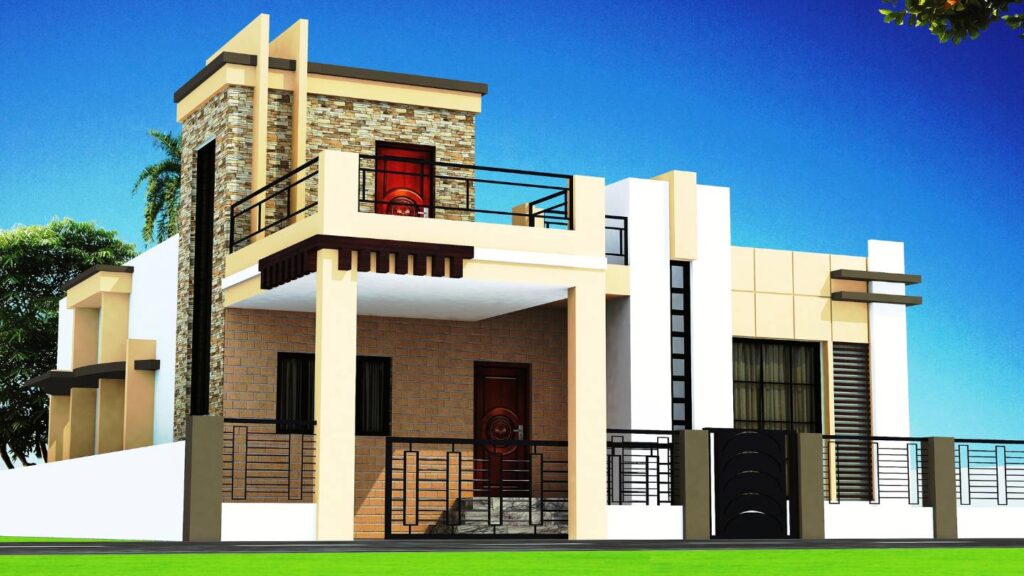
If you're only looking for aesthetic inspiration, stepping into a house with an amazing or distinctive design is always a pleasure. The most alluring aspect of a house is typically its luxurious features and the unparalleled luxury of space.
Duplex house designs redefine what it means to possess a large home in today's urban areas when detached houses or bungalows are becoming rare. Here are some things to keep in mind when planning a duplex home.
Preparing For Building A Duplex
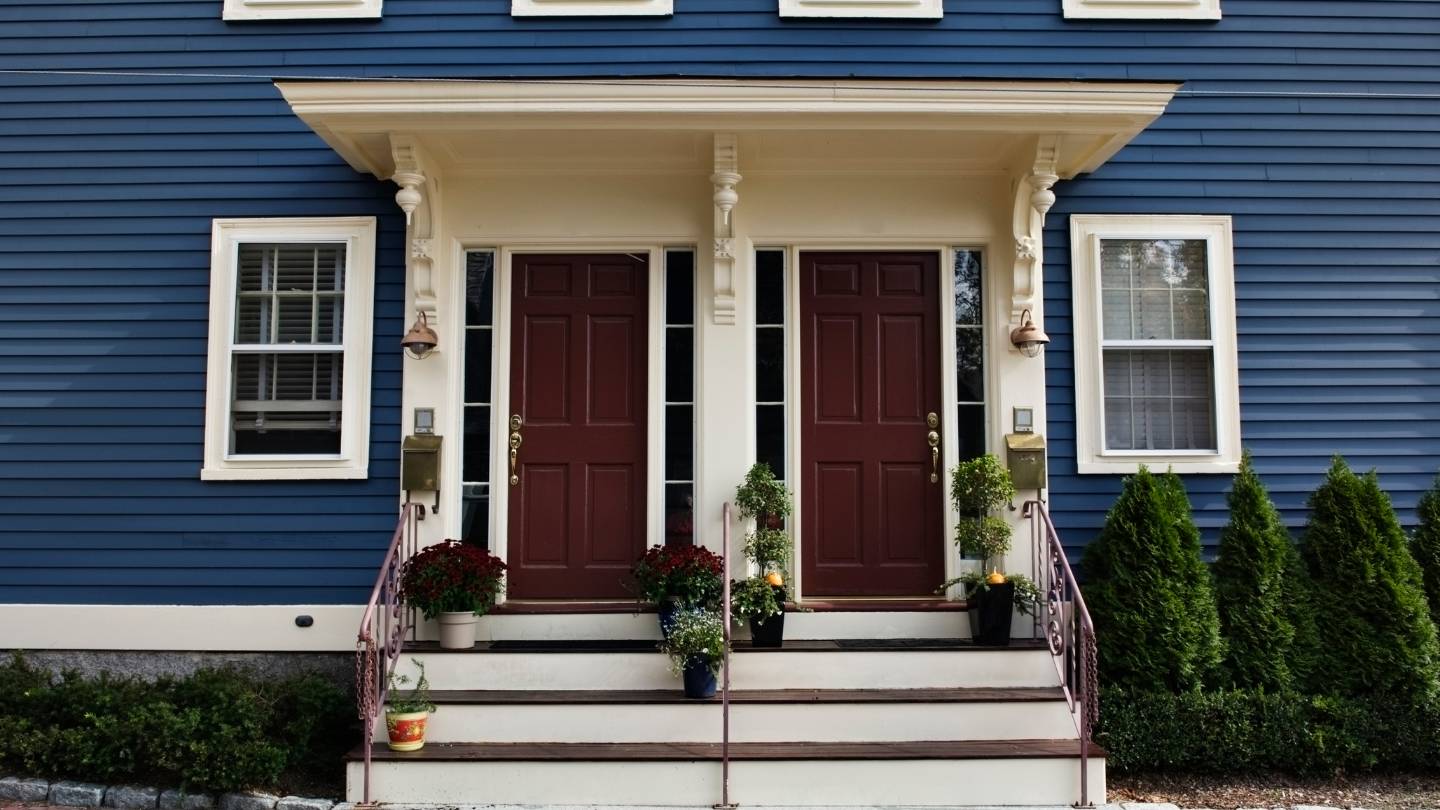
A duplex combines the best features of both a house and an apartment. There are two independent dwelling units in a duplex, with the only common wall being the one that connects the two units. Building a duplex differs from constructing a single-family home in a few key ways, so keep that in mind if you're considering doing it for the first time.
Your Search For Land
Your land search is where you'll see the first change. Duplexes are multi-family structures instead of single-family residences. Please ensure the site you choose for your duplex is in a zone that permits multi-family dwellings, as each town or municipality has regulations on using different parcels of land. You can refine your land search once you learn what kinds of uses land can have.
Infrastructure And Utilities
Moreover, infrastructure must be taken into account. Water, sewer, gas, and road construction are all factors that must be considered in the preliminary assessment, as is the case with every other house. However, you'll deal with those utilities in a duplex on a much grander scale. You should remember that you are constructing two independent entities, so if you are overwhelmed by a task, think about hiring someone else.
Property Lines And An Additional Survey
One further survey will be required once your duplex is up and running. This aims to demarcate the boundary between the two units of the duplex. After the duplex is constructed, this is also done to prevent any unintentional construction across the property line. The housing market is ripe with opportunities for duplex construction. Although a few more stages are involved in creating one, they are well worth it. Browse our duplex house plans collection to discover stunning designs that complement the area and entice potential buyers.
Building A Duplex: Guide To Success
Involve Professionals Early On
Even if you have that background, duplex building is completely different from investing in single-family homes. You can save time and avoid making easy mistakes if you involve pros early on.
Conduct Research
Be sure you've checked over the property thoroughly before purchasing a plot of land for your duplex venture. Consult with specialists to ensure you can construct there according to council zoning. Make an informed decision because duplexes are only available in specific locations.
Your property plot must be zoned appropriately and located in a desirable neighbourhood if you want your investment to yield a satisfactory return.
The ideal places to invest are those with high rental yields and rapid population expansion. Doing homework before building a duplex is essential to make much money from rentals. Meet with a real estate agent, tour a few open homes, and observe the preferences of potential tenants and purchasers.
Make A Responsible Budget
A duplex project can quickly rack up a mountain of expenditures, particularly for inexperienced builders. Council fees and holding expenses are just two examples of things that can get you in trouble if you don't plan. You can grow equity quickly with a duplex if you moderate the construction costs.
Despite being technically two units, a duplex may only be able to be sold as a single unit if the two units do not have separate titles. Think about your plans for the duplex. It's wise to consult a financial specialist to grasp your financial capabilities better. These experts can advise you on the potential ramifications of constructing a duplex.
Conduct A Feasibility Analysis
Do a feasibility study early on to ensure your project will be worthwhile before investing any time or money into it. If you care about the success of your project, this is essential. After the research is complete, you will know if constructing a duplex is a good idea.
Make A Quality Investment
Investing in a nice rental property is essential for a decent return. Real estate investors and tenants are pickier than ever, so it pays to be current with the trends. A lot of new, cutting-edge styles are using duplexes. Do some reading up on existing duplexes before drawing plans for your own.
Also, get the best home builders you can afford regarding the design. You don't need to hire the greatest names in the industry to generate exceptional results. Please verify that the experts you choose can provide examples of previous work that they have successfully finished.
Use A Variety Of Strategies
The dimensions of a duplex home are important. Ensure the duplex you construct is just the size for your family. Ensure your duplex has adequate room for your relatives if you have a big family. Make sure the duplex is large enough to entice tenants without being overly complicated to handle if you're planning to build it for investment reasons. The most important thing is to strike a balance while choosing the size of your duplex.
Enhance The Kerb Appeal
Consider how the duplex will seem from the outside if you plan to build it for investment reasons. You should give it your best effort because this is the initial impression it will give to any prospective purchasers or tenants. You can do a few things to make sure your duplex looks nice from the outside.
Take note of the landscaping first. The lawn must be mowed and inspected for any patches of dead grass. Give the area some life and colour by planting some bushes or flowers. Now, turn your attention to the foyer. How welcoming is it? Does it convey a positive initial perception? If it isn't already, think about making it more inviting.
Remember To Allocate Storage Space
Consider the need for storage space as you design your duplex. Having everything in place is crucial in case you intend to rent out an apartment. You should ensure that each apartment has sufficient storage space because tenants will require a place to keep their possessions. Increase the amount of storage space in your duplex in several ways. One possibility is to install built-in cupboards or shelves in the living room or bedroom. Alternatively, you could build a shed in the backyard that the tenants could utilise.
Whatever you do while you're planning your duplex, don't overlook this crucial factor. For those embarking on their first construction project, here are a few things to remember about duplex houses. Following these guidelines, your duplex will be well-built, aesthetically pleasing, and reasonably priced.
Various Techniques For Duplex House Design
There is much room for creativity and personalisation in spacious duplex apartments and villas. These six houses will give you much to think about.
Play Around With Various Layouts
Duplex house layouts and the placement of rooms' functions are not subject to any strict regulations. However, you can only experiment with a different layout; most homes have their bedrooms on the upper floor and living areas on the ground. Upstairs is where you'll find the home's open-concept dining and kitchen, while downstairs, you'll find the bedrooms. The space is bright and airy thanks to the abundant natural light streaming through the white shell.
Consider The Stairs To Be A Special Feature
The stairway that leads from one floor to the other is a crucial part of every duplex house. Look at a design that stands out and adds character to the room. A central spiral staircase in a larger apartment can be striking and functional.
Utilise Light To Play Around Your Staircase
When designing home's layout or decor, most people need to give more thought to the space that extends up to a whole level within the radius or confines of a staircase. Although you cannot place furniture in this intriguing location, you can experiment with various lighting setups.
Not only will elaborate chandeliers or dramatic pendant lights that begin on the upper floor of your duplex house design illuminate the space, but they will also provide the illusion of greater depth and openness.
A style suggestion is to use the windows on the staircase to let in as much natural light as possible. Mirrors placed on the walls of the landing or along the stairs give the illusion of more space. The same logic applies if the floor is on the very top floor of the building; a skylight installed there would flood the entire house with natural light and air.
Maximise The Use Of High Walls
With their lofty ceilings, duplex residences provide ample space for various experiments. A towering water feature, massive artwork, or other decorative item can be showcased on a large wall.
Establish A Focal Point To Serve As The Home's Core
It will be necessary to bring the entire space closer when a home is divided into two halves. An astute strategy for making the house feel more like a home is to designate one area as the hub of the flat, where everyone may congregate to unwind after a long day. This centrally positioned room can be a living room, lounge, or television room.
Establish A Connection Between The Interior And Exterior
A skylight in a duplex house is a great way to bring nature inside. It visually connects the top and lower floors and gives you a view of the outside. This also allows continuous natural light to enter the house, creating a cheery and inviting ambience. This is work if you live in a detached house or have a penthouse apartment with a terrace.
Create An Impressive Exterior
Since detached duplexes often have higher and more expansive front facades, there is much room to play around with the design. Take cues from this one if you're game to splurge on an unusual facade. For instance, you can use bricks with a lovely, lyrical quality that gives the exterior of the house its distinctive appearance.
Important Factors To Consider In Making Decisions
Price
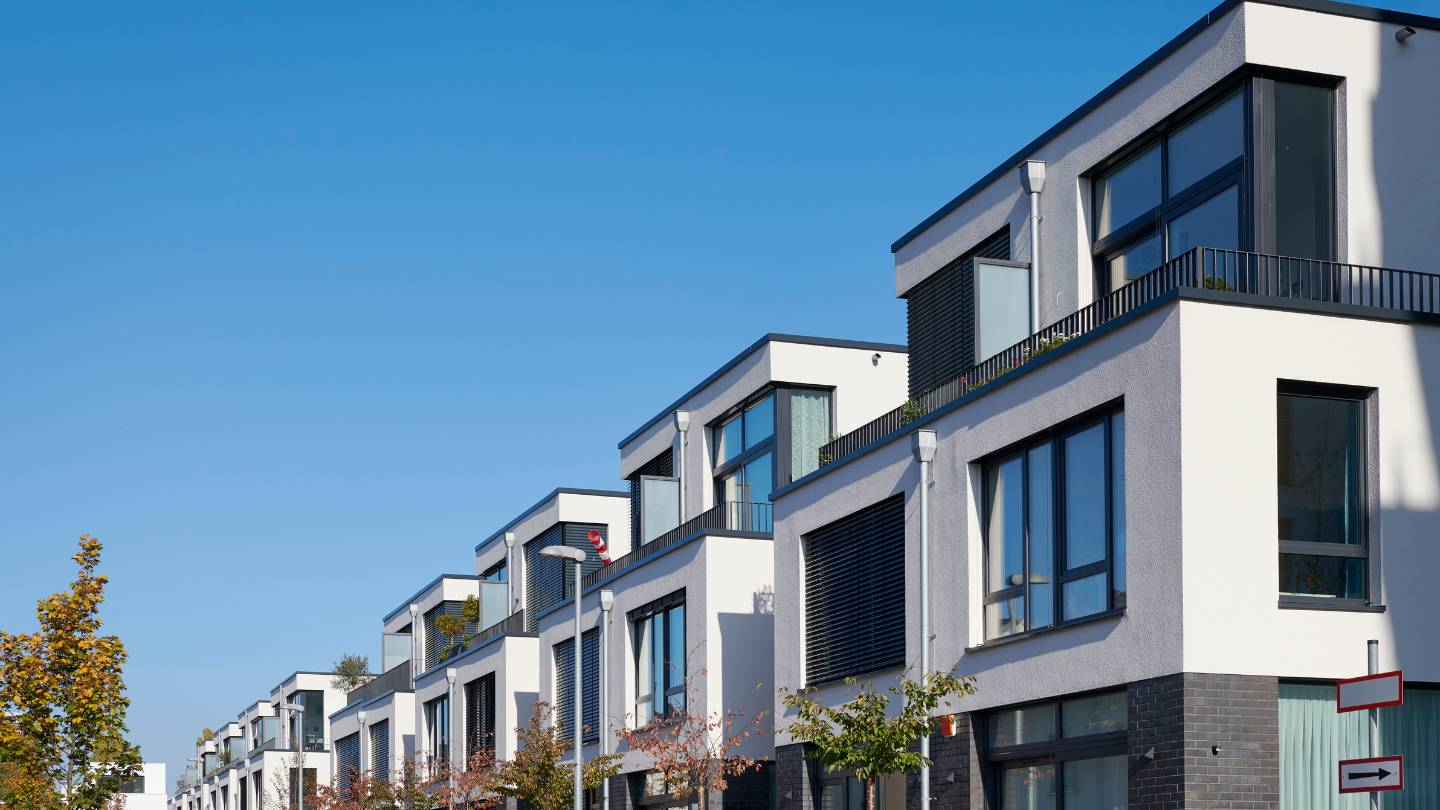
Since we are constructing two houses simultaneously, creating a duplex costs more than a single-family home. A duplex could be a stepping stone to building wealth and a more secure financial future if you put in the appropriate effort. You can earn twice as much money, whether accumulating equity or selling at market value when you have two homes on one land. Someone looking to put money into real estate would benefit from this. On the other hand, you should be careful not to over-capitalise.
Optimised Prospective
A duplex is a great way to increase the value of your house. The land's potential is fully utilised and can rapidly appreciate with minimal landscaping effort. The homes' diminutive sizes make them ideal for younger families or people seeking lifestyle blocks that offer immediate opportunities for wealth appreciation.
Keep Your Relatives Nearby
Having older parents who live next door might be a great source of peace, allowing you to visit them or chat without sacrificing your space.
Conclusion
A duplex home is a unique and stylish way to live in urban areas, offering the best of both a house and an apartment. It combines the best features of both types of homes, with two independent dwelling units connected by a common wall. Building a duplex differs from constructing a single-family home in several key ways.
The first step is to search for land in a zone that permits multi-family dwellings, as each town or municipality has regulations on using different parcels of land. Infrastructure and utilities must be considered, as duplexes are built on a much grander scale. Once the duplex is up and running, a property line and additional survey will be required to demarcate the boundary between the two units.
Building a duplex involves involving professionals early on, conducting research, making a responsible budget, conducting a feasibility analysis, making a quality investment, and using a variety of strategies. The dimensions of the duplex should be suitable for your family, provide enough room for relatives, and be large enough to entice tenants without being overly complicated.
In conclusion, building a duplex home requires careful planning, research, a responsible budget, and a variety of strategies to ensure success. By following these steps, you can create a beautiful and functional duplex home that appeals to both homeowners and renters.
To enhance the kerb appeal of a duplex, consider the landscaping, foyer, and storage space. The exterior should be well-maintained to give a positive initial impression to potential buyers or tenants. Ensure that each apartment has sufficient storage space, either by installing built-in cupboards or shelves in the living room or bedroom, or by building a shed in the backyard.
Duplex house design offers numerous techniques for creativity and personalization. Experiment with various layouts, such as having bedrooms on the upper floor and living areas on the ground. Consider the stairway as a special feature, such as a central spiral staircase in larger apartments.
Utilize light to play around the staircase, using windows on the staircase to let in natural light and mirrors placed on the walls of the landing or along the stairs. Maximize the use of high walls, such as towering water features or massive artwork, to showcase decorative items. Establish a focal point as the home's core, such as a living room, lounge, or television room, to bring the entire space closer.
Establish a connection between the interior and exterior through skylights, which visually connect the top and lower floors and allow continuous natural light to enter the house. Create an impressive exterior with higher and more expansive front facades, such as bricks with a lovely, lyrical quality.
When making decisions about constructing a duplex, consider factors such as price, potential future appreciation, and proximity to relatives. Duplexes can be a stepping stone to building wealth and a secure financial future, but it is important not to over-capitalize.
Content Summary
- Designing a duplex home offers aesthetic inspiration and distinctive features.
- Luxurious features and spacious designs are the hallmarks of alluring houses.
- Duplexes redefine large home ownership in urban areas where detached houses are rare.
- Duplex planning involves considering two independent dwelling units connected by a common wall.
- Building a duplex differs from constructing a single-family home, requiring specific considerations.
- Land selection for a duplex involves checking zoning regulations for multi-family structures.
- Infrastructure and utilities must be considered on a grander scale for duplex construction.
- A separate survey is needed to demarcate boundaries between the two duplex units.
- The housing market offers opportunities for duplex construction with added stages.
- Involving professionals early is crucial for successful duplex building.
- Conducting thorough research before purchasing land ensures zoning compliance.
- Budgeting responsibly is essential to avoid unexpected expenditures in duplex projects.
- A feasibility analysis early on helps determine if constructing a duplex is worthwhile.
- Investing in a quality rental property is vital for a satisfactory return in duplex projects.
- Keeping updated with trends in duplex design enhances investment prospects.
- Various strategies should be employed to balance the size and functionality of a duplex.
- Kerb appeal is crucial for the initial impression on potential buyers or tenants.
- Landscaping, a welcoming foyer, and exterior appearance contribute to a nice duplex.
- Allocating sufficient storage space is essential for tenant convenience in a duplex.
- Planning a duplex requires attention to crucial factors for a well-built and aesthetically pleasing outcome.
- Duplex house designs offer room for creativity and personalization.
- Experimenting with different layouts is possible, providing flexibility in design.
- The staircase in a duplex can be a special feature, adding character to the space.
- Utilizing light around the staircase enhances the overall aesthetics of the duplex.
- High walls in duplex residences provide opportunities for decorative displays.
- Establishing a focal point creates a central hub for residents to unwind in a duplex.
- Connecting the interior and exterior with features like skylights enhances the duplex's ambiance.
- Creating an impressive exterior, especially for detached duplexes, adds to the overall design.
- Considering factors like price is crucial when making decisions about duplex construction.
- Constructing a duplex costs more than a single-family home, requiring careful budgeting.
- A duplex can be a stepping stone to building wealth and a secure financial future.
- Owning two homes on one land can double the potential for accumulating equity or market value.
- Over-capitalizing should be avoided while considering the financial aspects of a duplex.
- Optimizing the potential of land is a significant advantage of duplex construction.
- Duplexes are ideal for younger families or individuals seeking immediate wealth appreciation.
- Keeping relatives nearby is facilitated by duplex living, fostering peace and convenience.
- The search for land in duplex construction involves considering zoning regulations for multi-family dwellings.
- Infrastructure considerations in duplex building involve managing utilities on a grander scale.
- Separate surveys are required to prevent unintentional construction across duplex property lines.
- Opportunities in the housing market make duplex construction a viable investment.
- Early involvement of professionals is recommended for successful duplex building.
- Researching property thoroughly ensures the viability of constructing a duplex.
- Responsible budgeting is crucial to avoid unexpected costs in duplex projects.
- Conducting a feasibility analysis early on helps determine the viability of a duplex project.
- Investing in a quality rental property enhances the potential return in duplex projects.
- Staying current with design trends in duplex construction improves investment prospects.
- Balancing size and functionality is essential when planning a duplex.
- Kerb appeal plays a crucial role in creating a positive impression for duplex buyers or tenants.
- Allocating sufficient storage space is a key consideration in duplex design.
- Planning a duplex involves various crucial factors to ensure a well-built and attractive outcome.
Frequently Asked Questions
A duplex home is a residential building comprising two separate living units under one roof. Each unit typically has its entrance, kitchen, and bathroom, making it suitable for two households to live side by side.
There are several advantages to building a duplex home. First, it can be a cost-effective way to maximize the use of your property and generate rental income. Second, it promotes a sense of community, as you can live next door to family or friends. Additionally, duplexes are often more energy-efficient than single-family homes due to shared walls, which can lead to lower utility bills.
To choose the right duplex design, consider your budget, the size of your lot, the number of bedrooms and bathrooms you need, and your aesthetic preferences. Consulting with an architect or designer can help you create a customized design that meets your requirements.
When planning the layout of a duplex home, it's essential to prioritize privacy between the two units. This can be achieved by ensuring each unit has a separate entrance, soundproof walls, and minimal shared spaces. Additionally, think about the flow and functionality of each unit to make daily living comfortable for the occupants.
Yes, zoning regulations and legal requirements vary by location. It's crucial to check with your local government or zoning department to understand the zoning laws, permits, and regulations that apply to duplex construction in your area. Compliance with these rules is essential to avoid legal issues during the planning and construction.



