
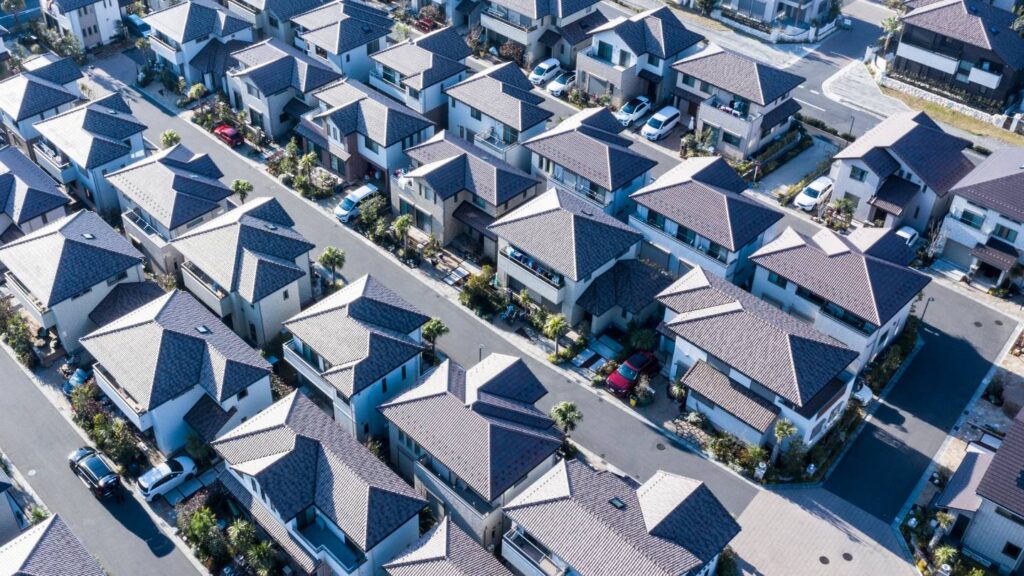
At the intersection of architectural creativity and everyday pragmatism, luxury duplex house designs typically symbolise the zenith of comfort and refinement. The lavish exteriors of luxury duplexes are appealing, but the clever planning and execution of their interior spaces make them stand out.
A basic principle: the harmonic balance of efficiency and elegance—is at the heart of these extraordinary residences. This principle goes beyond superficial considerations of form and function in residential design. Every inch counts in these mansions, and the deliberate weaving of luxury into practical layouts results from thorough planning.
The capacity to be aesthetically pleasing and highly practical is a hallmark of high-end duplex houses. Elegance and comfort are expertly blended in the design of these homes. When discussing high-end duplexes, the concept of efficiency—sometimes confused with utilitarianism—takes on a different connotation. It entails making the most of available space, letting in as much natural light as possible, and incorporating technology to make life easier.
Professional architects and designers share their innovative approaches to creating aesthetically pleasing and functionally superior duplex home plans in this article.
Features Of A Luxurious Duplex Home Design
Simplified Designs
A well designed layout is the starting point for any design of a duplex house. Achieving a seamless transition between the public and private domains and optimising the utilisation of existing space are key objectives. A well-planned layout that prioritises both functionality and aesthetics is the product of careful analysis of traffic patterns and spatial relationships.
The use of columns or partial walls in conjunction with an open floor plan can provide the impression of several distinct rooms within a bigger space. Furthermore, larger rooms can be transformed into multipurpose zones, making living areas even more versatile.
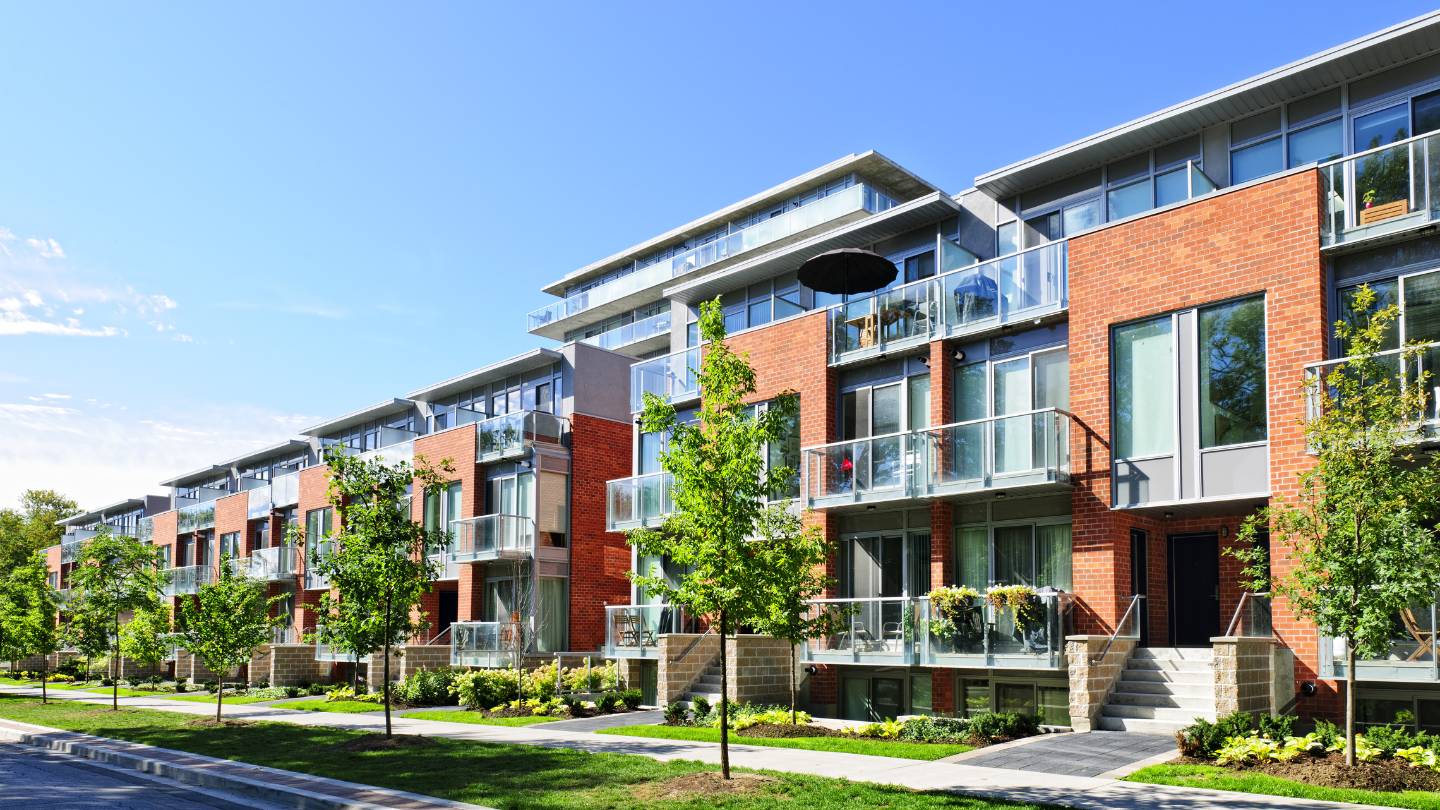
Selection Of Materials
If you desire a beautiful and practical duplex house, the materials you choose are essential. Finding long-lasting, high-quality materials is the primary objective. There are a lot of key components available, including beautiful countertops and high-quality flooring. Wood, natural stone, and high-grade metals all contribute to a rich foundation.
Kitchen and bathroom countertops crafted from high-end materials, such as marble or granite, not only look amazing, but also endure for a very long time. If you're looking for an eco-friendly option that nonetheless looks luxurious, think about bamboo flooring.
Practical Furnishings
In addition to being extremely comfortable, the furnishings of a high-end residence should give off an aura of subtle elegance. Unique pieces of furniture that deftly combine style and practicality include colourful sofas and antique armchairs. Adding a touch of luxury to the duplex house, every piece of furniture is carefully picked for its multi-functionality and custom designs.
A room's functionality can be enhanced by acquiring custom-made furniture that precisely matches the room's dimensions. You can choose materials and fabrics for their luxurious appearance as well as their comfort and longevity.
Harmony In Aesthetics
A consistent aesthetic is crucial in pursuing a polished interior in a luxury duplex house design. For this, choosing colour schemes and materials that work well together is important. It is crucial to strategically use textures, patterns, and finishes to create a harmonious transition between various locations.
To create an environment that is aesthetically beautiful and well-composed, it is important to combine bold pieces with more subtle ones carefully. The duplex house exudes an air of refinement and unity because of the meticulous attention to aesthetic harmony.
Integrations Driven By Technology
The duplex house is both luxurious and functional thanks to the modern technology that has been seamlessly integrated. The centre of attention is smart home automation, which includes climate control and integrated entertainment systems.
Installing smart thermostats, motion-activated lighting, and integrated sound systems to make life easier and more convenient. The incorporation of voice-activated assistants has the potential to improve convenience significantly.
Bringing Indoor And Outdoor Areas Into Harmony
In a luxury duplex, the inside isn't the only thing that matters. It is feasible to plan the layout such that outside spaces are fully utilised, transforming them into opulent getaways. With well-thought-out landscaping, outdoor furnishings, and architectural features, it is possible to integrate inside and outdoor luxury.
Sliding glass doors, large windows, and patios placed at just the right angles create an illusion of one continuous space. Adding ornamental elements, outdoor chairs, and lush greenery can enhance the visual appeal of outdoor areas. Enhancing the opulence of the scene can be accomplished with the inclusion of fire pits, water elements, and an outdoor pizza oven or barbeque pit. An attractive and functional vertical herb garden is a win-win.
Including Comfort And Health-Related Features In The Design Of Duplex Homes
The main objective of wellness-centric design is to create an atmosphere that encourages relaxation and health inside the luxurious framework of a duplex house. To ensure high-quality air, it is important to incorporate state-of-the-art air filtering technologies, among other design concerns. Ergonomic furniture, guided by wellness principles, is hand-picked to offer maximum support, comfort, and visual appeal.
Through the use of circadian lighting systems, the duplex house can be outfitted to control the biological rhythms of its occupants, resulting in better mental health and more peaceful sleep. A healthy and very pleasant space, a refuge where one can relax, rejuvenate, and experience tranquilly, is the outcome of these factors coming together.
Eco-Friendly Ideas For Luxurious Living
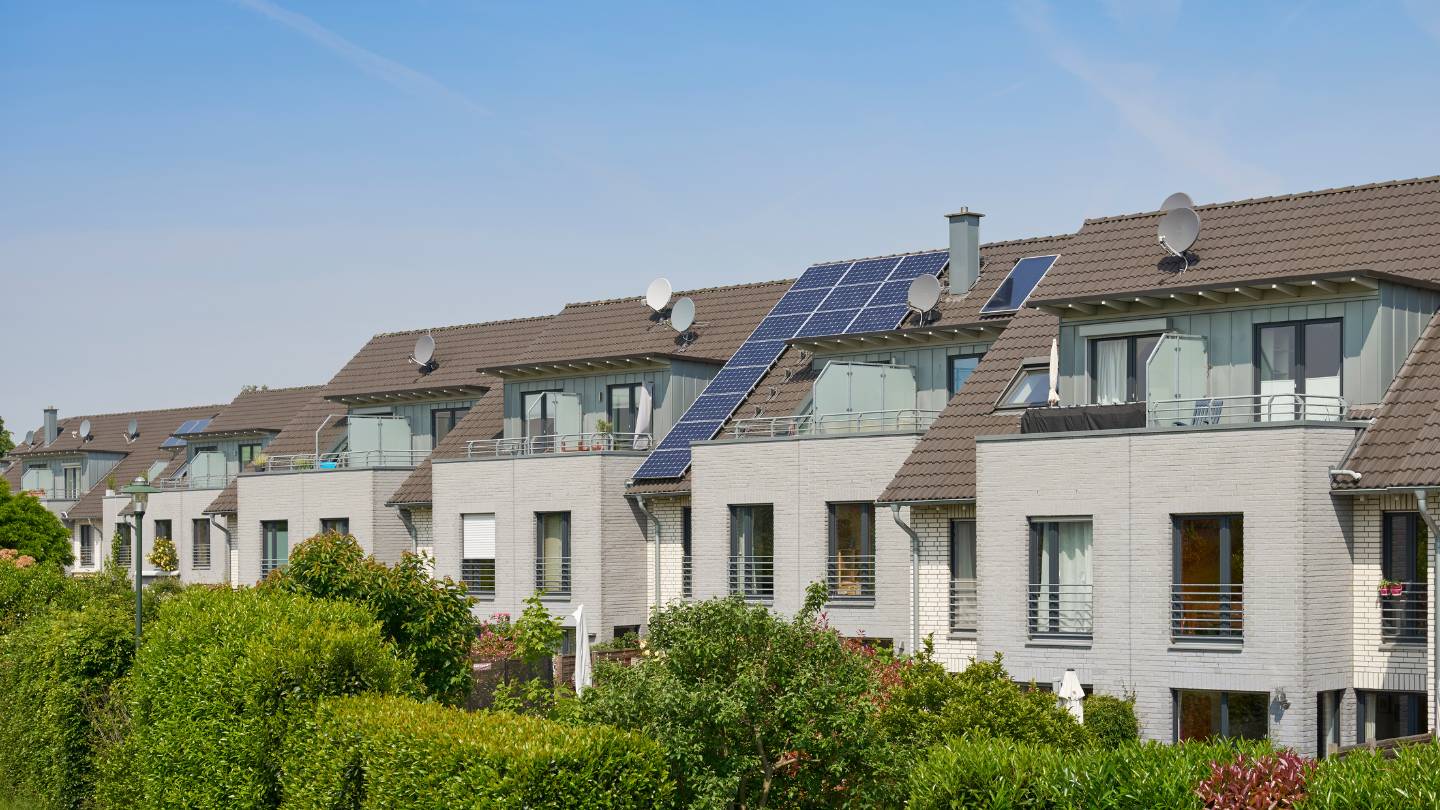
With the right sustainable practices and technologies, even a high-end duplex may be both aesthetically pleasing and ecologically conscious. Solar panels, rainwater collection systems, and energy-saving gadgets are a few examples of the innovations that contribute to a greener planet. Furthermore, these measures enhance the duplex home's long-term sustainability and value, while also improving the planet.
Techniques To Enhance Your Luxuriousness In A Duplex Home
The interiors are crucial when designing a home or apartment since they set the mood for daily life. Here are ten ways to upgrade the ambience of your duplex house:
Pay Attention To The Living Room
The living room of a duplex house ought to serve as the main attraction of the dwelling. Therefore, pay close attention to this area when you are making plans for your interior design.
A contemporary and fashionable style may be achieved in the living room by adding vivid rugs, striking furniture, and a daring wall colour or artwork. Get out of your space by hanging colourful curtains and adding accent pillows and throws. Finally, to round off the style, install new light fixtures.
Minimalistic And Simplistic Approaches
A costly duplex's visual appeal is significantly enhanced by the employment of lines and repeating patterns in its architecture. In a minimalistic duplex house design, the rooms appear much larger than they are. With the remainder of the space in harmony with the owner's specifications and taste, every piece of furniture stands out as if to overcompensate.
Fully Decluttering
If you want your duplex to feel like a palace, declutter your rooms constantly. A cluttered home results from many things: unwashed clothing, filth, disorganised bedroom accessories, uneaten food, misplaced packaging, etc. Staying organised and rearranging things to their proper places is essential for maintaining a neat and well-kept duplex house design.
Arrange Seating Areas Strategically
Ensure your guests are comfortable and easily move throughout your duplex house by creating uniform seating places. Incorporate your chosen colour scheme into your furniture selection for the living area, including plush sofas, armchairs, and occasional chairs.
Include one or two ottomans for additional seating as needed. You can also create a wonderful area for guests to unwind in by placing end tables and lights near these focus points.
Invest In Storage Solutions
There must be ample storage space in the duplex house's interior design. Invest in sturdy storage solutions like cabinets, drawers, and shelves to make your home more organised. Put often-used goods, like culinary utensils, pots, and pans, in cabinets where they are easily accessible, and put seldom-used items, like books, on higher shelves or in the back of the pantry or closet.
Things that tend to collect dust can be better stored in containers with lids. The interior design of the duplex house will become more organised as a result.
Incorporate Vibrant Accents And Decorations
What about sprucing up the inside of your duplex house with some decorative highlights and decorations to make it stand out even more? This entails coordinating the space using aesthetic elements, including colour, pattern, and texture.
Accents like to throw pillows, and rugs may inject a room with colour, while wall hangings and drapes can provide texture. Cushions and area rugs of patterned fabric can make a striking statement, while tiered lighting can add light accents wherever they are placed.
Colour Schemes
When done correctly, colour schemes can evoke strong emotional responses. While bold colours work great for graffiti wall art, muted tones make a place seem brighter when applied to plain walls. The choice of colour is crucial in a duplex house plan for creating a relaxing atmosphere.
Curtains Design
Short curtains give the impression of cheap quality and are out of place in a high-end duplex home. The ideal arrangement for home decor would feature drapes that naturally fall over one another. Get a tailored set of drapes that complement your decor by taking the time to measure your windows precisely.
Design And Decoration Of Carpets
Carpets are soft underfoot and have a natural texture. They provide a plush, relaxing experience whether you're sitting or walking, in contrast to the harshness of hard floors like marble or tiles. It completes the regal vibe that the upper class craves in their duplex home design.
Advanced Lighting
If you want to create an extravagant atmosphere, lighting is key. Exploring advanced lighting solutions for duplex rooms can create a sense of magnificence. Techniques incorporating layered lighting, sophisticated controls, and fixtures are showcased for their ability to illuminate and emphasise the space's premium aspects. The incorporation of task, accent, and ambient lighting produces drama and depth in the interiors.
The atmosphere and ambience are controlled by fixtures that include dimmable characteristics, such as chandeliers, sconces, and pendant lights. Smart lighting systems can provide individualised illumination depending on the time of day.
Blend Greenery And Plants With Nature
Your duplex house can be more charming and peaceful with a touch of nature. Plants and foliage are a natural fit, but sculptures of animals, dried flowers, or fabric patterns resembling leaves can also be used to complete the effect.
Indoor plants are a great way to bring nature inside because they require little attention and provide colour to any space. They bring a warm and welcoming atmosphere to any room, making you feel at home in no time.
Vegetation
You can include an inside plantation in your duplex house design. Houseplants not only add aesthetic value but also serve to cool the air within the dwelling.
Ornamentation
The furnishings of the duplex house combine rustic and modern elements, including dream catchers, vases, terracotta animals, antiques, and more. Invest in ornamental items that exude the same feelings as you to liven up your décor.
Spend Your Money On Art
If you need help deciding what to buy or where to begin, investing in art can be daunting. Although everyone has unique tastes in art, we can all agree that it's fun to gaze at massive paintings in museums and wish we could take them home. The moment has come to stop procrastinating and start furnishing your home with art that speaks to who you are.
Ensure That It Smells Fresh
After all the matching and switching around, your perfect opulent duplex is finally ready. Except for the smell of your residence, every box that conveys an air of luxury has been checked. Invest in a central air freshener system if your rooms always smell nice and match your amazing decor.
Conclusion
Luxury duplex houses are designed to blend comfort and refinement, focusing on efficiency and elegance. The design principle is to create a harmonious balance of efficiency and elegance, utilizing available space, natural light, and technology. Professional architects and designers share their innovative approaches to creating aesthetically pleasing and functionally superior duplex home plans.
Features of a luxurious duplex home design include simplified designs, selection of materials, harmony in aesthetics, integrations driven by technology, bringing indoor and outdoor areas into harmony, wellness-centric design, and eco-friendly ideas for luxury living. A well-designed layout should optimize the use of existing space, with columns or partial walls providing a seamless transition between public and private domains.
Materials such as wood, natural stone, and high-grade metals are essential for a rich foundation. Kitchen and bathroom countertops made from high-end materials like marble or granite are both beautiful and durable. Custom-made furniture can enhance functionality and add a touch of elegance.
Harmony in aesthetics is crucial, with color schemes and materials that work well together. Modern technology, such as smart home automation, motion-activated lighting, and sound systems, can make life easier and more convenient. Integrating indoor and outdoor spaces through landscaping, outdoor furnishings, and architectural features can enhance the opulence of the scene.
Eco-friendly practices and technologies, such as solar panels, rainwater collection systems, and energy-saving gadgets, contribute to a greener planet and enhance the long-term sustainability and value of a high-end duplex home.
The living room of a duplex house should be the main attraction, with vibrant rugs, striking furniture, and daring wall colors or artwork adding to its contemporary style. Minimalistic and simple approaches can enhance the visual appeal of a costly duplex, while decluttering and organizing are essential for maintaining a neat and well-kept interior design.
Arrange seating areas strategically, including plush sofas, armchairs, and occasional chairs, and include ottomans for additional seating. Invest in sturdy storage solutions like cabinets, drawers, and shelves to make the home more organized. Incorporate vibrant accents and decorations, using color, pattern, and texture to create a relaxing atmosphere.
Curtains design, such as drapes that naturally fall over one another, complement the decor and create a regal vibe. Carpets provide a plush, relaxing experience, contrasted with hard floors like marble or tiles.
Advanced lighting is key for creating an extravagant atmosphere, with techniques incorporating layered lighting, sophisticated controls, and fixtures. Investing in dimmable fixtures like chandeliers, sconces, and pendant lights can create drama and depth in the interiors.
Blend greenery and plants with nature to create a warm and welcoming atmosphere. Plantations add aesthetic value and cool the air within the dwelling. Invest in ornamental items that exude the same feelings as you to liven up your décor.
Lastly, invest in art that speaks to you and create a fresh scent in your duplex. By following these steps, you can create a luxurious duplex that reflects your personal taste and lifestyle.
Content Summary
- Luxury duplex house designs embody the pinnacle of comfort and refinement.
- The interior execution of high-end duplexes sets them apart from their appealing exteriors.
- Harmonic balance of efficiency and elegance is a fundamental principle in these residences.
- Clever planning maximizes every inch, seamlessly blending luxury into practical layouts.
- High-end duplexes expertly combine elegance and comfort in their design.
- Efficiency in luxury duplexes involves optimizing space, natural light, and incorporating technology.
- Professional architects and designers share innovative approaches to duplex home plans.
- A well-designed layout prioritizes functionality and aesthetics in duplex house design.
- Columns and open floor plans create distinct rooms and versatile living spaces in luxury duplexes.
- Material selection is crucial for beautiful and practical duplex houses.
- High-quality materials, including wood, natural stone, and metals, contribute to a rich foundation.
- Kitchen and bathroom countertops from high-end materials like marble endure and look amazing.
- Eco-friendly bamboo flooring offers a luxurious and environmentally conscious option.
- High-end furnishings exude subtle elegance and are chosen for multi-functionality.
- Custom-made furniture enhances room functionality with precise dimensions and luxurious materials.
- A consistent aesthetic is crucial, achieved through strategic use of color schemes and materials.
- Bold and subtle elements are carefully combined for aesthetic harmony in duplex houses.
- Smart home automation, including climate control, enhances luxury and functionality.
- Integrating technology with smart thermostats and voice-activated assistants improves convenience.
- Planning outdoor spaces with landscaping and architectural features enhances overall luxury.
- Sliding glass doors and large windows create an illusion of one continuous space.
- Outdoor elements like fire pits and vertical herb gardens add functionality and appeal.
- Wellness-centric design includes air filtering technologies and ergonomic furniture.
- Circadian lighting systems contribute to mental health and peaceful sleep in duplex homes.
- Sustainable practices like solar panels and rainwater collection enhance eco-conscious living.
- Ten ways to upgrade duplex ambiance include focusing on the living room.
- Minimalistic design enhances visual appeal, making rooms appear larger in high-end duplexes.
- Constant decluttering is essential for maintaining a neat and well-kept duplex house.
- Strategic seating areas with uniform arrangements enhance guest comfort and movement.
- Ample storage space, including cabinets and shelves, improves organization in duplex homes.
- Vibrant accents and decorations, like throw pillows and rugs, enhance interior aesthetics.
- Coordinated colour schemes create emotional responses and relaxing atmospheres in duplexes.
- Drapes with natural falls and precise measurements contribute to a high-end home decor.
- Soft carpets provide a plush, relaxing experience, completing the regal vibe in duplex design.
- Advanced lighting solutions, including layered lighting and smart systems, create magnificence.
- Fixtures with dimmable characteristics control atmosphere and ambience in duplex interiors.
- Blending greenery and plants with nature adds charm and peace to duplex homes.
- Indoor plants provide aesthetic value and cool the air, contributing to duplex design.
- Ornamental items like dream catchers and antiques add rustic and modern elements to decor.
- Investing in art personalizes and enhances the aesthetic appeal of a duplex house.
- Art that speaks to personal taste brings a unique and luxurious touch to duplex interiors.
- Ensuring a fresh-smelling residence adds the final touch to an opulent duplex experience.
- A central air freshener system complements the luxurious atmosphere of a well-designed duplex.
- Luxury duplexes prioritize seamless transitions between public and private spaces.
- Traffic patterns and spatial relationships are carefully analyzed for a well-planned layout.
- Multipurpose zones are created by using columns and partial walls with an open floor plan.
- Long-lasting, high-quality materials, such as marble and granite, contribute to beautiful countertops.
- Custom-made furniture enhances room functionality with precise dimensions and luxurious materials.
- Strategic use of textures, patterns, and finishes creates a harmonious transition in duplex interiors.
- Modern technology, including smart home automation, seamlessly integrates with luxury in duplex homes.
Frequently Asked Questions
Creating a luxurious impression in your duplex house involves paying attention to details. Focus on high-quality materials like hardwood flooring, marble countertops, and elegant lighting fixtures. Incorporate a cohesive colour palette, use textures like velvet and silk, and invest in statement furniture pieces. Remember to add decorative elements like art, mirrors, and accessories that enhance the overall aesthetic.
Yes, you can! While luxury often comes with a high price tag, there are ways to create a luxurious impression on a budget. Consider DIY projects, shop for discounted high-end furniture, and prioritize spending on key areas like the living room or main bedroom. Opt for quality over quantity and strategically allocate your budget to achieve a luxurious feel where it matters most.
Neutral colour schemes are a classic choice for a luxurious duplex house. Shades of cream, taupe, grey, and white provide a timeless and sophisticated backdrop. You can then introduce pops of colour through accessories, artwork, or accent furniture for added visual interest. Metallic finishes, such as gold or silver, complement neutral palettes beautifully.
To maximize space and maintain a luxurious ambience, consider open-concept designs. Use multi-functional furniture and built-in storage solutions to declutter and organize the space efficiently. Additionally, invest in large mirrors to create an illusion of space and strategically place them to reflect natural light and enhance the luxurious feel.
Yes, you can achieve a luxurious impression while being environmentally conscious. Look for sustainable materials and energy-efficient appliances and lighting. Incorporate natural elements like indoor plants to enhance air quality and add a touch of luxury. Consider eco-friendly paint options and prioritize insulation to reduce energy consumption and maintain a comfortable environment.



