

Investment properties must be well-maintained to keep renters satisfied and the property in excellent condition. For your convenience, we have compiled a list of house care suggestions that will assist you in streamlining the upkeep of your investment property, reducing stress in the process.
Property upkeep is something that many landlords perceive as a waste of time and money. According to the survey, 25% said they needed help keeping up with property upkeep.
Truthfully, upkeep isn't always fun, but it doesn't have to be. With the correct frame of mind and preparation, you can simplify property care, prevent little issues from becoming major ones, and save money in the process! Both first-time homeowners and seasoned landlords will benefit from this article's advice on how to budget for and handle routine house maintenance and spot potential issues before they escalate.
What Needs To Be Fixed In A Rental Property By A Landlord?
Listed below are some maintenance problems that you, as the landlord, should be prepared to address if they arise on your property.
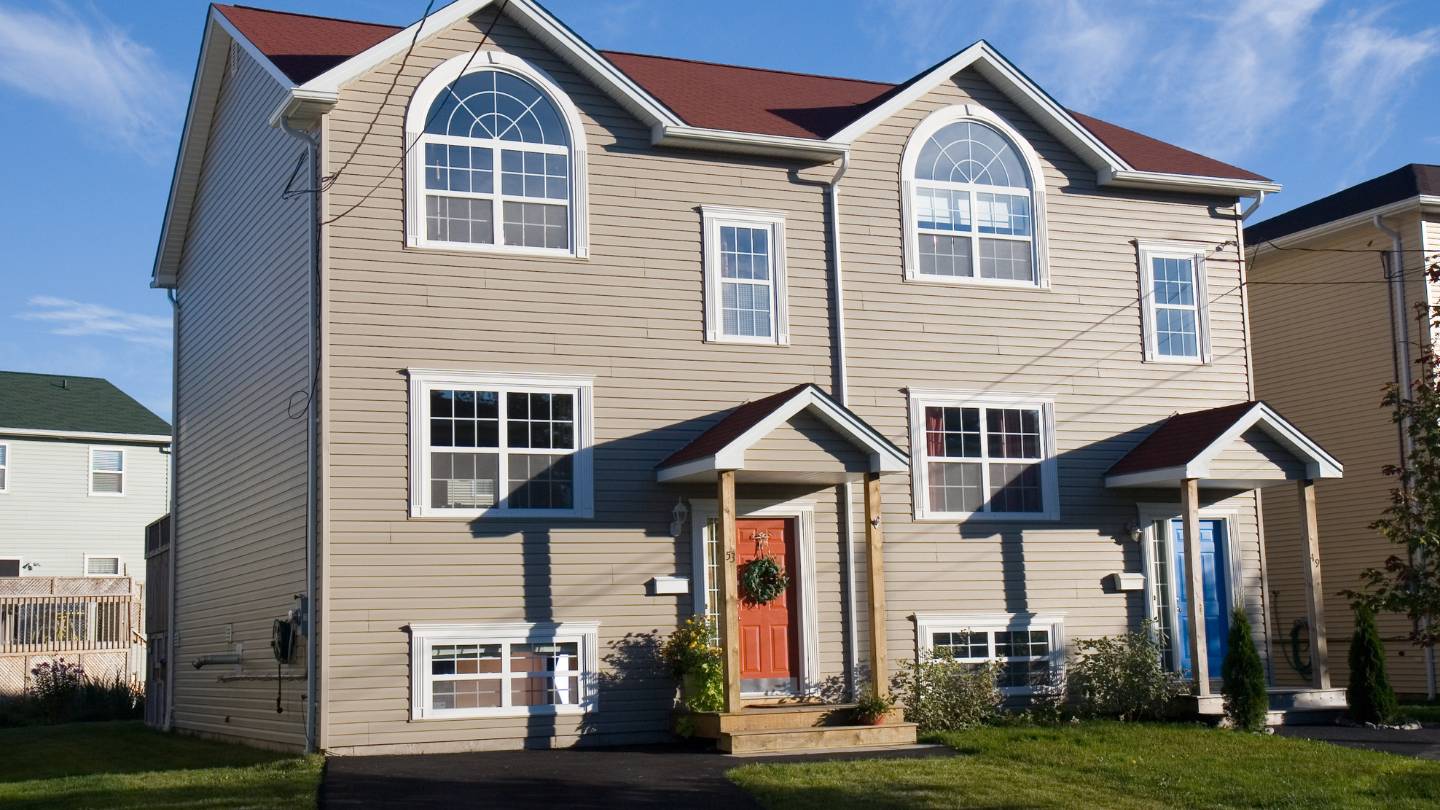
Property Must Comply With Building And Health Codes In The Area
It is your responsibility to ensure that everything is up to code if a renter brings this up, even though it was fixed before anyone moved in. Repairs must be made promptly if the property violates municipal codes.
Moulds
To the extent that water damage or a leak causes mould to grow, it is your responsibility to fix the problem and remove the mould. Tenant liability would most certainly apply in the event of visible mould that is proven to have resulted from the tenant's carelessness or neglect to maintain the property clean.
Pests
Quick action is required if your renter reports a pest problem. To avoid any possible pest problems, ensure you're performing preventative maintenance regularly.
Switching Locks
To ensure that the new tenant understands they are the only one with the key to their residence, changing the locks is a legal requirement when a renter signs a lease for your property. This modification is your obligation as the landlord. You are within your rights to be legally compelled to replace the locks if you choose not to.
Electricity, Heat, And Hot And Cold Water
You, the landlord, must see to it that your duplex rental property has working heating and cooling systems and running water at all times, whether it's hot or cold. You are responsible for restoring these systems to operational status if they malfunction. Always check your local landlord-tenant laws to be sure you're following the strict deadlines for these renovations since many cities have them.
Integrity Of Structure And Weather Protection
To provide a "habitable space," the landlord must check the property for structural problems, such as large cracks, broken windows or doors, or anything else that might make the renter uncomfortable. The landlord is responsible for fixing leaks or other entry points allowing water to enter the living area. Therefore, it's important to ensure the property is safe and weatherproof.
What Needs To Be Fixed In A Rental Property By A Tenant?
It is the tenant's responsibility to keep up with specific objects, just as the landlord's responsibility to follow certain explicit instructions on maintenance difficulties. Every tenant must keep the following obligations; however, you should consult your lease agreement for specific specifics.
Frequently Throwing Out Trash
You don't need me to tell you this, but if you leave garbage out for too long, it will attract all sorts of unwanted visitors. Mould, bugs, and unpleasant odours are just some unwanted guests that trash cans bring.
Make it clear where the garbage should go and remind renters that it is their responsibility to take out the trash regularly. We suggest a tenant welcome letter emphasising these points when your renters move in.
Damage Caused By The Renter Or Their Visitors
A renter is usually liable for paying to fix the damage they do to your property, such as a hole in the wall. Ideally, they'll let you know about the problem so you can look into it or call in an expert if needed. Whether the renter offers to fix something themselves, you should check whether it meets your property requirements.
Problems Caused By Property Misuse Under The Lease Agreement
Your renters are liable for fixing any damage arising from their lease violations, including but not limited to the need for painting, repairs, or extra cleaning.
This often happens when people smoke on the property, which can leave odours and stains. Similarly, suppose your contract explicitly states no dogs, but the renter has a history of having one. In that case, they will be held financially liable for any cleaning expenses related to the pet.
Reporting Maintenance Issues On Time
Landlords, please remind your renters that they are required to notify you immediately of any maintenance difficulties. Problems, if ignored for too long, will eventually escalate. Making it easy for renters to report maintenance concerns is the greatest approach to encourage them to do so promptly.
Maintain a straightforward system for reporting required maintenance or repairs and respond quickly to requests. A tenant will only be able to notify you quickly if you answer.
Why A House Maintenance Checklist Is Necessary
A home maintenance checklist may serve as a helpful reminder to do the necessary duties on a monthly or annual basis to ensure the safety and comfort of your property. Preserving the property's condition and general efficiency is crucial if you want to move in or sell it, so stick to the house maintenance checklist.
For situations requiring the involvement of a third party, such as a structural engineer or an appliance repairman, the checklist lays the groundwork for effective communication.
Gaining an understanding of the four key outcomes that result from consistent, careful maintenance is the first step in developing a yearly home maintenance checklist and then breaking that checklist down by month.
Avoids Expensive Repairs
By keeping up with periodic inspections and maintenance for your home's essential systems—electrical, water, plumbing, and gas—and keeping appliances clean regularly, you may avoid spending more money on repairs down the road.
Enforces Regulations For Compliance And Safety
The likelihood of evading would-be burglars increases if you manicure the shrubs and trees in your yard and check the locks on all your windows and doors. When you're not home, you may set up video surveillance as part of your security system to record any activity at the doorbell, including deliveries or someone approaching the door.
If your duplex house is located inside a homeowners association (HOA), you must adhere to any regulations about the upkeep of your property. Staying in compliance with such measures requires regular maintenance and cleanup of the property's façade.
Improves One's Standard Of Living
Ideally, no one likes to go into a stuffy area with a faulty AC unit or water heater. Therefore, "a clean home is a happy home" is true. You can devote more time to taking care of yourself, your loved ones, and your guests when you keep up with normal property maintenance.
Increases Market Value
Nearly all real estate agents believe that a home's kerb appeal plays a substantial part in recruiting purchasers, according to the National Association of Realtors. The property's resale value may be enhanced with regular grass care, new paint, and cracked-free roads. In addition, if you decide to sell the house, adding outside appliances or a pool can help you ask for a higher price.
Tips On Efficient House Maintenance
You have all the necessary information for your home maintenance checklist, including the "who" and "what" parts. At this point, you should strive for maximum energy efficiency for the benefit of all parties concerned. Daily, monthly, and yearly, your checklist may check itself off with the aid of these six recommendations.
Make A Schedule For House Upkeep
If you develop a home maintenance checklist and divide it by month, year, and season, you're more likely to comprehend and do what's needed to keep the property in good repair and habitable.
Inspect Often
Take note of anything out of the norm that happens as you use an appliance. When you know the layout and purpose of each appliance, you can clean and check for problems faster.
Respond Quickly To Plumbing Concerns
When the plumbing in your house breaks, it can lead to a domino effect of additional issues. If you take care of them right away, you can avoid spending hundreds—if not thousands—on costly repairs like pipe replacements.
Cover Doors And Windows
Ensuring that your home is well sealed against drafts is crucial for the energy efficiency of your cooling and heating system.
Keep Documentation Of All Maintenance Services Rendered
When getting ready to sell or rent the property, records of major system inspections, repairs, and appliance warranties may be relied upon as reliable sources of truth for compliance purposes.
Budget A Specific Amount For Home Upkeep
As a general guideline, you should set aside one to four percent of the property's worth each year to cover repairs.
Managing A Maintenance Request In Your Rental Duplex Home
Resolve Maintenance Requests In A Timely And Appropriate Manner
You need to handle the problem properly and quickly after you've set up a dependable system to manage maintenance requests, received them, and decided it's your job to correct them.
A quick repair turnaround time is required when the problem is critical. It is equally crucial to reply and schedule a suitable repair date, even if it is not urgent, so your renters know you are taking care of it.
Always be punctual and keep your renters and other parties (such as contractors) informed after choosing a date. Whether you handle the repair yourself or employ a contractor, it is important to inform your renters about the problem, the solution, and any further information they may need regarding the repair. Your tenants will be grateful that you keep them apprised of house maintenance issues.
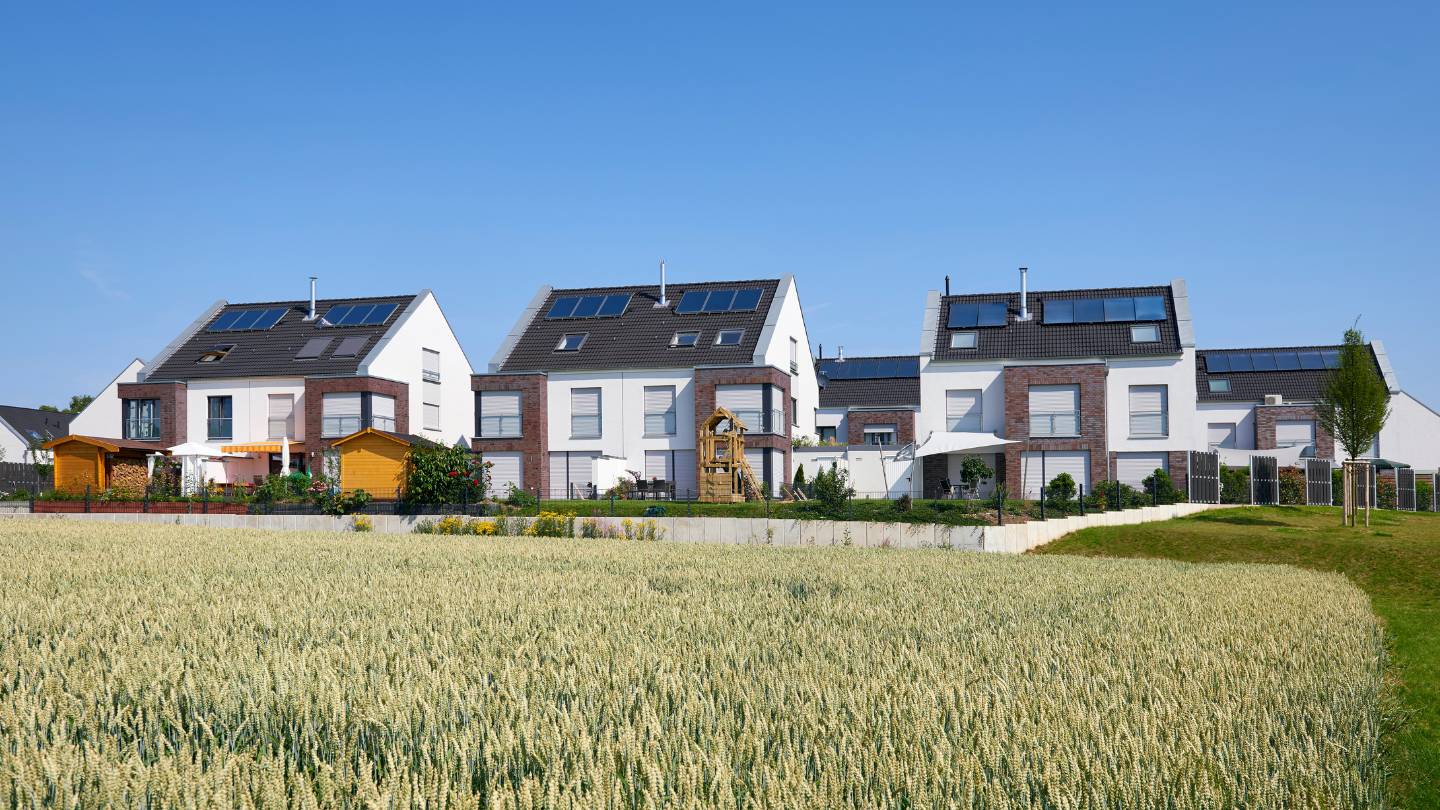
Choose If It's Better To Hire A Contractor Or Do It Yourself
It might be tempting to try to solve the maintenance problem on your own, whether you love doing it or are attempting to save money. However, there are times when there are better ways to go than doing it yourself.
Are you free at the moment? How much will the supplies (and your labour) cost? Is the repair something you're qualified to do? Before deciding to perform your maintenance, it is important to keep these things in mind.
Repairs are usually best left to experts. Verify they are trustworthy contractors who will respect your home and renters just as you would. It would help if you communicate with your contractor like you would with a renter.
Verify that the contractor clearly understands the problem, that you and the contractor agree on the necessary repairs, and that the renter is informed that the contractor will be doing the repairs (and when).
Spending Plan For Maintaining Rental Property
Lastly, landlords need to establish a financial strategy for upkeep. Even though maintenance issues rarely occur at convenient times, you may be ready for them by allocating cash in your budget specifically for repairs. Choosing a starting point might be challenging if you have never utilised a maintenance budget.
A landlord's recommendation for maintenance costs might range from two percent to ten percent of rental revenue, depending on the property's age and other factors. Keeping tabs on all maintenance costs for six months to a year helps when planning next year's budget.
Conclusion
This article provides advice on maintaining a duplex property, focusing on the importance of upkeep and preventing potential issues before they escalate. It highlights the responsibility of both landlords and tenants in maintaining the property.
Landlords must ensure that the property meets building and health codes, remove mold, and address pests promptly. They must also ensure that the property has functioning heating and cooling systems and running water, and that the property is safe and weatherproof.
Tenants are responsible for maintaining the property, including ensuring the property is clean and safe for renters. They must also follow specific maintenance instructions, such as regularly throwing out trash, fixing damage caused by the renter or their visitors, and addressing issues caused by property misuse under the lease agreement.
Landlords should remind renters to report maintenance issues on time, as failure to do so can escalate the problem. A straightforward system for reporting maintenance or repairs and prompt responses to requests can help tenants feel more comfortable and informed.
In summary, maintaining a duplex property requires a balance of responsibility from both landlords and tenants. By following these guidelines, landlords can streamline the upkeep process, reduce stress, and ensure the property remains in excellent condition for renters.
A house maintenance checklist is essential for maintaining the safety and comfort of your property, especially if you plan to move in or sell it. It helps prevent expensive repairs, enforces compliance regulations, improves one's standard of living, and increases market value.
To create a comprehensive checklist, divide it by month, year, and season, inspect frequently, respond quickly to plumbing issues, cover doors and windows, keep documentation of all maintenance services, and budget a specific amount for home maintenance each year.
Managing maintenance requests in rental duplex homes requires timely and appropriate handling of problems. A quick repair turnaround time is necessary when the problem is critical, and it is crucial to reply and schedule a suitable repair date. Always be punctual and keep renters and other parties informed about the problem, solution, and any further information they may need.
When choosing between hiring a contractor or doing it yourself, consider factors such as availability, cost, and qualifications. Repairs are usually best left to experts who respect your home and renters. Communicate with the contractor like you would with a renter, ensuring they understand the problem, agree on necessary repairs, and inform the renter of the contractor's schedule.
Landlords should establish a financial strategy for upkeep, allocating cash in their budget specifically for repairs. A landlord's recommendation for maintenance costs might range from two percent to ten percent of rental revenue, depending on the property's age and other factors. Keep tabs on all maintenance costs for six months to a year to help plan next year's budget.
Content Summary
- Investment properties require consistent upkeep to keep renters satisfied and maintain property value.
- A list of house care suggestions has been compiled to streamline investment property maintenance.
- Landlords may perceive property upkeep as a waste of time and money, but it is crucial for tenant satisfaction.
- 25% of landlords surveyed expressed the need for assistance in keeping up with property upkeep.
- The correct mindset and preparation can simplify property care, prevent major issues, and save money.
- First-time homeowners and seasoned landlords can benefit from advice on budgeting for routine maintenance.
- Landlords must promptly address maintenance problems in rental properties to ensure tenant satisfaction.
- Compliance with building and health codes is the landlord's responsibility, even if issues were fixed before occupancy.
- Landlords must address mould issues caused by water damage promptly and may hold tenants liable for neglect.
- Quick action is required for pest problems to prevent infestations, emphasizing regular preventative maintenance.
- Changing locks is a legal requirement for new tenants, reinforcing their exclusivity and the landlord's obligation.
- Landlords must ensure working heating, cooling, and water systems, repairing malfunctions per local laws.
- Property integrity, structural issues, and weather protection are the landlord's responsibility for a habitable space.
- Renters are responsible for frequent trash disposal to avoid unwanted guests like mould, bugs, and unpleasant odours.
- Renters must report any damage caused by them or their visitors and may be liable for repairs.
- Lease violations leading to property damage, such as smoking or having prohibited pets, are the tenant's responsibility.
- Landlords should remind tenants to report maintenance issues promptly to avoid escalation.
- A home maintenance checklist is crucial for the safety, comfort, and efficiency of the property.
- Regular maintenance helps avoid expensive repairs by addressing issues before they worsen.
- Compliance with homeowners association regulations, if applicable, requires regular property maintenance.
- Routine maintenance improves living standards, creating a comfortable and enjoyable home.
- Regular maintenance increases a property's market value, enhancing curb appeal for potential buyers.
- Efficient house maintenance involves creating a schedule, inspecting often, and responding quickly to issues.
- Monthly, yearly, and seasonal checklists help keep the property in good repair and habitable.
- Regular inspections of appliances allow for quick identification and resolution of potential problems.
- Swift responses to plumbing issues help prevent costly repairs like pipe replacements.
- Proper sealing of doors and windows ensures energy efficiency in heating and cooling systems.
- Documentation of all maintenance services helps during property sale or rental processes.
- Budgeting 1-4% of the property's value annually is advisable for covering repair costs.
- Timely and appropriate handling of maintenance requests is crucial for tenant satisfaction.
- A quick repair turnaround time is essential for critical issues to prevent further problems.
- Communication with renters about repair schedules is equally crucial for non-urgent issues.
- Deciding whether to hire a contractor or DIY depends on factors like expertise and cost.
- Repairs are generally best left to experts to ensure quality and compliance with property standards.
- Landlords need to establish a financial strategy for property upkeep, allocating funds in the budget.
- Allocating cash specifically for repairs helps landlords be prepared for unexpected maintenance issues.
- Planning a financial strategy is crucial, and landlords may allocate 2-10% of rental revenue for maintenance costs.
- Keeping records of maintenance costs for six months to a year aids in budget planning for the future.
Frequently Asked Questions
Regular maintenance tasks for a duplex property include:
- Cleaning gutters.
- Inspecting the roof for leaks.
- Servicing HVAC systems.
- Checking for plumbing issues.
Maintaining the exterior and interior spaces, such as repainting, fixing any structural damage, and ensuring proper insulation, is also important.
To reduce noise transfer between duplex units, consider adding insulation between walls and floors, installing soundproofing materials like acoustic panels, and communicating with neighbours about noise concerns. Additionally, enforce quiet hours and encourage respectful living habits among tenants or occupants.
Safety measures include installing smoke detectors, carbon monoxide detectors, and fire extinguishers. Regularly check and maintain these safety devices. Additionally, ensure that all entry points have secure locks and consider installing a security system or surveillance cameras for added protection.
Effective property management involves creating a maintenance schedule, promptly addressing tenant requests or concerns, and conducting regular inspections. Consider hiring a property management company to handle routine maintenance and tenant communication, freeing up your time and reducing stress.
To enhance curb appeal, focus on landscaping, exterior painting, and maintaining the appearance of common areas. Planting attractive flowers and shrubs, keeping walkways clear and well-lit, and maintaining a neat and inviting entrance can significantly improve the overall look of your duplex property.



