
Making a deck is a very personal process. Your home's appearance must be a top priority, or it will stand out as unappealing. Over time, a localised architectural style has developed in every large metropolis.
When one developer takes a cue from another, the result is a flavour that is distinctly your city's. There has been an abundance of new decking innovations over the last five to ten years.
House, Yard, and Rooftop Perspectives on the Site and Surrounding Area
Most mistakes in deck design involve either affixing a new deck to an already-existing ledger board or building a new deck that is a carbon copy of an existing one.
If you go this route, you'll have very few options and your ability to be creative will come to an end. Ledger boards or decks are often an afterthought in the construction of a house. It's even conceivable that it's not attached properly.
The door from the house is the primary means of accessing your deck.
Depending on where your door is located, will determine how high you want your deck to be initially.
Guardrails are optional for decks which are less than 2 feet from the ground. They look like a cross between a short person and a very tall person.
A low deck will obscure the ground below it, which could provide shelter for insects and other creepy crawlies.
The resistance of the low deck to mould or mildew depends on how well it can "breathe,"; therefore, this is a crucial factor to think about.
The upper levels will appear light in weight, giving the ship the appearance of floating.
In most cases, vast stairways would be necessary, and guardrails will be a necessity.
From lofty observation decks, the landscape at large may be displayed in all its glory. You can either use the space under the deck for storage or set up a dry spot to enjoy on wet days.
If you could describe the views, how would you describe them? Is there a snowy mountain peak where you are, or is there a water tower?
Spend time in the location at different times of day to get a feel for the daylight conditions you may expect there.
May I ask whether any trees around provide only partial shade? If not, a feature that can give shade should be added. Do you have a flat yard or a slope? Can I ask if your patio features a garden, a swimming pool, or a hot tub?
A well-designed website might highlight the site's strengths, whereas a poorly performed design will expose the site's weaknesses.
The shape of the land on which your deck will be built should be considered while deciding on its size and location. Alterations to the garden layout, ventilation systems, and HVAC systems are all possible if needed.
When placed thoughtfully, large trees can act as natural framing for deck ideas.
Determine Your Needs and Wants
Everyone wants to build their personal deck, but few know where to begin. It's how we suggest you launch your endeavour.
Think about the situation on a larger scale. Let go of the nitpicking. Imagine something. If you keep saying things like, "I want a deck similar to the one on our previous property," you clearly aren't putting in enough work.
Do not be afraid to think big and bold. It may be appealing to consider designing and installing your very own private terraced paradise, exquisite veranda, or other outside space.
If you want better results than your neighbour, don't choose a deck that's a carbon copy of theirs; instead, try this approach.
While it's possible that not all of these ideas can be implemented in their entirety, the ultimate result will be more satisfying if some of them were included.
Once we've got that settled, we can move on to discuss the fundamentals of constructing the deck of your dreams.
Do you want to go to the backyard via the elevated patio entrance? Have you been looking for a safe place to keep your grill? Do you need a place to dine, rest, and entertain friends outdoors throughout the summer?
Finding a common language to express your wants and needs is crucial to achieving your design goals. Considering a new project? Then MJS Construction Group builders Melbourne is the answer.
Stairs and Foot Traffic
Thinking about how people will be moving over your deck is important. Ensure you have adequate space to move around the barbeque and other furniture.
From any point on your deck, you should have unobstructed visibility of and access to the stairs and door leading inside your home.
Guardrails are used to define the edge of decks that are elevated above the ground.
A short rail of benches can assist in managing traffic and keep the view unobstructed on a low deck when guardrails are not required.
The interior deck areas must have passageways for people to walk down.
One simple way to create distinct zones is to switch up the direction in the decking runs.
By placing diagonal decking in a way that points in a particular direction, it is able to influence folks down a given movement path quietly.
The deck's main point of entry and a visual and functional focal point in the yard, the deck's steps, are an integral part of any deck design.
People can be moved around your deck in a variety of inventive and graceful ways when you use many levels, but you ought to be aware that sudden and drastic changes in height appear strange and can be unsafe.
Similarly, steps that are formed at an unusual angle or are otherwise hard to see should be avoided since they provide a risk of injury.
If you're trying to blend a low deck into the yard, you might want to think about sloping down around a corner and wrapping the stairs in a cascade. If your deck is not too tall, this may be a viable choice for you.
Options for Decking
It's crucial that you choose the right decking material again for desired aesthetic. Some people prefer the sight and feel of natural wood over that of synthetic materials.
This is especially true of cedar, redwood, and exotic hardwoods. Some people like low-maintenance materials since they may be found in a variety of colours and can be textured in various ways.
To choose the decking material that is best for you and your lifestyle, it is important to first learn about the available options.
To avoid damaging the floor with nails or screws, use concealed fasteners instead.
Staining a hardwood deck will protect it from weathering and wear and tear.
Choices of stain colour extend from the natural through deep reds, blacks, and greys. The colour scheme plays an important role in the design as a whole.
A border with a hilarious contrast can give a deck a new lease on life. Large decks that have large swaths of the same floor treatment can often look boring.
A location or vista can be highlighted by laying the decking in a herringbone and diagonal pattern. To distinguish their work, some deck designers create custom floor inlays.
Just Do It, It’s Free
Due to the massive increase in deck building over the past few decades, there is now an abundance of tried and true deck design options to choose from.
Think About Your Daily Routine
Thinking broadly about how the deck could enhance your life is a good place to start. I'm curious as to your plans for the deck.
For example, if you're not the social type, you may want to prioritise more intimate spaces like the dining room and the living room.
If you're a serious grill expert, you should spare no expense in creating your outdoor kitchen.
Collect input from loved ones on the ideal features for the new deck. Finally, when considering design elements, consider ideas like comfortable discussion pits, gardening containers, a spa to relax in, or just a clean path to carry the waste out.
Think About Traffic Flow And Use Areas
Once you've decided what's most essential to you, design a deck that allows you to do those things while still providing comfortable traffic lanes between and around them.
These niches and cubbies are often overlooked while planning a room layout.
There are designated "rooms" on your deck for eating, relaxing, preparing food, and mingling with guests.
Allow enough room for a dining set to be set up with chairs, as well as for a coffee table, small end tables, and any other decorative items that might be used in the room. See our list of available builder services melbourne to help you make an informed decision for your treatment.
Products That Last And Give You Pleasure To Use
Most people today prefer to invest a sizable sum of money in low-maintenance materials like composites, PVC, and many other finishing touches, including the decking, rail, fascia, and skirt.
Some would rather keep their money and build with treated lumber using (slightly) more expensive cedar to keep costs down.
In order to preserve the beauty of wooden surfaces, yearly pressure washing and sealing are recommended.
This, however, may be the ideal choice if you value a natural look and are willing to put in the necessary effort to maintain it.
Format and Measurement
To avoid having the deck look too large in relation to the rest of the house, some people recommend keeping it to no more than twenty per cent of the overall square footage of the house.
A larger deck may seem unnecessary if you don't spend much time caring for it, but if you divide it into several areas, it can give the idea of being an extension of your home.
There is no harm in having a square or rectangular deck, but you could liven things up by including some angles or curves.
Building will take longer, but these features can help your deck stand out from the crowd. By taking a "theme and variation" approach to design, you can ensure that a specific angle or curve appears more than once, albeit in different sizes.
Appropriate Areas for Preparing Meals and Dining
If you want to entertain visitors while you cook, you might want to consider installing a full outdoor kitchen, complete with a counter and various cooking appliances.
A dining counter with chairs directly across from the cooking area is a great idea if you want guests to be able to snack, taste, and provide suggestions while you prepare.
If you'd want to keep things simple when preparing food, it's a good idea to build a small alcove toward the side with room for a grill.
The alternative is to complete all of the cooking in the house, which may be just as enjoyable. Your ownership of a barbeque is not mandated by any governing body.
Focus on the Perspectives
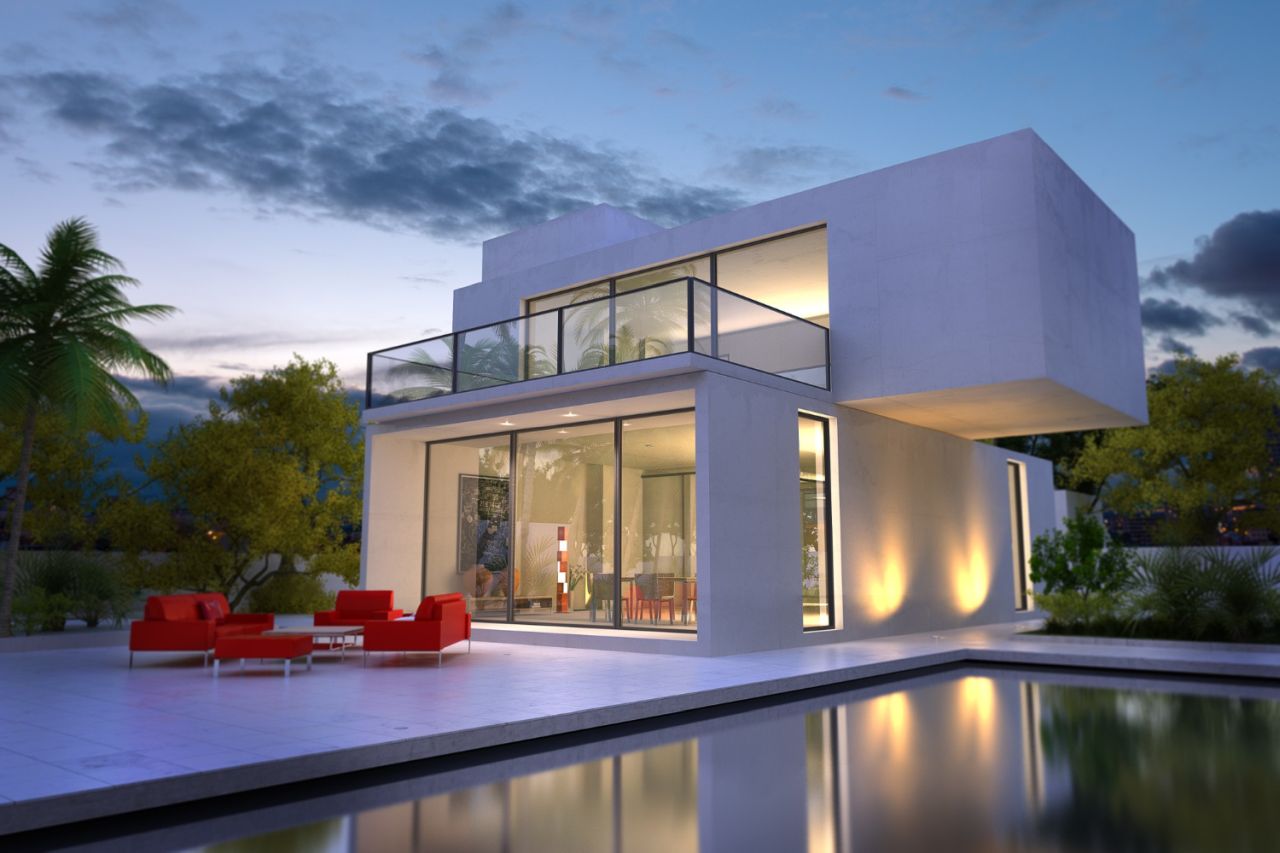
Consider the panorama, both outdoors on the balcony and indoors in the various rooms.
If the railing on your deck is too bulky and gets in the way of your view, you may as well not bother using it at all. What follows is a list of potential explanations.
Start by lowering the deck using platforms or sloping sections.
Since this is the case, either fewer railings will be needed or none will be needed at all.
You might even opt for railings that do have glass panels and even thinner balusters.
You should also arrange your deck's "rooms" in such a way that visitors are drawn to a certain perspective if it is more attractive than the others.
Build a Yard-To-House Bridge
If you want your deck to blend in with the rest of the house, you may do so by making it conform to the style of the rest of the building.
If you prefer to stand out, you can build your deck in a way that emphasises its natural, outside feel.
In many cases, the best aesthetic result can be achieved by using transitional materials just at the point where the deck slopes downward to meet the yard.
Whether the deck is built of natural wood or synthetic materials, stones, pavers, and bricks almost always look fairly nice next to it. You can't go wrong when you merge a deck or patio into one seamless area.
Objects That Stand Upright
It's natural to focus on the deck's surface, but the railing, skirting, and other vertical elements have a much greater impact on the deck's aesthetics.
Designing a railing might be difficult due to the abundance of available options.
It's important to take your time finding a railing that works with the space you have.
Ornamental skirting used to hide the bottom of a raised deck is an option.
If you have room in the basement for a patio, you might want to instal a stay-dry system so that you can still enjoy the patio while it's raining.
Light Fixtures with Flower Pots
If you don't live in a place where the weather is always perfect, a deck shade structure is a surefire way to make the warm months more bearable.
Putting up a pergola is the most common solution. How much shade is provided is directly related to how far apart the roof's rafters are.
If you live in a place where the sun is very strong, you might want to put up an awning.
Most deck owners would benefit from having at least one or two planters in their outside spaces.
A different option is to consider using really large containers for your plant life.
The versatility of planters is demonstrated by the fact that they may be fastened to a wide range of objects, from railings to seats.
Outdoor Space Resembling a Balcony
One of the most important things to think about when designing an outdoor deck is where to put it so that it takes advantage of a good view.
This balcony-style terrace overlooking the river is a wonderful example of maximising the available natural resources.
The stunning view is the main attraction on the uncluttered and comfortable terrace. It is important to have railings on a deck that is located at such a great height. A glass partition between the two halves of this terrace keeps the view unimpeded.
Outdoor Spaces With Swimming Pool And Spa
By installing decking on a single plane, it is possible to create a uniform area around the pool or hot tub.
We hid the hot tub under the decking so that the space would look neat and uncluttered.
The deck's design also works in harmony with the house's aesthetic. It links the many floors of the building and can be reached from various points.
Deck and Patio in One
Do you have trouble deciding between building a deck and installing a patio? Some situations allow for the simultaneous fulfilment of both objectives.
Though this outdoor area is small, it has been effectively partitioned into deck and patio areas.
The wooden deck is for dining and sitting, while the patio is for relaxing and is furnished with pots to make it look like a garden oasis.
Multiple colour, pattern, and texture layers are created when two flooring materials are used across a room.
Wooden Roof Terrace
Hardwoods like teak and iroko (seen in the image) make for beautiful decking surfaces. Most of them are weatherproof and bug-proof, as well as extremely long-lasting.
Hardwoods are the preferred material for rooftop decks due to the fact that they can withstand more damage from the elements than other deck materials if they are not under the shelter of an overhanging building or tree.
Rooftop decks often won't necessitate any additional landscaping on the ground level. They are also the most private section of a deck, which is ideal for busy city dwellers.
Stairs Straight to the Deck
Decks with wide, considerable steps may be preferable to those with a single, uniform level.
As an illustration, the three wide stairs that are a part of this ipe wood deck can also be used as outdoor seating.
There are now giant square pillows installed on each step to make the journey more pleasant.
In addition, the varying heights of the steps can make them look like tiered pots, making them a great place to showcase plants.
Protected Outdoor Space with Screens
If you live in an area that frequently experiences heavy precipitation or has a high population of mosquitoes and other insects, then an enclosed deck is the perfect solution to your outdoor space needs.
In terms of exterior screen materials, fibreglass is by far the most popular and economically viable alternative.
Some of the additional materials and choices include aluminium, stainless, bronze, copper, or sun-blocking screens.
When temperatures are high, an outdoor ceiling fan can be a welcome addition. If you're looking for a high-quality, affordable builder in Melbourne, you're in the right place! Check MJS Construction Group!
FAQs About Deck Design Ideas
Personalise your deck with painted furniture and fun accents. Pick a colour scheme that enhances your home's exterior, and try updating old or plain metal furniture with new hues. Other colourful accessories, such as pillows, throws, vases, and bowls, can also cozy your outdoor seating.
Most builders suggest that your deck should be no larger than 20 per cent of the house's square footage. It is so that the deck does not overwhelm a home visually. It is because, of course, it is up to you. Feel free to feel you need a larger deck that takes up more of your yard space!
Essentially a creative deck is a slideshow, or presentation, that serves as a mood board and illustrates the basic story of your idea.
Choose wood, but carefully: Untreated wood decks are generally the cheapest to install but don't forget long-term costs. Wood decks require yearly maintenance and deteriorate quickly if they don't get it.
Standard stripe decking will never go out of fashion. However, it does arguably lack inspiration in terms of originality and innovation. Creative decking configurations are on the rise as more and more people are taking an expressive approach to deck design and exploring their artistic side.
Conclusion
Deck building is an intimate and individual experience. If you don't put effort into making your home look nice, others will notice.
Adding a new deck to an existing ledger board is a common source of confusion. Consider how effectively the low deck can "breathe," as this will affect how resistant it is to mould and mildew.
When deciding on the size and placement of your deck, it is important to consider the contours of the ground on which it will be built.
Wood is a natural material, and its appearance and texture may appeal more to some people than man-made ones. It's easy for a huge deck's floor to become monotonous if it's covered in the same material everywhere.
You can customise the free deck designs and deck design on Decks.com to meet your individual demands without having to pay anything.
Don't skimp on the outdoor kitchen's amenities if you're a true grill enthusiast.
For those who are not naturally gregarious, private areas like the dining room and living room may be more appealing.
If you don't plan on spending a lot of time maintaining your deck, an expansion could seem like a waste of money.
Using transitional materials at the precise location where the deck slopes down to meet the yard yields the best visual outcome.
If your basement is large enough to accommodate a patio, you may keep using it even when it rains by installing a stay-dry system. If you own a deck, you should probably have at least a few planters.
It is not always necessary to instal extra landscaping on the ground level when you have a rooftop deck. Hardwoods such as teak and iroko provide stunning decking. Among other options for exterior screen materials, fibreglass is the most common and cost-effective.
Content Summary
- Your home's appearance must be a top priority, or it will stand out as unappealing.
- There has been an abundance of new decking innovations over the last five to ten years.
- Ledger boards or decks are often an afterthought in the construction of a house.
- The door from the house is the primary means of accessing your deck.
- Depending on where your door is located, will determine how high you want your deck to be initially.
- Guardrails are optional for decks that are less than 2 feet from the ground.
- The resistance of the low deck to mould or mildew depends on how well it can "breathe,"; therefore, this is a crucial factor to think about.
- The upper levels will have the appearance of being light in weight, giving the ship the appearance of floating.
- The shape of the land on which your deck will be built should be taken into account while deciding on its size and location.
- Alterations to the garden layout, ventilation systems, and HVAC systems are all possible if needed.
- When large trees are placed thoughtfully, they can act as natural framing for deck ideas.
- Once we've got that settled, we can move on to discuss the fundamentals of constructing the deck of your dreams.
- Finding a common language to express your wants and needs is crucial to achieving your design goals.
- Thinking about how people will be moving over your deck is important.
- Make sure that you have adequate space to move around the barbeque and other furniture.
- From any point on your deck, you should have unobstructed visibility of and access to the stairs and door leading inside your home.
- The interior deck areas must have passageways for people to walk down.
- One simple way to create distinct zones is to switch up the direction in the decking runs.
- Placing diagonal decking in a way that points in a particular direction, it can influence folks down a given movement path quietly.
- People can be moved around your deck in various inventive and graceful ways when you use many levels, but you ought to be aware that sudden and drastic changes in height appear strange and can be unsafe.
- If you're trying to blend a low deck into the yard, you might want to think about sloping down around a corner and wrapping the stairs in a cascade.
- If your deck is not too tall, this may be a viable choice for you.
- It's crucial that you choose the right decking material again for desired aesthetic.
- To choose the decking material choice that is best for you and your lifestyle, it is important to first learn about the options available.
- The colour scheme plays an important role in the design as a whole.
- Due to the massive increase in deck building over the past few decades, there is now an abundance of tried and true deck design options to choose from.
- If you're not the social type, for example, you may want to prioritise more intimate spaces like the dining room and the living room.
- If you're a serious grill expert, you should spare no expense in creating your outdoor kitchen.
- Collect input from loved ones on the ideal features for the new deck.
- There are designated "rooms" on your deck for eating, relaxing, preparing food, and mingling with guests.
- Allow enough room for a dining set to be set up with chairs, as well as for a coffee table, small end tables, and any other decorative items that might be used in the room.
- Most people today prefer to invest a sizable sum of money in low-maintenance materials like composites, PVC, and many other materials for the finishing touches, which include the decking, rail, fascia, and potentially skirt.
- To avoid having the deck look too large to the rest of the house, some people recommend keeping it to no more than twenty per cent of the overall square footage of the house.
- A larger deck may seem like an unnecessary expense if you don't spend much time caring for it, but if you divide it up into several areas, it can give the idea of being an extension of your home.
- There is certainly no harm in having a square or rectangular deck, but you could certainly liven things up by including some angles or curves.
- If you want to entertain visitors while you cook, you might want to consider installing a full outdoor kitchen, complete with a counter and various cooking appliances.
- If you'd want to keep things simple when preparing food, it's a good idea to build a small alcove toward the side with room for a grill.
- Your ownership of a barbeque is not mandated by any governing body.
- If the railing on your deck is too bulky and gets in the way of your view, you may as well not bother using it at all.
- Start by lowering the deck using platforms or sloping sections.
- You should also arrange your deck's "rooms" so that visitors are drawn to a certain perspective if it is more attractive than the others.
- If you want your deck to blend in with the rest of the house, you may do so by making it conform to the style of the rest of the building.
- If you prefer to stand out, you can build your deck in a way that emphasises its natural, outside feel.
- It's natural to focus on the deck's surface, but the railing, skirting, and other vertical elements have a much greater impact on the deck's aesthetics.
- Designing a railing might be difficult due to the abundance of available options.
- It's important to take your time finding a railing that works with the space you have.
- If you have room in the basement for a patio, you might want to instal a stay-dry system so that you can still enjoy the patio while it's raining.
- If you don't live in a place where the weather is always perfect, a deck shade structure is a surefire way to make the warm months more bearable.
- How much shade is provided is directly related to how far apart the roof's rafters are.
- If you live in a place where the sun is very strong, you might want to put up an awning.
- One of the most important things to think about when designing an outdoor deck is where to put it so that it takes advantage of a good view.
- This balcony-style terrace overlooking the river is a wonderful example of maximising the available natural resources.
- The stunning view is the main attraction on the uncluttered and comfortable terrace.
- It is important to have railings on a deck that is located at such a great height.
- We hid the hot tub under the decking so that the space would look neat and uncluttered.
- Do you have trouble deciding between building a deck and installing a patio?
- Some situations allow for the simultaneous fulfilment of both objectives.
- Though this outdoor area is small, it has been effectively partitioned into deck and patio areas.
- The wooden deck is for dining and sitting, while the patio is for relaxing and is furnished with pots to make it look like a garden oasis.
- Multiple layers of colour, pattern, and texture are created when two flooring materials are used across a room.
- Rooftop decks often won't necessitate any additional landscaping on the ground level.
- They are also the most private section of a deck, which is ideal for busy city dwellers.
- Decks with wide, considerable steps may be preferable to those with a single, uniform level.
- As an illustration, the three wide stairs that are a part of this ipe wood deck can also be used as outdoor seating.
- The varying heights of the steps can make them look like tiered pots, making them a great place to showcase plants.
- If you live in an area that frequently experiences heavy precipitation or has a high population of mosquitoes and other insects, then an enclosed deck is a perfect solution to your outdoor space needs.
- In terms of exterior screen materials, fibreglass is by far the most popular and economically viable alternative.
- Some of the additional materials and choices include aluminium, stainless, bronze, copper, or sun-blocking screens.
- When temperatures are high, an outdoor ceiling fan can be a welcome addition.



