
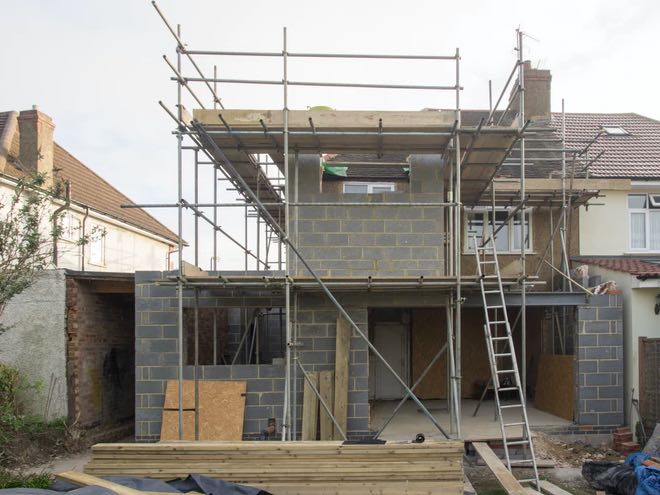
You can build something new, remodel an existing structure, or start with a blank slate by purchasing property and starting from scratch.
Not only will the project's budget and schedule be affected by your decision, but so too will the final product's structure.
The best approach for your project will depend on your goals and the structure or land in question.
In this article, we'll go over some high-level considerations that can help you decide if a new construction or renovations make more financial sense.
Whether to build is the issue at hand.
A common question we get from homeowners is whether they should build a new house or remodel the one they already have.
Whether or not you should move depends on several factors, including how near you currently live to your ideal home, how you feel about where you live now, and your long-term financial goals and ambitions.
Think through the upsides and downsides of every possibility before choosing a choice.
Commonly Used Terms
A homeowner may benefit from this if they are conversant with the terminology of their trade.
Many people in the construction industry incorrectly use the same phrase for different things, despite the fact that there are important conceptual differences between these names.
The first of these is "renovate," which is to improve something by making it more presentable through maintenance or alteration.
It is necessary to do this treatment when a home has been exposed to the elements for a long period of time and is showing signs of wear and tear.
Examples of this type of maintenance include painting, replacing gutters and downspouts, fixing roof eaves damaged by water seepage during typhoons, and cleaning a storm drain.
Considering a new project? Then MJS Construction Group builders Melbourne is the answer.
Examples of what is meant by "remodel" and "remake" include making changes to a home's structure or aesthetic.
This is the situation if the homeowners wish for their property to conform to contemporary architectural standards; for example, if they wish to move away from the more ornate designs of the past and embrace the more spare minimalism of today.
Historically, a style that evoked the Mediterranean was a favourite among interior decorators.
However, in recent years, a trend has emerged wherein many homeowners prefer a style evocative of the minimalist aesthetic or a stylised Asian design.
Restoration also goes by the names reconstruction and rebuilding, all of which means putting something back together after it has been broken or destroyed.
Fire- and earthquake-ravaged homes are two common instances.
These two terms have been used frequently recently to describe the ongoing work to restore buildings damaged by the latest supertyphoon.
To rephrase the initial question, "How can you tell if you should renovate or develop a new structure?" I want to present a few points for your consideration.
First, it must be decided whether or not something should be kept.
One probable explanation is something as personal as passing down a family house.
Emotional issues need to be worked through before moving on to the technical aspects.
Renovation and New Construction - An Overview
New construction might mean several things depending on the context. The house is designed and built from the ground up. All of the building components and fixtures are new and recently installed.
The term "renovation" is used to describe the process of making changes to an existing building for various purposes.
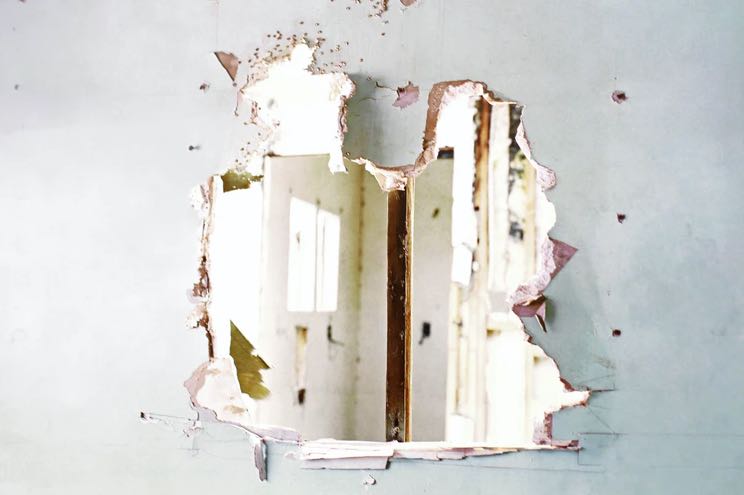
New Construction
Building a bespoke home involves extensive collaboration between the homeowner and a wide range of specialists, such as an architect, builder, and interior designer.
Everything from the home's architectural style to its placement on the property to the inside finishes will fall under this category.
Renovation
When we talk about renovating anything, we mean making changes to something that already exists.
Any number of changes can be made during a home renovation, from updating a single space to tearing everything out and beginning again.
In spite of this, you will have a considerable say in the final product; nevertheless, your preferences will be constrained by the parameters already set.
Check this list of Melbourne builder services to help you make an informed decision for your treatment.
When You Should Consider Renovating:
- There is no denying the importance of a good location, and you have grown quite attached to the area you currently call home. It might be challenging to gain access to desirable areas.
- Renovating could be the best option if you don't want to consider moving. But before you commit, you should probably make sure that there are no openings in the area of your choice that are currently on the market.
- You've developed strong sentimental ties to your existing residence, making the prospect of relocating a source of anxiety. It's a smart idea to renovate if you don't want to sell your current property but have enough money to make some upgrades. Be sure to get municipal approval for your plans before starting construction; you may not have as much leeway as you'd want.
- Neighborhood Property Values are On the Rise, Meaning You Could See a Bigger Return on Your Investment. Ask a real estate agent about the current state of the market in your area to determine whether it would be beneficial to sell now or wait.
- Home Value Issues Despite Being in a Great Location, Your House Needs Way More Repairs Than the Average House in the Neighborhood. It's important to get the most money possible when selling your current home because of the high cost of constructing a new one. If you're planning to sell your current house in the near future, investing in some renovations will help you get the most money possible out of the sale.
- The majority of new construction lacks the charm and history of older homes. It's a smart idea to renovate if you've fallen in love with your home's historic character and can't picture yourself in a more contemporary dwelling. Any brand-new structure can benefit from the addition of charm. Nevertheless, the price tag may be high if a lot of work needs to be done.
- Constructing a new home might take weeks or months, depending on several factors, including the time of year and the degree of favourable weather. Renovating is the greatest option if time is of the essence. Renovating normally takes less time than building a new home, however this obviously depends on the extent of the work that needs to be done.
When You Should Build New:
- Property with Prime Locations Available - Although you adore the area around your home, you despise living there. It's not always more economical to build from scratch than to renovate first. It could be an excellent time to relocate if there are openings in your prefered communities. Lots in desirable areas tend to sell quickly, so if you want to construct a home there, now might be the time to do it.
- Low Resell Value – Compare the Price of Remodeling to the Price of New Construction before making your final decision. It is possible that the price of renovations will exceed the profit made on the sale of a home. Before spending money on a makeover that won't pay off, talk to a real estate agent. In that scenario, starting from scratch might be the best choice.
- You're stuck in your current home and would like to make some upgrades, but you can't. It's possible that your property is too small, or that the authorities denied your application for the necessary building permissions. Limits on the kinds of improvements you're allowed to make in certain neighbourhoods may reduce your freedom of choice. When you construct something from scratch, you have greater leeway to make it exactly how you want it.
- Problems with the home's structure mean that it should be demolished rather than repaired. Not every home can be salvaged, even if you have the money to try. If you have any doubts about the stability of a structure, you should see an expert. Putting up a new house is likely to be less expensive than fixing up an old one that is hazardous and in need of extensive repairs.
- Depending on the extent of the necessary repairs or the age of the home, new construction may be more cost-effective than renovations. Try setting a spending limit that you can live with, and then see which choice offers the most value. The higher resale value of modern properties is something to keep in mind.
- Problems galore It's not uncommon for seemingly minor repairs to balloon into major undertakings. You never know what's behind those walls until you start knocking them down, so there's a lot of mystery surrounding renovations. When constructing anything brand new, there are fewer hiccups and more certainty in what you're getting.
- Living through a remodel is difficult. Dust and other particles can make a mess that is difficult to clean up. To add insult to injury, rearranging or storing furniture can be a pain, making it more difficult to get to items that were previously within easy reach. When you're the one doing the job, there's no such thing as a comfortable remodelling.
Structural rigidity
My starting point is the house's structural integrity.
To find out if the beams and columns are still stable, you can consult with your structural engineer, who may examine the available designs.
This is a crucial factor to think about if you want to build up an additional floor.
An additional floor or room built on top of columns and beams that were not designed to hold the additional weight is the leading cause of structural collapse in the great majority of residences and commercial buildings.
Logic dictates that you shouldn't act in this way. MJS Construction Group provides the most comprehensive suite of services for a builder with a focus on dual occupancy, so you can get the home of your dreams built.
Another option is to contact the service providers who had supplied your prior address.
While it's true that faulty electrical lines can increase the risk of a house fire, the expense of water damage caused by leaky pipes is negligible in comparison.
It's possible that fixing these utility lines will be a part of the renovation's larger plan.
Green design principles
My client wanted more space in the house but didn't want to give up the garden. The answer is to expand vertically.
After making sure that the columns and beams could handle the building's load, we included green design principles into the project.
Much of the available materials were put to good use once again through recycling and repurposing.
The rafters, stringers, and railing from the previous set of stairs were salvaged and used in the creation of the current set. The worn out floor tiles were converted as path pavers for usage all over the yard.
The original French doors were transformed into clerestory windows to let in more natural light and make the main rooms feel more spacious.
Repurposed wrought-iron grilles were installed in some areas to achieve the necessary level of security.
Existing living space was merged into the new design by means of a shared wall with large windows that looked down into the living area.
Creating the impression of a stack and a pleasant breeze, the sloped ceiling of the living room features clerestory windows with air outlets incorporated into them.
Since most of the sleeping quarters are upstairs, the living, dining, and gaming areas were planned around a central garden.
Sliding glass doors provide easy access to these high-traffic areas while also letting in fresh air and light.
One of the signs of a job well done on a restoration project is when the old and new are seamlessly integrated. Nothing about the project need to look like an afterthought.
If proper preparation is made and close collaboration is maintained with the owners, this integration can be accomplished.
Considerations for Renovation
Before starting any kind of remodelling job in an existing home, it is crucial to learn as much as possible about its current condition.
Once you have learned as much as possible about the home's past, you should do as much research as possible on the foundation's structural soundness and general health.
If the house's foundation is compromised or the framework has been weakened, it would be not very smart to spend a lot of money fixing it up.
Depending on the amount of the damage, you may decide that it's better to demolish the existing house and build a new one from the ground up.
Either familiarise yourself with the limitations and building rules in your area, or employ a builder or renovator in the planning stages.
There are sometimes regulations in place that restrict the types of updates that can be done to older homes inside the limits of historic districts.
It's not as easy to make changes to a home if it's on the Historical Register.
If you want to know if your home complies with current construction rules, you should talk to the company that built or renovated it.
All brand-new construction must adhere to the regulations going forwards.
Should you rewire the entire house after an inspection of the current wiring, or just the remodelled area?
Will it still make sense economically to carry out the renovation if the mechanical systems need to be totally redesigned?
Think about upkeep in the long run.
The parts of the house that haven't been renovated in recent years will probably need more upkeep than the newer additions.
Introducing new system updates may reduce the need for future repairs and replacements.
Finally, why are you thinking about remodelling if you have no immediate plans for the house? Basically, you want to get some rest, right?
Do you want to have extra room to host parties or do you need more room for your family?
Considerations for Building New
You could be erecting a new structure because you've decided to move to a different location, or you could have decided to demolish an existing structure to make way for it.
The first step in working with a custom builder is discussing the site for the future home.
- Where can I find information about the municipal regulations concerning construction?
- How is the atmosphere and the weather? Do you require a structure that can withstand severe winds and possible hail storms? Do you live in an area prone to flooding?
- How will the soil affect the construction of your building?
- Is there a requirement that buildings be of a certain age, have a certain sort of roof, or be painted a certain colour?
- Where can I find out the availability of various commodities and temporary labour?
To help you address these issues, the design team for your new custom home should include an architect, a builder, and an interior designer.
Each team member contributes their own special set of skills, knowledge, and perspective.
Together, they can help you create a house plan that will serve your needs and those of your family well into the future.
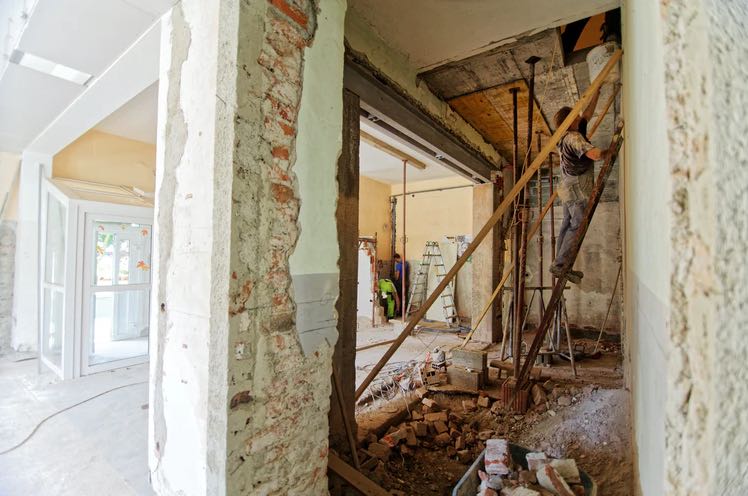
Remember the people who will be living in the house as you construct it.
How do you wish to spend your free time? What sort of living arrangements would support that?
In what capacity do you require the available space? Will you be living alone as you age, or will you have little children or elderly parents moving in with you?
Now is the moment to offer your input, so please do not hold back.
Make sure the team knows what you need in your new home, especially if it's something that's mandatory.
Make sure everyone is on the same page by being prepared to delve into specifics.
Since this will be a brand-new home, there will be a lot of choices to make, but your design and construction team will be able to help you coordinate those decisions.
Your dream home can become a reality when you work with MJS Construction Group, since we provide the finest selection of dual occupancy options.
It's feasible that constructing a brand-new home will take longer to complete than updating an existing one.
It's crucial to remember that the time it takes to get all the necessary permits, prepare the building site, and actually build a new house can easily add up to several months.
You can use the information in this article to make educated choices about home construction. At MJS Construction Group, we go the extra mile for our clients.
Now that you have a sense of the big picture, sit down with your loved ones and write a list of what you can't live without and what you can let go of in order to keep your household running smoothly.
Your ability to make decisions will improve as you better understand your wants and needs. Just make sure your expectations are realistic.
Make a choice not based on what you really need but on what you can get by with temporarily if it would lead to something good in the long run.
Conclusion
It all comes down to the aims of the project and the structure or land in question when determining the best course of action. One has the option of either starting from scratch or modifying an already existing structure.
Weigh the benefits and drawbacks of all your options before making a decision.
The term "renovation" is used to refer to the process of making alterations to something that already exists. If you'd rather not relocate, remodelling may be your best bet.
If you're set on a specific location, though, you should check to see if any suitable openings exist before settling down.
Property values in the area are increasing, which means you can get a better return on your investment.
If you're hoping to move and there are now vacancies in your desired neighbourhoods, now might be a great time to do it.
There has never been a better time to build a home than now, as lots in popular regions sell out quickly. Sometimes the cost of repairs and upgrades outweighs the return on investment gained from selling a house.
In such a scenario, a clean slate might be preferable.
When making anything from scratch, there are less surprises and more reliability in the end result.
The most common reason for a building to collapse is the construction of a story or room on top of a set of columns and beams that were not intended to support that much extra weight.
If you're looking for a builder who specialises in multi-family dwellings, look no further than MJS Construction Group.
It is important to find out as much as you can about the state of an existing home before beginning any renovation project.
If the house's foundation or framework has been damaged, it would be wasteful to invest heavily in repairs. It's possible that the reason you're building something new is to accommodate a relocation.
Another option would have been to demolish an existing building to create room for it.
Meeting with a custom builder to discuss a potential building site is the first step in the process of creating a new home.
Your design and construction team will be able to help you organise the many decisions that will need to be made.
Keep in mind that it will take more time to build a new house than to renovate an existing one.
Content Summary
- The best approach for your project will depend on your goals and the structure or land in question.
- In this article, we'll go over some high-level considerations that can help you decide if a new construction or renovations make more financial sense.
- To rephrase the initial question, "How can you tell if you should renovate or develop a new structure?"
- It's a smart idea to renovate if you don't want to sell your current property but have enough money to make some upgrades.
- If you're planning to sell your current house in the near future, investing in some renovations will help you get the most money possible out of the sale.
- It is possible that the price of renovations will exceed the profit made on the sale of a home.
- Depending on the extent of the necessary repairs or the age of the home, new construction may be more cost-effective than renovations.
- The higher resale value of modern properties is something to keep in mind.
- My starting point is the house's structural integrity.
- To find out if the beams and columns are still stable, you can consult with your structural engineer, who may examine the available designs.
- This is a crucial factor to think about if you want to build up an additional floor.
- After making sure that the columns and beams could handle the building's load, we included green design principles into the project.
- Once you have learned as much as possible about the home's past, you should do as much research as possible on the foundation's structural soundness and general health.
- Finally, why are you thinking about remodelling if you have no immediate plans for the house?
- The first step in working with a custom builder is discussing the site for the future home.
- Make sure the team knows what you need in your new home, especially if it's something that's mandatory.
- Since this will be a brand-new home, there will be a lot of choices to make, but your design and construction team will be able to help you coordinate those decisions.
- Your ability to make decisions will improve as you better understand your wants and needs.
FAQs About Build Or Renovate A Home
After all, the idea behind the renovation is that much of the existing structure can be retained, while with new construction, everything has to be built. In theory, this is true. Renovation projects cost less compared to new construction.
When compared to new construction, renovations can often be the quicker option. Because you're not starting from scratch, and many of the necessary building elements are already in place. They can be integrated into the renovated building. Your construction team will have much less work to do.
There may be utilities that aren't sufficient for your new user or are not up to today's building codes. You may also have to make adjustments for accessibility or environmental needs. Sometimes surprises are minimal, but every renovation has them. Constraints.
It's perfectly fine to renovate your new builder's house. I would say it's better because it will be unique and completely your style.
Restoration is perfect for minor fixes such as repainting walls and replacing broken windows. If the business needs more aesthetics and functional elements to the building without changing the structure, then renovation is the way to go.



