
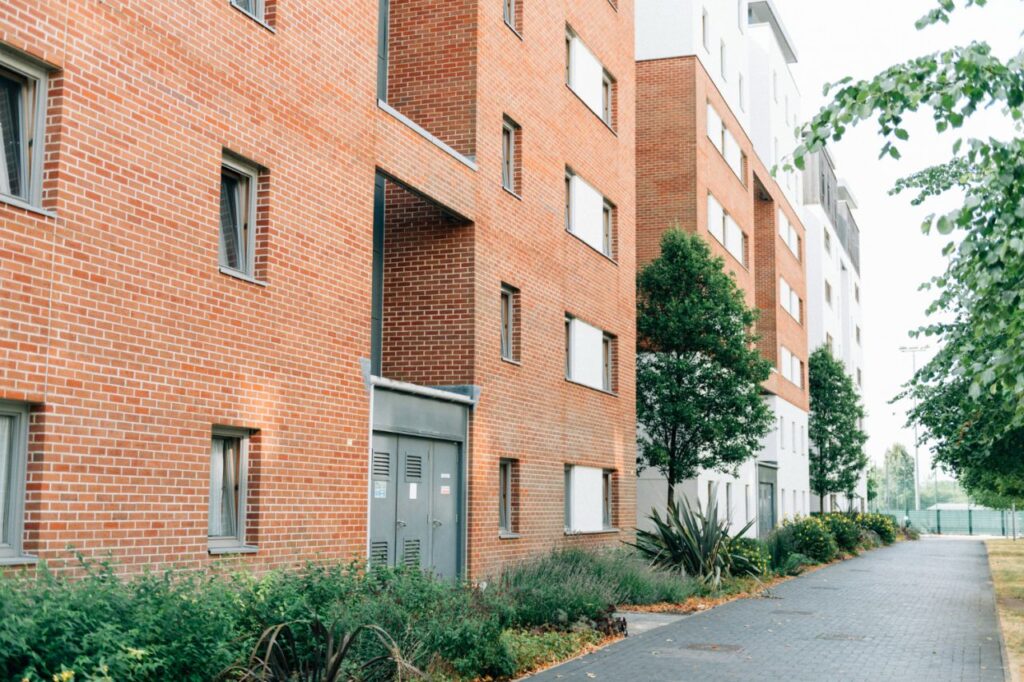
We're particularly fond of luxury homes on the beach that push the envelope of excess.
A few of the suggestions and ideas are filed away in our heads, and we may use them in our own homes.
Over the years, we have devoted considerable effort to keeping abreast of developments in the fields of architecture and interior design.
A few of our most favourites will be summarised for you today. If you want to live a luxurious lifestyle, start implementing the suggestions here into your own home. Permit me to take a look.
How Can You Make Your Home More Luxurious?
Curtains Should Be Long And Wide
Ordinary, unremarkable blinds or shades can be found in many houses and apartments.
One easy way to make your windows look nicer is to hang your curtains to that they are short enough to touch the ceiling and long enough to reach the floor.
If you draw back the drapes, it may appear as though the space is more expansive than it reality is.
This is because having shorter curtains will emphasise the modest size of your windows and/or ceilings. Also, lengthier window treatments are more aesthetically pleasing and sophisticated than shorter ones.
Don't Ignore The Art
Spending a large amount of money on wall art is not required, but leaving blank walls is not an option.
For a small investment in art prints and frames, you may give your home a sophisticated appearance reminiscent of that found in expensive models.
You may achieve the same effect as if you had hung a few carefully selected works of art on the wall.
You can also use canvas prints of family photos in place of real artwork.
Consider Pendant Lighting
Home improvement projects that improve lighting are crucial; without it, you will not be able to see well enough to play a few hands of blackjack so at Euro Palace Casino, could you?
Regular nightstands, side tables, and light fixtures, on the other hand, may look boring and unimaginative. If you like, you can choose a variety of pendant lights but then scatter them over the space.
Pendant lights, which come in an almost infinite variety of styles, instantly elevate the look of any room.
Remove The Clutter
Take the most recent instance of a beautiful, high-priced property you saw that was utterly overrun with clutter.
Because of this, those homes look much more incredible than they do from afar.
Donate or discard goods you no longer need; clean and arrange anything that will be on display; and strategically place containers to conceal the clutter you haven't yet sorted.
Simply clearing up clutter and returning it to its rightful spot may dramatically affect how your home appears.
Interior Doors Should Be Painted
It's a trick employed by decorators to make their spaces appear fancier, and you can give the appearance that your own home is more sophisticated by employing the same strategy.
Instead of going with a neutral colour like white, go for a more daring colour that will function as an accent. The colour white is often used.
You can also improve a room's appeal by replacing the handles on its doors and drawers with something classier.
A blackjack session only at Euro Palace casino would take longer than it would take you to complete this easy task.
Make Your Own Architecture If You Don't Have Any
Using fake wood and tile, you can make your home as well as apartment look like it has crown moulding or built-in shelves.
Faux wainscoting, ceiling plate, ceiling panels, and panelled walls can give the appearance of the real thing without the price tag.
Considering a new project? Then MJS Construction Group builders Melbourne is the answer.
Soft Furniture
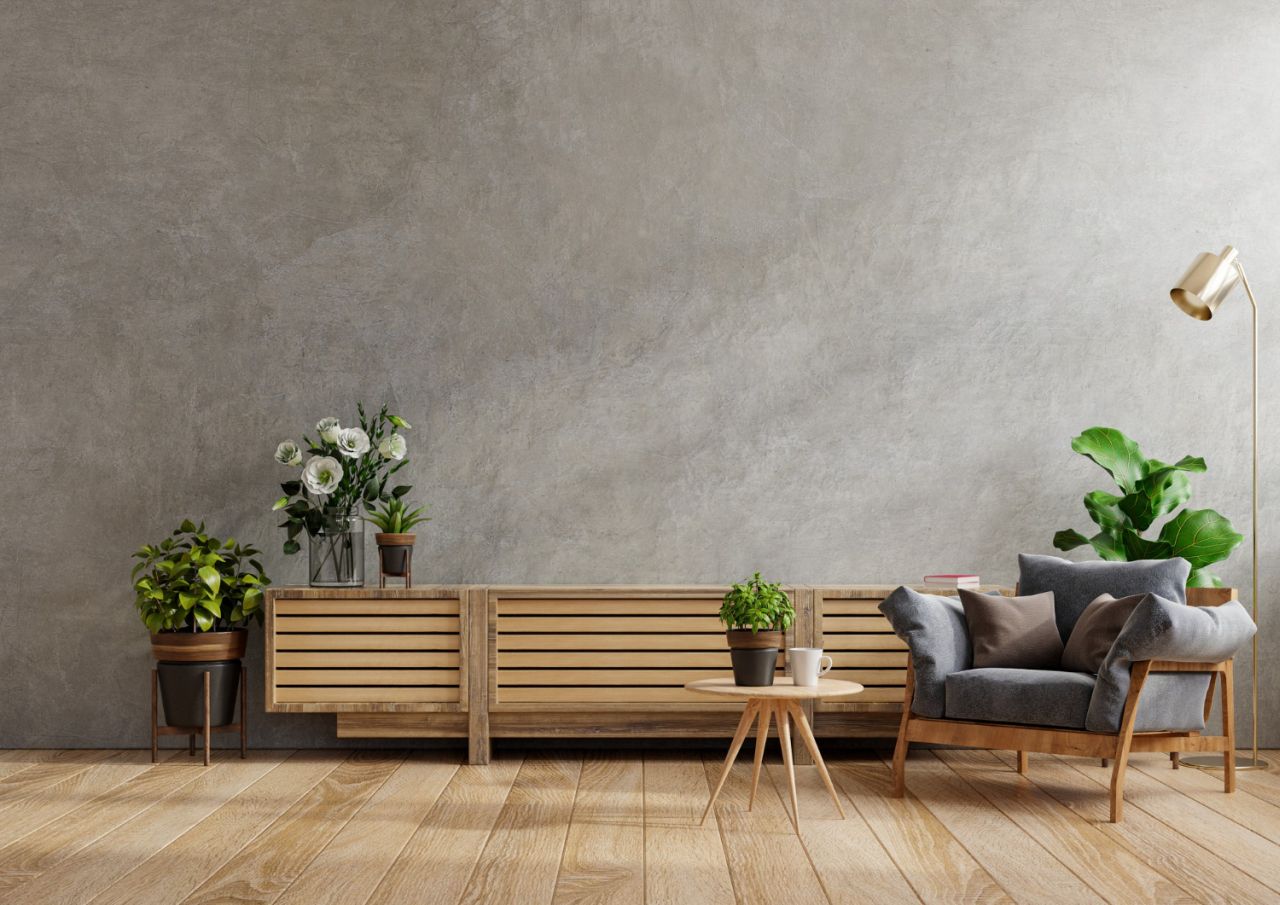
If you ask any high-end interior decorator worth their salt, they will all tell you that the devil lies in the details.
Details like these give your home an air of elegance and class.
Getting them always right has a multiplicative effect that can significantly affect the result.
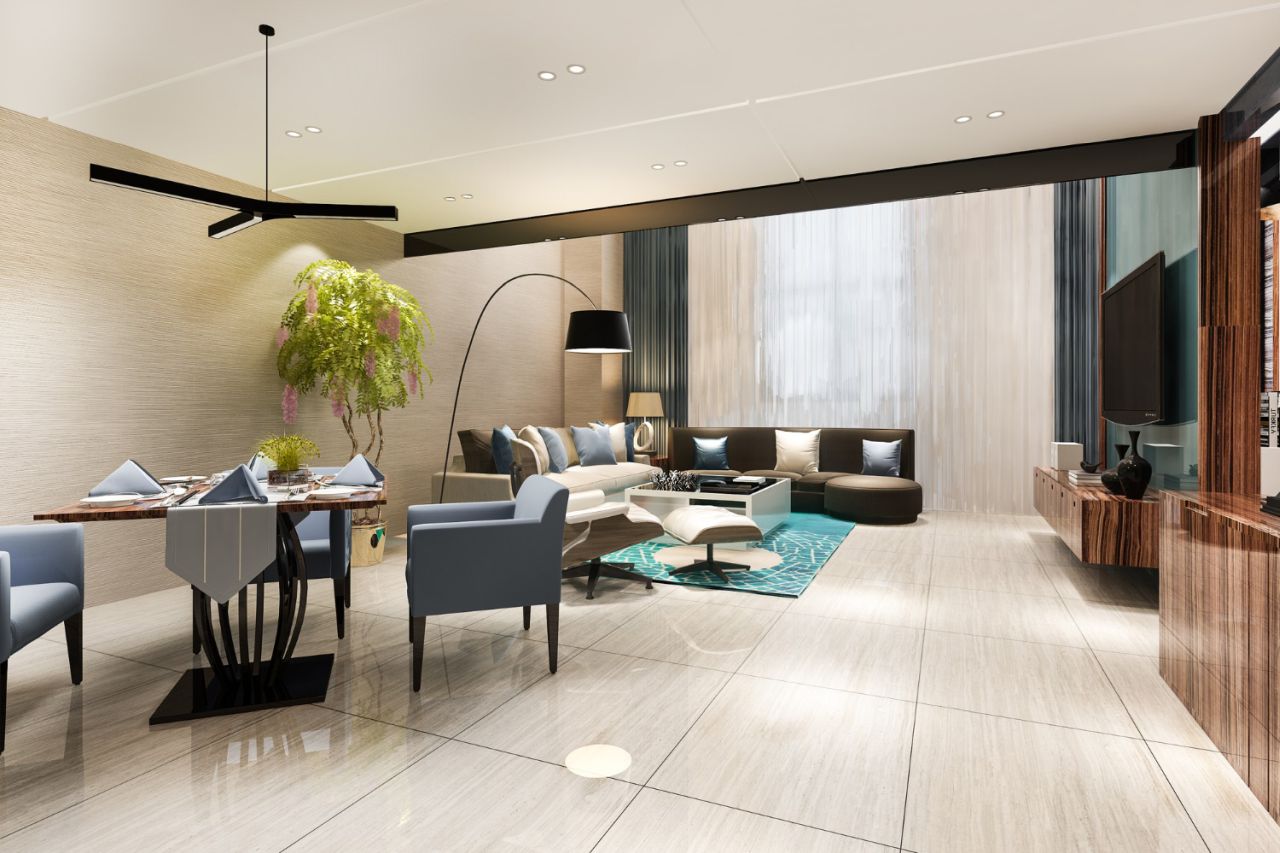
Consider the upholstered sofa, chair, and ottoman inside the living room.
Decorate your home with rugs, curtains, and decorative pillows that exude an air of opulence.
Stay away from any kind of overkill. In all circumstances, keep their understated sophistication. The real difficulty comes from sticking to one colour scheme throughout.
Soft furnishings should have a plush, dark colour scheme that is consistent throughout the house.
Lighting
Simply by installing better lighting, any house can be made to look like a mansion.
Expert interior designers use a technique called layer brightness to give their customers exactly what they want.
That requires a large, bright overhead light source supplemented by several smaller lamps. Aside from flowers and art, candles are a great way to spruce up your home.
The Expansion
It will require considerable changes to be made to your home, yet it has the possibility to be the opulent living space that you have always fantasised about having.
For example, expanding the footprint of a kitchen or living room is a good way to introduce a great deal of natural daylight into the interior of the home.
But it should go without telling that you ought to never try to add luxury to your home without first soliciting the advice of several different architects.
They are in the best position possible to design an addition that will work flawlessly, whether it is a pool house or even a luxury basement conversions.
Furniture
The pieces of furniture you decide to fill your home with will significantly impact the ambience you create there.
When it comes about furniture, it is imperative to make a financial investment in items of an excellent quality. This is definitely necessary.
Again, make sure to choose dark colours that go well with the colour scheme you've decided to go with.
When it involves buying huge, heavy items such as sofas, we often go for colours that are lighter in tone.
Afterwards, when, you can drape them in a different shade from of the palette, such as a luxurious blanket in a cocoa colour, for example.
Flooring
In the end, it's the flooring that sets one house apart from another.
The addition of dark woods creates a classic, opulent atmosphere.
Parquet flooring is one of the most striking types of flooring available. Investing in high-quality wood flooring is a choice that will pay dividends in the long run.
Select fluffy, high-pile carpets for the bedrooms. When it's just right, it almost makes you want to melt into them.
If you follow the instructions, you'll soon be the proud owner of a mansion fit for a king.
Don't forget that it's the little things that matter the most.
Focus on these first, and everything else will come together more naturally.
Internal Wall Removal
Rearranging the layout to make better use of the house's square footage is one way to give a tired old house a fresh lease on life.
Before making any changes to your floor plan, consider the things you dislike about it and how you want to use the room on a daily basis.
To what extent, for instance, do you prefer a home with a spacious kitchen and dining area open to one another, or a home with a different laundry room?
Most importantly, you should think to see if the wall serves any structural function, determining whether you'll require permission from the Building Control, and whether or not partition contains any utilities such as water, gasoline, or electric," explains first From Gentleman Architect.
Whether or whether a wall serves a structural purpose is the primary factor to think about before demolishing it.
"structurally, even hollow-sounding studs walls can have a structural role," so it's best to consult a structural expert or architect before knocking down any walls.
Depending on the scope of your project as well as the extent to which you want to alter the existing layout of your home, the duration of the renovation process could range between a few weeks to several months.
Conversion Of Lofts
A lot of people think it would be nice to have a bedroom or hobby space up in the attic, where they can get plenty of natural light.
The first thing to do is assess how simple the task will be, which will be different depending on the size and layout of the area.
For this job to be completed properly, you'll need a clearance of at least 2.2 meters from the top of a ceiling joist to a bottom of a ridge beam.
If there isn't enough headroom for the conversion, it's still possible to perform it by lowering the ceiling below, although doing so would be more expensive.
You may need to reinforce the floor joists if you plan to sleep in your loft, even as load capacity of the floor was likely primarily designed to provide storage space.
If you want to increase the usable space above your garage, a dormer expansion is another option to think about.
Many things can be done even without formally requesting permission from the relevant authorities.
To give just one example, homeowners of detached or semi-detached properties can apply for and get approved construction allowance that allow them to construct a loft extension of up to 50 square metres in volume.
Converting Garages
A garage that has been renovated to include a sofa bed might serve as a guest room while company is in town. An good application for a garage is as an extra room in the house or as a well-equipped home office.
It shouldn't be too difficult to knock down the wall separating your garage and house and turn the two into one massive room if they are connected in any way.
Between fourteen and seventeen square metres, the average single-car garage provides more than enough space for a cosy or playroom for kids.
A double garage, in contrast hand, gives you about 30 sq m of room, giving you more options.
In the first place, you must check the walls' structural integrity and water tightness.
Next, a water-resistant membrane will have to be applied to the floor in the right places to smooth it out and make it waterproof.
To get the building up to code, it may be necessary to rebuild the insulation. See our list of available builder services melbourne to help you make an informed decision for your treatment.
Normally, you won't need to get planning approval to convert an attached garage into liveable space because most of the work will be done inside the garage.
On the contrary hand, you may need approval before making any changes to the exterior of the building.
Conversion Of A Basement
In highly populated places, where land is expensive and rare, extending a home downward into the earth may be the most cost-effective solution for those who need more room to live.
From both an architectural and aesthetic standpoint, it is crucial to build a room that is entirely integrated with the house as a whole.
If you want to get the most out of your money and construct a beautiful basement that fits all of your needs, hiring an architect may be the best option.
First, your architect or building contractor will conduct a soil evaluation to determine the depth of the water table and the likelihood of flooding.
The next phase (often the demolition of the house's first floor) is typically performed so that the construction crew may dig deeper and remove the soil. After that, concrete pillars are set up to reinforce the house's already sturdy walls.
Waterproofing will be a top priority throughout construction since you must prevent water from penetrating the building envelope.
A cavity sewage system is the go-to solution. Six to eight months is a reasonable time frame for the duration of the construction procedure.
When building permits were more lax, basements were permitted. Nonetheless, many municipalities have instituted stricter guidelines in an effort to halt the development of enormous basements known as icebergs.
Any changes to a exterior of the house, including the installation of light wells, require permission from the local planning authority.
Extension Of A Single Story
If you need extra room but don't want to uproot your family, a single-story extension may be the answer.
The most fundamental choice is to extend either as the rear or the side of your current structure to make way for a kitchen-dining room expansion or a vast additional living area.
However, L-shaped or wraparound expansions may also be viable solutions provided you have sufficient space and financial resources.
Don't rush into finalising the plan before you've given some thought to what you hope the extra room will accomplish. It is not cost-effective to add 30 sq m to a ground-floor area if that area becomes unnecessary as a consequence of the project.
If your plans for the house don't drastically alter its appearance, you may not need to seek out planning approval for many of the alterations you have in mind.
For instance, given that the plans meet the requirements, permitted development allows for a six-meter depth addition to an attached home and an eight-meter depth addition to a detached property.
Extension To The Second Floor
Adding a two-story extension is a great option if you want to increase the amount of usable space in your home.
For instance, if your family requires a lot of space, you could meet that need with a large kitchen-dining area on the ground floor and an extra bedroom or bathroom on the first story.
If you want your home addition to look well and fit in well with the rest of your properties and your current house's design, you should talk to an architect.
While compared to the layout of the a single-story addition, there are usually more factors to think about when designing a two-story one.
For instance, the roof form of the building may add yet another level of complexity.
You'll also need to think about how to bring light into to the area so that it can be seen clearly.
Who can build two-story extensions without a building permit, according to the approved development criteria?
However, if you're looking to make a bold design statement, you may feel constrained by PD's guidelines.
This is due to the fact that you will need to work with materials and designs that complement the original home if you want to add on.
It could be challenging to produce a striking visual statement if you wanted to achieve this.
A minimum of 6 months is recommended to complete the construction of the a two-story expansion.
If you want to build two stories on top of a single-story addition, the cost will be double what it would be for a regular addition, assuming that all floors will have the same footprint. It is generally accepted that this is the rule to follow.
Permission For Planning
Let's say you've determined that approved development allows you to finish your project.
If the proposed work does not impact the exterior of the property, then you may not need to submit a formal application for planning approval.
This holds truer still if the home is to be restored to its former form. All the same, you have a responsibility to follow the rules for buildings throughout your entire time in business.
Improves Structure And Function
Having good architecture does not transform a building into a work of art.
In this way, the form and the performance are both enhanced. Making efficient use of space is paramount in architecture, as is ensuring that no part of a structure is in the way of another part's performance of its role.
A home's layout is planned around the routines of its residents, while the materials it's made from are chosen for their specific qualities.
Also, the house's intended purpose should inform the selection of these materials and the ways in which they are used.
Buildings that make the most of these factors tend to last longer and serve their inhabitants better, and this is exactly what architects aim for.
Complies With The Law And The Local Code
Any competent architect valued her salt will see to it that your home is built to code. They will see to it that the entire certification and building permit process proceeds well.
As a result, you can rest assured that your home will meet all of the criteria, do all of the required actions, and adhere to all local regulations. If you're looking for a high-quality, affordable builder in Melbourne, you're in the right place!
Check MJS Construction Group!
It's not just an assurance that construction will go smoothly. Furthermore, it provides you and any prospective purchaser with the certainty necessary to sustain enjoyment throughout the coming years.
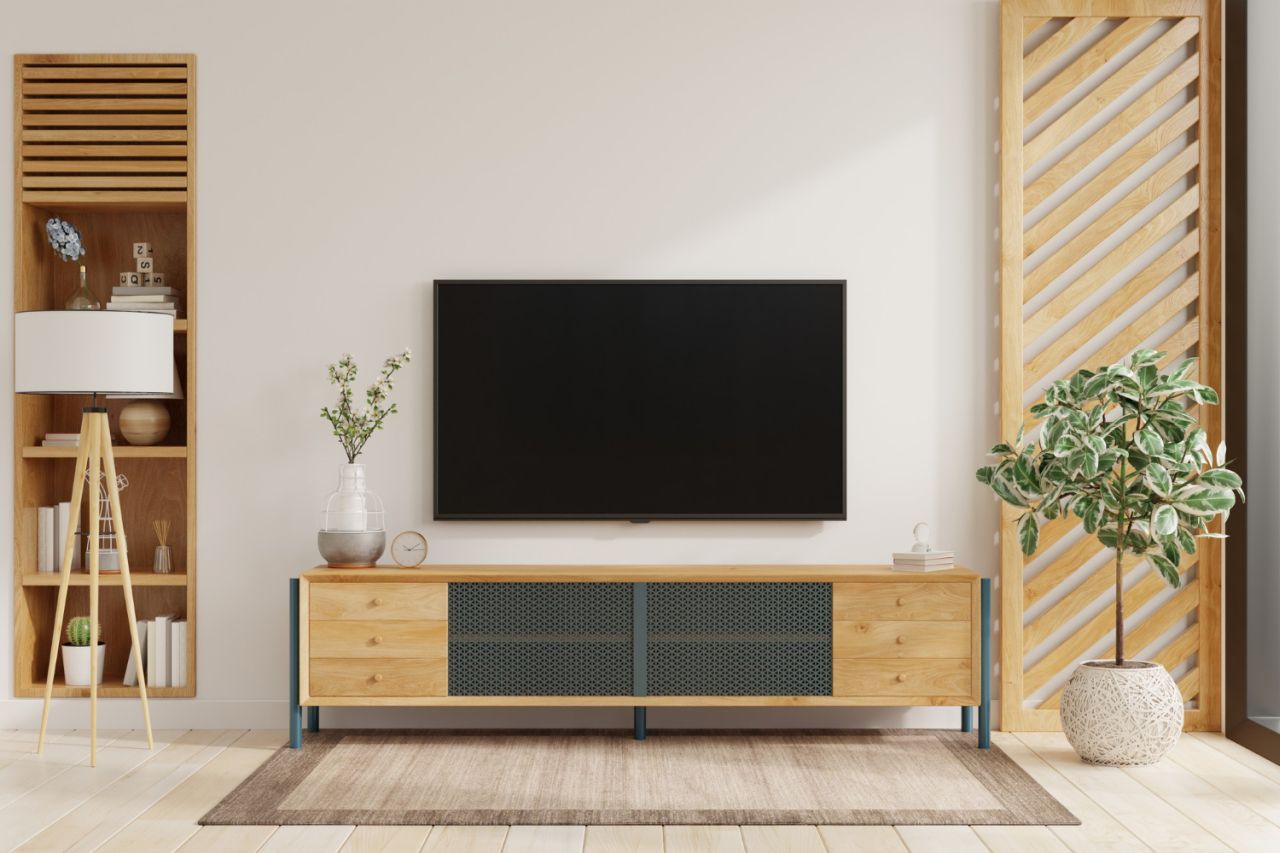
We are curious to hear about your experience with a house this size. In some cases, it might be a life-changing event. A large house may seem like the perfect solution to your problems, but it may quickly become a source of stress if you don't know how to manage its size.
By the time you're done reading this, we hope you'll have a better idea of what to expect if you ever find yourself in the fortunate position of residing in a palatial estate.
FAQs About Luxurious House
There isn't any hope for some aspects of your home (chartreuse shag carpet, anyone?). So if older elements hold your design back, update them with modern replacements. The key is to blend the old with the new to create a timeless aesthetic that lasts for years to come.
Like most design terms, "luxury" is hard to define. However, most luxury spaces have a few common elements that unite them. Luxury homes focus on comfort, elegance, and custom touches to embody the highest pedigree of interior design. You know it when you see it.
The overall design should be well-executed without losing authenticity — and should reflect the user's personal needs and taste, improve their quality of life and the experience of their interior environment.
A luxury living room may feature a selection of rich textures and a particular set of materials and finishes, which are less common than others. As far as style is concerned, it's usually very easy to distinguish a luxury living room decor from a more modest and common one.
Home upgrades come in different shapes and sizes. Converting an extra bedroom into a home office may be just as satisfying as installing motion sensor lights, but neither one adds significant value to your home. If you want to add real resale value to your home, don't waste your money doing these.
Conclusion
In what ways can you spruce up your abode? We anticipate that you will begin incorporating some of these strategies into your own home. Fixtures that add light to your home are an essential part of any renovation. The addition of a few well-placed pendant lights can completely transform the look of a space. It is possible to add the appearance of crown moulding and built-in shelving to your home or apartment by using faux wood and tile.
You may also upgrade the look by changing the handles on your doors and drawers. Particulars often make a difference, so pay attention to them. Take into account the upholstered furniture that already resides in the living room, specifically the sofa, chair, and ottoman. Luxurious-looking rugs, drapes, and accent cushions. One option to let in more light is to increase the size of a room's window openings, such as in a kitchen or living room.
As has been mentioned before, the devil is in the details. Doorknobs and sink faucets are examples of such unassuming elements. Getting high-quality wood flooring is a worthwhile investment. Taking down interior walls is one option for revitalising an outdated home. Many individuals fantasise about finishing up their attics as extra living space.
A garage can be put to good use as an extra room or a fully functional home office. There is plenty of area for a cosy or playroom for youngsters in the typical one-car garage. You can use the expert advice of a Melbourne-based builder to help you decide on the best course of therapy. It's vital, from an architectural and aesthetic sense, to construct a space that flows seamlessly into the rest of the house. Getting the most value out of your budget may necessitate the services of an architect.
Add a second story to your home if you want to make more of the space you already have there. Given adequate room and finances, L-shaped or wraparound additions could also work. The expansion's construction should take at least six months to finish. The price of a two-story addition to a single-story home will be twice as much as the price of a standard expansion. It's possible you won't need to file an official application for planning approval if the intended work won't change the property's exterior.
Content Summary
- We're particularly fond of luxury homes on the beach that push the envelope of excess.
- A few of the suggestions and ideas are filed away in our heads, and we may use them in our own homes.
- Over the years, we have devoted considerable effort to keeping abreast of developments in the fields of architecture and interior design.
- If you want to live a luxurious lifestyle, start implementing the suggestions here into your own home.
- One easy way to make your windows look nicer is to hang your curtains so that they are short enough to touch the ceiling and long enough to reach the floor.
- This is because having shorter curtains will emphasise the modest size of your windows and/or ceilings.
- Also, lengthier window treatments are more aesthetically pleasing and sophisticated than shorter ones.
- Spending a large amount of money on wall art is not required, but leaving blank walls is not an option.
- For a small investment in art prints and frames, you may give your home a sophisticated appearance reminiscent of that found in expensive models.
- You may achieve the same effect as if you had hung a few carefully selected works of art on the wall.
- You can also use canvas prints of family photos in place of real artwork.
- Regular nightstands, side tables, and light fixtures, on the other hand, may look boring and unimaginative.
- If you like, you can choose a variety of pendant lights but then scatter them over the space.
- Pendant lights, which come in an almost infinite variety of styles, instantly elevate the look of any room.
- Take the most recent instance of a beautiful, high-priced property you saw that was utterly overrun with clutter.
- Donate or discard goods you no longer need; clean and arrange anything that will be on display; and strategically place containers to conceal the clutter you haven't yet sorted.
- Simply clearing up clutter and returning it to its rightful spot may have a dramatic effect on how your home appears.
- You can also improve a room's appeal by replacing the handles on its doors and drawers with something classier.
- Details like these give your home an air of elegance and class.
- Decorate your home with rugs, curtains, and decorative pillows that exude an air of opulence.
- Soft furnishings should have a plush, dark colour scheme that is consistent throughout the house.
- It will require considerable changes to be made to your home, yet it has the possibility to be the opulent living space that you have always fantasised about having.
- But it should go without saying that you ought to never try to add luxury to your home without first soliciting the advice of several different architects.
- The pieces of furniture that you decide to fill your home with will have a significant impact on the ambience that you create there.
- When it comes to furniture, it is imperative to make a financial investment in items of an excellent quality.
- Make sure to choose colours that are dark and that go well with the colour scheme you've decided to go with.
- When it involves buying huge, heavy items such as sofas, we often go for colours that are lighter in tone.
- It elevates the elegance level of your home.
- Flooring In the end, it's the flooring that sets one house apart from another.
- The addition of dark woods creates a classic, opulent atmosphere.
- Investing in high-quality wood flooring is a choice that will pay dividends in the long run.
- Don't forget that it's the little things that matter the most.
- Rearranging the layout to make better use of the house's square footage is one way to give a tired old house a fresh lease on life.
- Before making any changes to your floor plan, consider the things you dislike about it and how you want to use the room on a daily basis.
- Whether or whether a wall serves a structural purpose is the primary factor to think about before demolishing it. "
- Depending on the scope of your project as well as the extent to which you want to alter the existing layout of your home, the duration of the renovation process could range between a few weeks to several months.
- A lot of people think it would be nice to have a bedroom or hobby space up in the attic, where they can get plenty of natural light.
- You may need to reinforce the floor joists if you plan to sleep in your loft, even as the load capacity of the floor was likely primarily designed to provide storage space.
- If you want to increase the usable space above your garage, a dormer expansion is another option to think about.
- A good application for a garage is as an extra room in the house or as a well-equipped home office.
- It shouldn't be too difficult to knock down the wall separating your garage and house and turn the two into one massive room if they are connected in any way.
- Between fourteen and seventeen square metres, the average single-car garage provides more than enough space for a cosy or playroom for kids.
- A double garage, in contrast, gives you about 30 sq m of room, giving you more options.
- To get the building up to code, it may be necessary to rebuild the insulation.
- Normally, you won't need to get planning approval to convert an attached garage into liveable space because most of the work will be done inside the garage.
- On the contrary hand, you may need approval before making any changes to the exterior of the building.
- From both an architectural and aesthetic standpoint, it is crucial to build a room that is entirely integrated with the house as a whole.
- If you want to get the most out of your money and construct a beautiful basement that fits all of your needs, hiring an architect may be the best option.
- A cavity sewage system is the go-to solution.
- Any changes to the exterior of the house, including the installation of light wells, require permission from the local planning authority.
- If you need extra room but don't want to uproot your family, a single-story extension may be the answer.
- The most fundamental choice is to extend either the rear or the side of your current structure to make way for a kitchen-dining room expansion or a vast additional living area.
- L-shaped or wraparound expansions may also be viable solutions provided you have sufficient space and financial resources.
- If your plans for the house don't drastically alter its appearance, you may not need to seek out planning approval for many of the alterations you have in mind.
- Adding a two-story extension is a great option if you want to increase the amount of usable space in your home.
- For instance, if your family requires a lot of space, you could meet that need with a large kitchen-dining area on the ground floor and an extra bedroom or bathroom on the first story.
- If you want your home addition to look well and fit in well with the rest of your properties and your current house's design, you should talk to an architect.
- While compared to the layout of a single-story addition, there are usually more factors to think about when designing a two-story one.
- This is due to the fact that you will need to work with materials and designs that complement the original home if you want to add on.
- A minimum of 6 months is recommended to complete the construction of the a two-story expansion.
- If you want to build two stories on top of a single-story addition, the cost will be double what it would be for a regular addition, assuming that all floors will have the same footprint.
- It is generally accepted that this is the rule to follow.
- If the proposed work does not impact the exterior of the property, then you may not need to submit a formal application for planning approval.
- This holds truer still if the home is to be restored to its former form.
- All the same, you have a responsibility to follow the rules for buildings throughout your entire time in business.
- Having good architecture does not transform a building into a work of art.
- Making efficient use of space is paramount in architecture, as is ensuring that no part of a structure is in the way of another part's performance of its role.
- A home's layout is planned around the routines of its residents, while the materials it's made from are chosen for their specific qualities.
- Any competent architect valued her salt will see to it that your home is built to code.
- They will see to it that the entire certification and building permit process proceeds well.
- As a result, you can rest assured that your home will meet all of the criteria, do all of the required actions, and adhere to all local regulations.
- It's not just an assurance that construction will go smoothly.
- Furthermore, it provides you and any prospective purchaser with the certainty necessary to sustain enjoyment throughout the coming years.
- A large house may seem like the perfect solution to your problems, but it may quickly become a source of stress if you don't know how to manage its size.



